Error Codes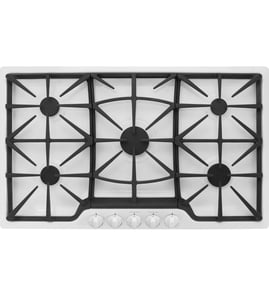

Can I install a gas cooktop myself?
Yes, many homeowners can install a KitchenAid gas cooktop like model KGCT305BBL0 themselves, but the job involves gas connections, leak testing, and electrical grounding. If your local code requires a licensed installer or inspection, follow that requirement before using the cooktop.
What you must do for a safe install
- Shut off gas at the supply valve before disconnecting the old cooktop.
- Use a new flexible gas connector and the correct fittings for your gas type.
- Leak-test every joint with a non-corrosive leak-detection solution (never use a flame).
- Verify the cooktop is properly grounded and the outlet matches the required voltage.
- Confirm the cutout and countertop support are correct for a 30-inch gas glass cooktop.
When we recommend hiring a pro
A professional installation is the better choice if any of these apply:
- You smell gas, see damaged gas piping, or the shutoff valve will not fully close.
- The cooktop needs gas line changes, regulator changes, or fuel conversion.
- You are not comfortable testing for leaks and verifying safe ignition.
- Local rules require a permit, licensed installer, or inspection.
Parts that commonly come up during installation or ignition checks
If burners do not click/ignite correctly after installation, these model-compatible parts are commonly involved:
| Symptom | Common area to check | Example part for KGCT305BBL0 |
|---|---|---|
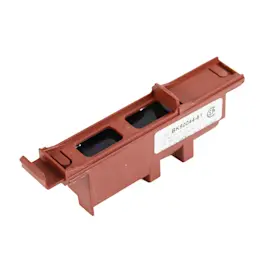
| No clicking on any burner | Ignition power/control | Spark module WP4454392 |
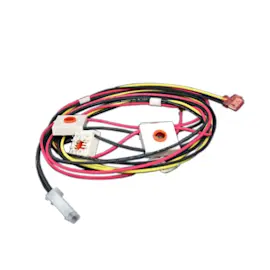
| Clicking continues after knob is off | Switch stuck or wet | Range surface burner igniter switch WP3185830 |
| Knob fit is loose or misaligned | Knob or grommet | Cooktop burner control knob WP3182567 |
Why it matters
A gas cooktop installation is less about “bolting it in” and more about preventing leaks and ensuring reliable ignition. A small leak or poor grounding can create unsafe operation and repeated ignition problems.
Last updated: January 2026
How do you measure for a gas cooktop replacement?
To measure for a replacement gas cooktop for KitchenAid model KGCT305BBL0, we measure the countertop cutout (width and depth), the clearance to the back wall and front edge, and the cabinet depth below; these numbers determine what cooktop will physically fit and vent safely.
What to measure (in order)
- Cutout width: left to right opening in the countertop.
- Cutout depth: front to back opening in the countertop.
- Back clearance: distance from the back edge of the cutout to the backsplash or wall.
- Front clearance: distance from the front edge of the cutout to the front edge of the countertop.
- Cabinet depth and obstructions: check for drawers, braces, or a junction box below the cutout.
- Gas line and shutoff location: note where the supply line enters the cabinet.
Quick fit checklist
Use this checklist before ordering a new 30-inch gas cooktop:
- The new cooktop’s required cutout size range matches your measured cutout.
- Required minimum clearances to combustibles match your countertop and wall setup.
- The gas connection can reach without stretching or kinking the flexible connector.
- The electrical outlet (for ignition) is accessible.
- The cooktop’s mounting brackets can clamp to your countertop thickness.
Measurement notes that prevent common mistakes
| What you’re checking | Why it matters | Common mistake |
|---|---|---|
| Cutout width and depth | Determines basic fit | Measuring the cooktop glass, not the cutout |
| Back and front clearance | Prevents heat damage and interference | Ignoring a raised backsplash lip |
| Space below the cutout | Avoids hitting drawers or rails | Forgetting to check cabinet bracing |
Why it matters
Cooktops that are both labeled “30-inch” can require different cutout dimensions and clearances. Accurate measurements help avoid gaps, countertop rework, and gas line or ignition wiring issues.
If you’re also troubleshooting ignition while planning a replacement, a failed ignition system part such as the spark module WP4454392 can cause clicking or no-spark symptoms on KGCT305BBL0.
Last updated: January 2026
Are all cooktop cutouts the same?
No. Cooktop cutouts are not all the same, even when the cooktops are the same nominal size (like 30-inch). For the KitchenAid KGCT305BBL0 30-inch gas glass cooktop, you must match the cabinet cutout to the model’s installation requirements, not just the cooktop width.
What changes from cooktop to cooktop
Cutout requirements vary because manufacturers change the chassis shape, burner layout, and how the cooktop mounts and vents.
Common differences include:
- Cutout width and depth (often close, but not identical)
- Corner radius (square vs rounded corners)
- Required clearance to the back wall, side walls, and overhead cabinets
- Mounting method (brackets, clamps, or underside supports)
- Gas and electrical routing space under the cooktop
Quick sizing reality check (typical ranges)
Most 30-inch gas cooktops fit a cutout that is slightly smaller than the appliance’s overall width, but the exact numbers vary by model.
| Item | What it means | Typical for 30-inch cooktops |
|---|---|---|
| Overall cooktop width | Visible top size | About 30 inches |
| Cutout width | Hole in the countertop | Often about 28 to 29 inches |
| Cutout depth | Front-to-back hole size | Often about 19 to 21 inches |
| Clearance | Space around the cutout | Varies by brand and design |
How we recommend confirming the right cutout for KGCT305BBL0
Use the cooktop’s installation specs (not the old cutout) before you order countertops or start cutting.
- Measure the existing cutout width and depth in at least 3 spots
- Check for corner radius (a common reason a “same size” cooktop will not drop in)
- Verify there is room below for the gas regulator and manifold
- Confirm you have the correct electrical supply for the igniter system
- If the cooktop is being replaced due to ignition issues, confirm the problem is not a failed ignition component such as the spark module WP4454392
Why it matters
A cutout that is even slightly off can prevent the cooktop from seating flat, leave gaps at the edges, or force unsafe clearances around gas and electrical components. Matching the cutout to the KGCT305BBL0 requirements avoids rework and helps the cooktop mount securely.
Last updated: January 2026
How to unlock kitchenaid stove top control lock?
The KitchenAid KGCT305BBL0 gas cooktop uses burner knobs (not a touch control panel), so it does not unlock with a “Control Lock” button. If the cooktop seems “locked,” the fix is usually making sure every knob is fully in OFF and then resetting power at the breaker.
What to do first (most common “locked” causes)
- Turn every burner knob firmly to OFF (push in slightly while turning if the knob design requires it).
- Wait 10 seconds, then try lighting one burner again.
- If igniters are clicking continuously, dry the cooktop surface and around the knobs (moisture can trigger the switches).
- Reset power: switch the cooktop circuit breaker OFF for 1 minute, then ON.
- If a knob feels loose, misaligned, or won’t return to OFF cleanly, inspect the knob and grommet fit.
If it still will not ignite (it is not a lock, it is ignition)
A cooktop that will not spark or keeps sparking is usually an ignition-switch or spark-system issue.
Helpful parts for this model:
Quick symptom guide
| Symptom | Most likely area | What to check next |
|---|---|---|
| No clicking, no spark on any burner | Spark system power/module | Wiring connections, then spark module |
| Clicking continues even with knobs OFF | Igniter switch circuit | Stuck/shorted igniter switch, moisture around switches |
| One burner will not spark but others do | Single switch/igniter path | Knob position, switch for that valve, electrode area |
Why it matters
On KGCT305BBL0, “locked” behavior is almost always the cooktop preventing ignition because a knob is not fully OFF, moisture is activating the igniter switches, or an ignition component is failing. Correcting the cause restores normal lighting and stops nuisance clicking.
Last updated: January 2026