Error Codes


Is a top or bottom mount fridge better?
A “better” fridge depends on how you use it: bottom-mount refrigerators like the GE ZWE23NSTCSS put fresh food at eye level for easier daily access, while top-mount models usually cost less and often use less energy. Choose based on convenience, budget, and freezer access.
Quick comparison
| Feature | Bottom-mount (like ZWE23NSTCSS) | Top-mount |
|---|---|---|
| Fresh food access | Easier (less bending) | More bending |
| Freezer access | Drawer style, lower | Eye level |
| Organization | Typically more bins and drawers | Typically simpler layout |
| Energy use | Often slightly higher | Often slightly lower |
| Price | Often higher | Often lower |
When a bottom-mount is the better choice
- You use the refrigerator section more than the freezer
- You want wide shelves and pull-out drawers for produce and deli items
- You prefer a freezer drawer that keeps frozen foods contained
- You want easier access to everyday items without bending
When a top-mount is the better choice
- You want a simpler layout and lower upfront cost
- You use the freezer frequently and want it at eye level
- You want a design that is often more energy-efficient
Why it matters
Most households open the fresh-food doors far more often than the freezer. A bottom-mount design reduces bending and makes it easier to see and organize groceries, which can help reduce food waste and improve day-to-day convenience.
Related help for GE refrigerators
If your decision is tied to features like door alarms, dispenser access, or filter style, these guides help you compare real-world ownership differences:
- How to reset the door alarm on a GE refrigerator
- How to replace the water filter in a GE refrigerator
Last updated: February 2026
What is the life expectancy of a bottom freezer refrigerator?
A bottom-freezer (bottom-mount) refrigerator like the GE ZWE23NSTCSS typically lasts 10 to 15 years. With steady maintenance and good airflow around the cabinet, many units reach the upper end of that range before cooling performance, ice and water features, or door sealing issues start to show up.
Typical lifespan and what usually fails first
Most “end-of-life” problems are tied to cooling efficiency, air circulation, or sealing.
- 10 to 15 years is the normal service life for a bottom-freezer refrigerator
- Door seal wear can cause warm spots, frost, and longer run times
- Fan and sensor issues can create temperature swings in the fresh food section
- Water filter and dispenser maintenance affects taste, flow, and ice quality
- Heavy use (frequent door openings) shortens life by increasing compressor run time
Maintenance that helps you reach the high end of the range
These steps reduce strain on the compressor and keep temperatures stable.
- Keep door gaskets clean and sealing tightly; replace if torn or warped
- Maintain steady temperatures (avoid frequent setting changes)
- Do not block air vents inside the refrigerator or freezer
- Replace the water filter on schedule to protect the water system
- Fix small issues early (lights, door switch, fan noise) before they cascade
Quick parts that commonly support longevity (for ZWE23NSTCSS)
| Symptom | What it can point to | Example part on this model |
|---|---|---|
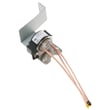
| Temps fluctuate | Sensor or airflow problem | Refrigerator temperature sensor WR55X10025 |
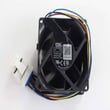
| Warm fresh food section | Fan not moving air | Refrigerator fresh food fan motor assembly WR60X35205 |
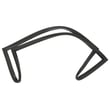
| Door not sealing, frost | Gasket leak | GE refrigerator freezer door gasket WR14X36194 |
| Water tastes off, slow flow | Filter overdue or clogged | GE refrigerator water filter RPWFE |
Why it matters
A refrigerator that is running longer to hold temperature uses more energy and wears key components faster. Simple upkeep, especially sealing and airflow, is often the difference between replacing a fridge at 10 years versus getting closer to 15.
Last updated: February 2026
Is a bottom mounted refrigerator good?
Yes. A bottom-mount refrigerator like the GE ZWE23NSTCSS is a great choice for many kitchens because the fresh-food section sits at eye level, so you reach everyday items with less bending; the freezer stays below for bulk storage.
Why many people prefer bottom-mount designs
- Less bending for daily use: refrigerated foods are easier to see and grab.
- Better organization: wide shelves and door bins make it simpler to group items.
- Freezer capacity is still strong: the lower drawer holds larger frozen items.
- Good for families: frequent snacking and meal prep is more convenient.
- Modern features are common: water filtration, LED lighting, and electronic controls are often included.
Trade-offs to consider
Bottom-mount models are often “better” for convenience, but they are not perfect for every home.
| What you care about | Bottom-mount refrigerator | Top-freezer refrigerator |
|---|---|---|
| Daily access to fresh food | Excellent | Fair |
| Bending for freezer items | More | Less |
| Upfront cost | Typically higher | Typically lower |
| Freezer organization | Drawer-style, good for bulk | Shelf-style, easy visibility |
Tips to get the most from a bottom-mount refrigerator
- Keep the most-used items on the middle shelves to reduce door-open time.
- Make sure doors seal tightly; a worn gasket can cause temperature swings and moisture.
- Replace the water filter on schedule if your unit has a dispenser or ice maker; see GE refrigerator water filter RPWFE.
- If you notice warm fresh-food temps, check airflow and consider a sensor issue; see refrigerator temperature sensor WR55X10025.
- Use the door alarm and reset it if needed; follow how to reset the door alarm on a GE refrigerator.
Why it matters
A bottom-mount layout can help food stay fresher because you open the fresh-food compartment most often. Less searching and shorter door-open time can also reduce temperature fluctuations and energy waste.
Last updated: February 2026
What are the disadvantages of a bottom freezer?
Bottom-freezer refrigerators like the GE ZWE23NSTCSS put fresh food at eye level, but the tradeoffs are higher purchase cost, more bending to reach frozen items, and freezer drawers that can feel “deep” to organize. They can also be more sensitive to door-seal and drain/defrost issues if maintenance is neglected.
Common disadvantages (what owners notice most)
- More bending and lifting: You reach down for frozen foods, and heavy items can be awkward to lift out of a lower drawer.
- Freezer organization can be harder: Deep bins stack items; smaller packages can get buried.
- Often higher upfront cost: Bottom-mount designs typically cost more than basic top-freezer models.
- Freezer access is less convenient: If you use the freezer constantly, the lower position can feel less efficient.
- Door-seal problems show up quickly: A poor seal can cause frost, temperature swings, and longer run times; the freezer gasket is a common wear item.
Practical ways to reduce the downsides
- Use bins or baskets to separate categories (meat, vegetables, snacks) so items do not get lost in the drawer.
- Keep heavier items toward the top of the freezer drawer to reduce strain.
- Check for a tight door seal and clean the gasket regularly; replace it if it is torn or warped.
- If you see water under the refrigerator or ice buildup, address it early to prevent recurring drain/defrost messes.
| Disadvantage | What it can lead to | What to do about it |
|---|---|---|
| Bending to access freezer | Back/knee strain | Store frequent items higher; avoid overloading |
| Deep drawer storage | Lost food, freezer burn | Use bins; label and rotate items |
| Weak door seal | Frost, warm temps, longer run time | Inspect and clean; replace gasket if needed |
Why it matters
These disadvantages usually do not mean something is “wrong” with your refrigerator; they affect daily convenience, energy use, and food quality. For example, a worn gasket can make the compressor run longer and can create frost that reduces usable freezer space.
If you are troubleshooting frost or sealing issues on this model, the GE refrigerator freezer door gasket WR14X36194 is one of the key parts to check.
Last updated: February 2026