View engine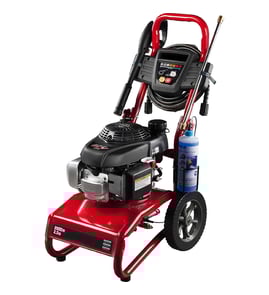




Can you put 87 gas in a pressure washer?
Yes. For the Craftsman CMXGWAS021022 gas pressure washer, regular unleaded gasoline with an 87 octane rating is the standard choice for normal operation. Use fresh fuel and avoid mixing oil into the gas (this is a 4-cycle engine application).
Fuel guidelines we recommend
- Use regular unleaded gasoline (87 octane).
- Use fresh fuel; don’t use old gas that has been sitting for months.
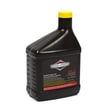
- Do not use a gas-oil mix (2-cycle mix) in this unit.
- Keep the fuel cap area clean so dirt does not fall into the tank.
- If the washer will sit, run it dry or drain the tank to reduce varnish buildup.
When higher octane helps (and when it doesn’t)
Higher octane (88-93) usually won’t increase cleaning power; pressure and flow are driven by the pump and engine speed, not octane. Higher octane can help only if the engine is knocking or pinging under load.
| Fuel choice | Typical result | When to use it |
|---|---|---|
| 87 octane regular unleaded | Normal performance | Everyday use |
| 88-93 octane | Usually no noticeable change | If you hear knocking/pinging |
| Old/stale gas | Hard starting, surging, stalling | Never; replace with fresh fuel |
Why it matters
Using the right fuel helps the engine start easily, run smoothly, and avoid carburetor and fuel-system issues that can look like “low pressure” problems.
Related parts that often get checked during fuel-related issues
If the engine runs rough after fuel problems, we often see customers also inspect spray and chemical delivery components:
- Pressure washer chemical hose 705076 (chemical pickup and siphoning)
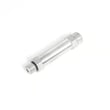
- Nozzle quick-connector 195983VGS (connection leaks that affect spray quality)
- Nozzle 709745 (clogs or wear that change the spray pattern)
Last updated: January 2026
What is a good PSI for a gas pressure washer?
For a Craftsman gas pressure washer like model CMXGWAS021022, a good PSI depends on the surface you’re cleaning: 2,000 to 3,000 PSI handles most home jobs, while 3,000 to 4,000+ PSI is best for heavy-duty concrete and paint prep. Higher PSI needs more care to avoid damage.
Recommended PSI by job
- 1,200 to 2,000 PSI: cars, patio furniture, grills, delicate surfaces
- 2,000 to 3,000 PSI: siding, fences, decks (use the right spray pattern)
- 3,000 to 4,000+ PSI: driveways, masonry, heavy grime, paint prep (use caution)
- Lower PSI is safer: you can always increase power, but you can’t undo etching or splintering
PSI vs GPM (what actually cleans faster)
PSI is “how hard,” and GPM is “how much water.” For real cleaning speed, both matter.
| Rating | What it affects most | What you’ll notice |
|---|---|---|
| PSI | Impact force | Risk of surface damage goes up as PSI rises |
| GPM | Rinsing and flushing | Faster cleaning and quicker rinse-off |
How to choose the right setting on a gas pressure washer
- Start with a wider spray pattern and step up only if needed
- Keep the nozzle moving; don’t dwell on one spot
- Increase distance first (back up), then increase aggressiveness
- Use detergent for oily or organic grime instead of relying on maximum PSI
- If spray seems weak or inconsistent, check for nozzle wear or connection issues (a worn tip can reduce effective pressure)
If you’re troubleshooting poor soap pickup or chemical application, the pressure washer chemical hose 705076 is a common wear item to inspect.
Why it matters
Using the right PSI protects surfaces (wood, vinyl, paint) and helps your Craftsman CMXGWAS021022 clean efficiently without gouging concrete, stripping finish, or forcing water behind siding.
Last updated: January 2026
Why is my gas pressure washer not building pressure?
If your Craftsman CMXGWAS021022 gas pressure washer runs but won’t build pressure, the most common causes are a restricted water supply, a clogged or wrong spray tip, air trapped in the pump, or a leak on the high-pressure side. Start with the nozzle and water inlet checks first because they fix most low-pressure complaints.
Quick checks that fix most “no pressure” problems
- Verify the garden hose is fully on and the spigot is wide open; low inlet flow prevents pressure.
- Remove the spray tip and flush it; swap to a known-good tip if you have one (a worn tip also lowers pressure).
- Purge air: with the engine OFF, squeeze the trigger until water flows smoothly with no sputtering.
- Inspect the wand, gun, and hose connections for drips; even small leaks can kill pressure.
- Confirm the chemical injector is not stuck open; a stuck injector can act like a bypass.
Parts on this model that commonly relate to low pressure
If you find a damaged connector, leaking fitting, or a tip that won’t clean out, these model-listed parts are good starting points:
| Symptom you see | What to inspect | Example part for CMXGWAS021022 |
|---|---|---|
| Weak spray, uneven fan pattern | Spray tip/nozzle | Nozzle 709745 |
| Tip won’t stay seated, leaks at quick connect | Quick connector at nozzle/wand | Nozzle quick-connector 195983VGS |
| Soap draws constantly or won’t draw | Chemical pickup line and fittings | Pressure washer chemical hose 705076 |
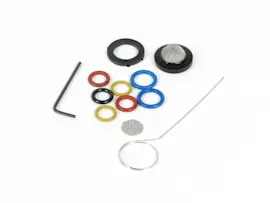
| Pressure pulses (surges) | O-rings and sealing points | Craftsman kit-o-ring 706619 |
Why it matters
A pressure washer builds pressure only when the pump has steady inlet water and the outlet path is sealed and restricted by the correct nozzle. Any extra “escape path” (leak, stuck injector, worn nozzle, bad O-ring) sends water back to bypass and you get low or no pressure.
If pressure is still low after the basics
- Try a different nozzle size/type; an oversized tip can prevent pressure buildup.
- Check the inlet screen/filter (if equipped) and clean it.
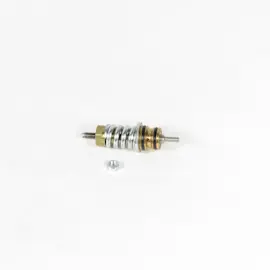
- If the unit has an unloader valve and it is stuck in bypass, pressure will stay low; cleaning or replacement is typically required.
Last updated: January 2026