Owner’s manual
 Error Codes


What is the most common problem with the LG refrigerator?
For the LG LFX25978SB refrigerator, the most common day-to-day problems we see are cooling and temperature complaints caused by airflow restrictions (blocked vents), dirty condenser areas, doors not sealing, or defrost-related moisture and noise that can seem like a failure. The owner's manual also notes that dripping and popping sounds during defrost can be normal.
Most common issues customers report (and what to check first)
- Not cooling or warm temperatures: confirm vents are not blocked by food and the doors close fully.
- Compressor seems to run a long time: hot room temps, frequent door openings, or dirty condenser areas can drive longer run times.
- Ice maker slow or not making ice: door left open, freezer too warm, water supply issue, or blocked air vents.
- Too much noise: dripping or running-water sounds during defrost are often normal; vibration can mean the refrigerator is not level.
- Bad taste or smell in ice: old ice, odors in the freezer, or a filter that needs replacement.
Quick troubleshooting steps for LFX25978SB
- Set temps to typical targets: 37°F fresh food and 0°F freezer.
- Make sure packages are not preventing doors from closing; re-seat bins and shelves.
- Level the cabinet if you feel vibration or hear rattling.
- If ice tastes or smells off, dump the bin and replace the water filter.
- If water dispensing is weak or ice production is slow, check for a restricted filter or a water supply problem.
Parts that commonly solve the “most common” complaints
| Symptom | Common cause | Part to consider |
|---|---|---|
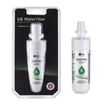
| Bad-tasting ice or slow water flow | Clogged water filter | LG kenmore refrigerator water filter ADQ36006101 |
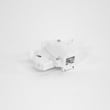
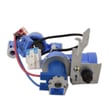
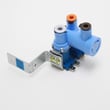
| No water to dispenser/ice maker | Valve not opening fully | LG refrigerator water inlet valve AJU72992601 |
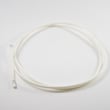
| Door alarm/light issues | Door switch not actuating | Refrigerator door switch 6600JB1010A |
Why it matters
Temperature swings and doors not sealing can lead to spoiled food, frost buildup, and longer compressor run times. Addressing airflow, leveling, and filtration early prevents repeat problems.
Last updated: February 2026
What size is LFX25978SB?
The LG LFX25978SB is a full-size, 36-inch class bottom-mount (French door) refrigerator. For the exact cabinet width, height, depth, and required installation clearances for your specific LFX25978SB configuration, use the dimensions section in the owner's manual.
What “size” usually means for this model
When customers ask for the “size” of an LG refrigerator, it typically refers to one or more of these:
- Overall width (commonly 36-inch class for this series)
- Overall height (floor to top of case or hinge cover)
- Overall depth (case only vs. with handles)
- Capacity (cubic feet)
- Installation clearances (space around the cabinet for doors and airflow)
Typical measurements to plan around (before you confirm exact specs)
Most 36-inch class French door, bottom-mount refrigerators are planned using these common ranges:
- Width: about 35 3/4 in. to 36 in.
- Height: about 68 in. to 71 in.
- Depth: about 33 in. to 36 in. (often deeper with handles)
- Clearance: extra space at sides, top, and back for ventilation and door swing
Quick planning table
Use this as a planning guide, then confirm the exact numbers in the manual.
| Measurement | What to measure | Why it matters |
|---|---|---|
| Width | Left to right at the widest point | Fit through the opening/cabinet cutout |
| Height | Floor to top (include hinge cover if present) | Fit under cabinets/soffits |
| Depth | Front to back (note “with handles”) | Door clearance and walkway space |
| Clearance | Space around cabinet | Proper airflow and full door swing |
Why it matters
Correct sizing prevents delivery surprises (won’t fit through a doorway) and performance issues (tight installs can restrict airflow). It also helps avoid door alignment and sealing problems after installation.
Last updated: February 2026
Why does my LG freezer keep icing up at the bottom?
Ice building up on the bottom of the freezer in your LG LFX25978SB is usually caused by defrost water not draining correctly, so it refreezes on the freezer floor. The most common fix is clearing the defrost drain path and making sure the doors seal tightly.
What to check first (fast, high-impact)
- Make sure the freezer drawer closes fully; a slightly open drawer pulls in humid air that turns into frost and ice.
- Inspect and clean the door gaskets; the manual notes dirty or sticky gaskets can cause door-closing issues and moisture problems.
- Look for a blocked defrost drain; a clog can force meltwater to overflow and freeze at the bottom.
- Confirm temperature settings; most freezers run best around 0°F.
- Check for food packages blocking air vents; restricted airflow can increase frost and uneven cooling.
How to clear a likely clogged defrost drain
- Unplug the refrigerator.
- Remove the freezer drawer/bins to access the bottom area.
- Melt and remove the ice (use towels; avoid sharp tools that can puncture liners).
- Locate the drain opening and flush with hot water until it flows freely.
- Reassemble and monitor for 24 to 48 hours.
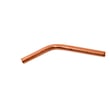
If the drain tube is damaged, kinked, or won’t stay clear, replacing it is a solid next step: refrigerator drain tube 5251JA3003D.
Quick symptom-to-cause guide
| What you notice | Most likely cause | What to do |
|---|---|---|
| Ice sheet on freezer floor | Defrost drain clogged | Clear/flush drain; check drain tube |
| Frost around drawer edges | Drawer not sealing, gasket dirty | Clean gasket and mating surface; confirm closure |
| Water then ice after humid days | High humidity, frequent openings | Reduce door openings; verify temps |
Why it matters
Bottom-freezer icing can block the drawer, reduce airflow, and lead to warmer freezer temps. Fixing the drain and seal issues helps the defrost system move water to the drain pan where it can evaporate normally.
Model-specific reference
For control settings, freezer section layout, and troubleshooting guidance for the LFX25978SB, use the owner's manual.
Last updated: February 2026
Why is my LG refrigerator leaking from the bottom?
A bottom leak on your LG LFX25978SB refrigerator is typically caused by a clogged or frozen defrost drain (defrost water backs up), or a leak in the water supply system for the ice maker and dispenser (filter, tubing, or inlet valve). Use the checks below to pinpoint the source.
Quick checks to find the source
- Look at the water: clear water usually points to the filter, tubing, or inlet valve; water that shows up after defrost often points to the drain.
- Check the filter area: reseat the filter and watch for drips at the filter head.
- Inspect the back lower area: look for wet tubing connections and the inlet valve.
- Check inside for drain backup: water pooling under crisper drawers or ice on the freezer floor.
- Confirm the doors close well: warm, humid air increases condensation and can mimic a leak.
Step-by-step troubleshooting
- Rule out a filter leak: reinstall the filter fully, then dispense water for a few minutes and recheck for drips. Use the owner's manual for the correct filter install and purge steps.
- Check the water line and valve: pull the unit forward and inspect for seepage at fittings and the valve.
- Check the defrost drain: clear ice or debris at the drain opening so water can flow to the drain pan.
Parts that commonly fix bottom leaks
| What you see | Most likely cause | Part to check/replace |
|---|---|---|
| Drip at filter housing | Filter not seated or leaking | Refrigerator water filter ADQ36006101 |
| Water under unit near back | Inlet valve or connection leak | Refrigerator water inlet valve AJU72992601 |
| Water trails from drain outlet | Drain tube issue | Refrigerator drain tube 5251JA3003D |
Why it matters
Bottom leaks can damage flooring and create ice buildup that restricts airflow, which leads to warmer temperatures and longer run times.
Last updated: February 2026