Error Codes



What is the average lifespan of an electric water heater?
A typical tank-style electric water heater like the Reliance 630DOLS lasts 10 to 15 years. With hard water, heavy use, or skipped maintenance, lifespan is often closer to 8 to 12 years; with regular care, many units reach the upper end of the range.
Typical lifespan ranges
Most homeowners see these timeframes for electric water heaters:
- Tank electric water heater: 10 to 15 years
- Shorter lifespan conditions: hard water, high demand, high temperature setting
- Longer lifespan conditions: periodic flushing, anode rod maintenance, stable water pressure
| Water heater type | Typical lifespan | What usually ends it |
|---|---|---|
| Electric tank (most common) | 10 to 15 years | Tank corrosion, element failure, thermostat issues |
| Electric tank under hard-water stress | 8 to 12 years | Sediment buildup, overheating, premature tank wear |
What maintenance extends life the most
These actions reduce sediment, overheating, and corrosion (the biggest life-shorteners):
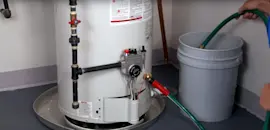
- Flush sediment from the tank periodically (especially with hard water)
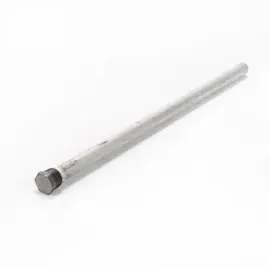
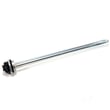
- Check and replace the anode rod on schedule
- Keep the temperature set to a safe, reasonable level (many homes use about 120°F)
- Watch for early warning signs: rumbling, rusty water, slow recovery, or water around the base
- Replace failed controls promptly to prevent overheating and extra tank stress
For step-by-step help, use our guide: how to replace an electric water heater anode rod.
Parts that commonly affect performance (and perceived “end of life”)
A water heater can feel “worn out” when a service part fails. For the Reliance 630DOLS, common service parts include:
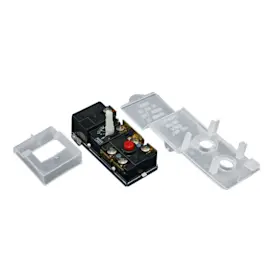
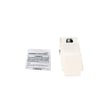
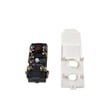
- Upper temperature control: thermostat 100108683
- Lower temperature control: thermostat 100108421
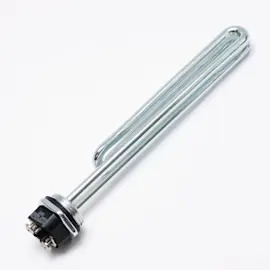
- Heating component: element 100108283
Why it matters
Once a tank begins to corrode internally, it can progress quickly from minor symptoms (noise, inconsistent hot water) to leaks. Staying ahead of sediment and corrosion is the most reliable way to get the full 10 to 15 years from an electric tank water heater.
Last updated: February 2026
What is the downside of an electric water heater?
The main downsides of an electric water heater like the Reliance 630DOLS are slower hot-water recovery than many gas models, higher operating cost in some areas, and no hot water during a power outage. Tank-style units also have a limited hot-water supply that can run out during heavy use.
Common downsides (what you may notice at home)
- Slower recovery: after long showers or laundry, it can take longer to reheat the tank.
- Power-outage impact: when electricity is off, the heater cannot make hot water.
- Operating cost: electricity rates can make monthly cost higher than gas in many regions.
- Limited capacity: once the tank is depleted, you wait for reheating.
- Electrical requirements: some upgrades or repairs require safe handling of 240V wiring.
Quick comparison: electric vs gas (typical)
| Feature | Electric tank water heater | Gas tank water heater |
|---|---|---|
| Recovery speed | Slower | Faster |
| Works in power outage | No | Often yes (varies by ignition type) |
| Installation complexity | Often simpler (no venting) | Often more complex (venting, combustion air) |
| Operating cost | Depends on electric rate | Depends on gas rate |
When the “downside” is actually a repair issue
If your electric water heater suddenly feels much worse than it used to, it is often a failed heating or control part rather than a normal electric-water-heater limitation.
Check these common culprits:
- Heating element: mineral buildup or burnout can reduce heating.
- Upper or lower thermostat: can cause lukewarm water, temperature swings, or no hot water.
- Sediment in the tank: reduces efficiency and usable hot water.
Parts that commonly relate to these symptoms for model 630DOLS include the element 100108283, thermostat 100108683, and thermostat 100108421.
Why it matters
Knowing the normal tradeoffs helps you decide whether you are seeing expected performance (recovery time and capacity limits) or a fixable problem (element, thermostat, or sediment) that can restore hot-water performance.
Last updated: February 2026
What is the highest rated electric water heater?
The highest rated electric water heater is the one that best matches your home’s hot-water demand, energy goals, and installation limits. In most ratings and owner satisfaction comparisons, heat pump (hybrid) electric water heaters score highest for efficiency, while standard tank electrics score well for lower upfront cost and simpler replacement.
How we recommend choosing “highest rated”
Use these factors first; they are what most rating systems and reviews reward.
- Efficiency (operating cost): Heat pump (hybrid) models typically rate highest.
- Recovery rate (how fast it reheats): Standard electric tanks can recover faster than hybrids in some setups.
- Capacity and first-hour rating: Right-sizing prevents running out of hot water.
- Noise and location: Hybrids have a fan and need airflow; they fit best in garages or utility rooms.
- Durability and maintenance: Anode rod condition and water quality drive tank life.
Quick comparison: top “types” of electric water heaters
| Type | What it’s best at | Typical tradeoff |
|---|---|---|
| Heat pump (hybrid) tank | Highest efficiency ratings | Higher upfront cost; needs space and airflow |
| Standard electric tank | Simple replacement; broad compatibility | Higher operating cost than hybrid |
| Electric tankless | Endless hot water (when sized correctly) | Often needs major electrical upgrades |
What this means for your Reliance 630DOLS
If you already own a Reliance 630DOLS, “highest rated” usually translates to keeping performance strong with the right repairs and maintenance. For common electric-water-heater symptoms (no hot water, fluctuating temps), the most frequent fixes involve the thermostats and heating element.
- If water is lukewarm or runs out fast, check the lower thermostat and element.
- If water is inconsistent, check thermostat calibration and wiring connections.
- If you have no hot water, verify power at the breaker and test the upper controls first.
Helpful model-matched parts we stock include the thermostat 100108683 (upper), thermostat 100108421 (lower), and element 100108283.
Why it matters
Choosing the “highest rated” unit without matching your household demand can still lead to cold showers, high bills, or premature wear. Right-sizing and keeping thermostats and elements healthy is what delivers the best real-world results.
Last updated: February 2026
What is the most common problem with water heaters?
The most common problem we see with water heaters (including the Reliance 630DOLS) is sediment and mineral buildup in the tank, which reduces heating efficiency and can cause rumbling or popping noises. Leaks and failed heating controls (thermostats or elements) are also very common.
Most common issues and what they look like
- Sediment buildup: noisy operation, slower recovery, higher electric bills
- No hot water: tripped breaker, failed heating element, or failed thermostat
- Not enough hot water: one element not heating, thermostat set too low, heavy demand
- Fluctuating temperatures: thermostat problems, loose wiring, or one element cutting out
- Water leaking: loose fittings, leaking drain valve, or tank corrosion
Quick checks you can do first (electric models)
- Check the breaker for the water heater circuit.
- Listen for rumbling/popping (often points to sediment).
- Look for moisture around the base, access panels, and plumbing connections.
- Check temperature consistency at multiple faucets (helps confirm a heater issue vs. a single fixture issue).
Parts that commonly fix “no hot water” or temperature problems
On the Reliance 630DOLS, these are common replacement parts when heating performance is poor:
| Symptom | Common cause | Part to consider |
|---|---|---|
| No hot water | Upper control not switching power correctly | Thermostat 100108683 |
| Lukewarm water | Lower heating circuit not maintaining temp | Thermostat 100108421 |
| Slow recovery | Heating element not heating fully | Element 100108283 |
Why it matters
Sediment buildup makes the heater work harder and can shorten the life of the heating element and thermostats. Catching leaks early also helps prevent water damage and avoids a small seep turning into a bigger failure.
Helpful DIY guidance
For step-by-step troubleshooting and repair planning, we recommend starting with water heater common questions.
Last updated: February 2026
How long can you shower with a 6 gallon water heater?
A 6-gallon tank typically supports about 3 to 10 minutes of comfortable showering before it turns lukewarm, depending mostly on showerhead flow (GPM) and how much cold water mixes in. If your Reliance 630DOLS is the heater in question, it is a 30-gallon unit, so shower time is much longer.
Typical shower time for a true 6-gallon tank
These ranges assume continuous showering and a normal mix of hot and cold water:
- 1.5 to 2.0 GPM (low-flow): about 5 to 10 minutes
- 2.0 to 2.5 GPM (standard): about 3 to 7 minutes
- 2.5+ GPM (high-flow): about 2 to 5 minutes
What to expect with the Reliance 630DOLS (30-gallon)
A 30-gallon electric tank like the Reliance 630DOLS commonly delivers about 20 to 40+ minutes of showering, depending on flow rate, thermostat setting, and recovery.
| Showerhead flow | 6-gallon tank | 30-gallon tank (630DOLS) |
|---|---|---|
| 1.5 to 2.0 GPM | 5 to 10 min | 25 to 50+ min |
| 2.0 to 2.5 GPM | 3 to 7 min | 20 to 40+ min |
| 2.5+ GPM | 2 to 5 min | 15 to 30+ min |
If your hot shower time is suddenly shorter
A drop in hot-water duration usually points to heating or temperature-control problems, or heavy sediment.
- Check for a tripped breaker or loose wiring at the heater
- Confirm both thermostats are set consistently (common target is around 120°F)
- Flush sediment if recovery seems slow
- Replace failed controls or heating components if the tank is not reheating properly
Parts that commonly affect hot-water performance on 630DOLS
- Element 100108283 (heating output)
- Thermostat 100108683 (upper temperature control)
- Thermostat 100108421 (lower temperature control)
Why it matters
A 6-gallon point-of-use heater is designed for short draws; a 30-gallon tank like the Reliance 630DOLS is designed for longer showers. Matching expectations to tank size helps you diagnose real performance issues versus normal operation.
For step-by-step help, use: how to replace an electric water heater heating element.
Last updated: February 2026