
How do I know what model my garage door opener is?
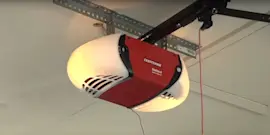
To identify the model for your Craftsman garage door opener, look for the model/serial label on the powerhead (the motor unit mounted to the ceiling or wall). On many openers, the label is under a light lens/cover or behind the front cover.
Where to look on common opener styles
Check these spots first (power off the opener before removing any cover):
- Jackshaft operator (wall-mounted): under the front cover
- One-light model: under the light cover/lens
- Two-light model: under the light cover/lens opposite the controls and antenna
- Ceiling-mounted chain/belt drive: on the side or bottom of the motor unit near the light lens
- Older units: on the back panel near the wiring terminals
What you are looking for on the label
The label usually includes a model number and sometimes a separate serial number.
| Label item | What it tells you | Why you need it |
|---|---|---|
| Model number | The exact opener version (example: 139663902) | Ensures correct parts and troubleshooting steps |
| Serial number | Production identifier | Helps match compatible components when versions vary |
| Motor unit info | Voltage, logic board family, date codes | Useful for diagnosing intermittent issues |
Why it matters
Using the exact model number (like 139663902) prevents ordering the wrong safety sensors, wall control, logic board, or drive components, and it helps you match the right troubleshooting steps for Craftsman units.
Next step after you find the model number
- Write the model number exactly as shown (include all digits)
- Search the model number on Sears PartsDirect to pull up the correct parts list
- If your opener is flashing lights or showing a diagnostic pattern, use Craftsman error codes to narrow down the failure
Last updated: February 2026
Is it cheaper to repair or replace a garage door opener?
For a Craftsman garage door opener model 139663902, it’s cheaper to repair when the problem is limited to common wear items or adjustments (safety sensors, remote/wall control issues, force or travel settings). Replacement makes more sense when the opener is older (10 to 15 years), has repeated failures, or the repair cost is close to half the price of a new unit.
Quick decision guide
- Repair when the opener runs but the door will not close, reverses, or remotes act up.
- Repair when troubleshooting points to sensors, wiring connections, or settings.
- Replace when the motor hums but won’t run, the unit overheats, or it repeatedly strips gears.
- Replace when you need major components plus labor and the total is near new-opener cost.
- Replace when reliability and quieter operation matter more than keeping the existing unit.
Typical cost comparison (what most homeowners see)
| Option | Typical scope | Typical total cost | Best when |
|---|---|---|---|
| Repair | Adjustments, sensors, controls, minor electrical | $100 to $300 | Opener is under ~10 to 15 years and otherwise reliable |
| Replace | New opener + installation | $300 to $600+ | Opener is older, noisy, or has recurring breakdowns |
What to check first (often fixes “replace it” symptoms)
- Safety sensor alignment and obstructions (a very common “won’t close” cause).
- Force and travel limits (misadjustment can cause reversing or stopping).
- Wall control and remote behavior (sticking button, bad wiring, or programming issues).
- Door balance (a heavy, binding door can make an opener seem “weak”).
For step-by-step troubleshooting paths and blink-code help, use Craftsman error codes.
Why it matters
A garage door opener can look “bad” when the real issue is sensor alignment, force settings, or a door that is binding. Repairing those items restores safe operation and prevents unnecessary replacement, while replacing an aging opener avoids repeated downtime and escalating repair costs.
Last updated: February 2026
How to find the correct garage door opener?
To find the correct garage door opener, we match the opener’s drive type, lifting power, and features to your door’s size, weight, and usage. For a Craftsman system like model 139663902, start by confirming your door type and then choose an opener that meets the door’s demands and your noise, safety, and backup-power needs.
Step-by-step: how we choose the right opener
- Identify your door type: sectional (most common) or one-piece/tilt-up.
- Estimate door weight and size: heavier wood or insulated doors need more lifting power.
- Pick a drive type: chain (durable), belt (quieter), or screw/direct (varies by design).
- Decide on motor type: AC (common, steady) or DC (often quieter, soft start/stop).
- Confirm safety and convenience features: photo eyes, auto-reverse, lighting, keypad, smart control.
- Check power needs: ceiling outlet location; consider battery backup if outages are common.
Quick comparison: drive types
| Drive type | Best for | Typical tradeoff |
|---|---|---|
| Chain drive | Value and durability | More vibration and noise |
| Belt drive | Attached garages, quiet operation | Higher cost |
| Screw/direct drive | Fewer moving parts (varies) | Can be noisier in temperature swings |
Lifting power: what to look for
Most residential openers fall into these ranges:
- 1/2 HP equivalent: many standard double doors in good condition
- 3/4 HP equivalent: heavier insulated doors, frequent use
- 1+ HP equivalent: oversized or very heavy custom doors
If your door is hard to lift by hand (with the opener disconnected), fix the door or spring balance first. An opener is not designed to “muscle through” a binding or unbalanced door.
Why it matters
Choosing the right opener prevents nuisance reversals, reduces gear and motor wear, and improves safety sensor performance. It also helps you avoid overbuying features you will not use.
Helpful troubleshooting if you already have an opener
If you are comparing options because your current unit is acting up, check our Craftsman error codes guide first; many issues are caused by sensor alignment, force settings, or travel limits rather than a failed motor.
Last updated: February 2026
Can you get a universal remote for an old garage door opener?
Yes. For an older Craftsman garage door opener like model 139663902, you can typically use a universal remote if it supports your opener’s radio frequency and “learn” method; if it does not, adding an external receiver kit is the standard workaround.
What to check before you buy
Universal remotes are not truly one size fits all; compatibility depends on how your opener learns remotes and what frequency/security system it uses.
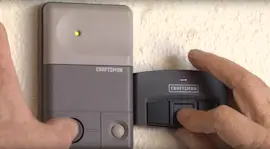
- Look for a “Learn” button on the motor unit (usually under the light lens or a small cover).
- Confirm the opener’s frequency (common legacy frequencies include 390 MHz and 315 MHz).
- Check whether it uses rolling code/security+ style learning or an older fixed-code DIP switch setup.
- If your remote keypad or wall control is acting up too, troubleshoot that first.
- If compatibility is unclear, plan on an external receiver plus matching remotes.
Best options (from simplest to most universal)
| Option | When it works best | What you’ll need |
|---|---|---|
| Universal remote | Opener has a Learn button and the remote lists compatibility | Universal remote + programming steps |
| Brand-compatible remote | You want the closest match to original behavior | Compatible Craftsman remote |
| External receiver kit | Very old opener, odd frequency, or no Learn button | Receiver + remotes (and wiring to opener) |
Basic programming steps (typical)
These steps vary by remote, but the process is usually similar:
- Put the remote into program mode.
- Press the opener’s Learn button until its indicator light turns on or blinks.
- Press the remote button you want to use (sometimes twice).
- Test door operation; reprogram if range is short.
For Craftsman-specific diagnostic clues (like blinking light patterns or error indications), use our Craftsman error codes guide.
Why it matters
Using a compatible remote (or adding an external receiver) prevents intermittent operation, short range, and “won’t program” frustration. It also helps you avoid forcing the door when the opener is actually signaling a sensor or travel issue.
Last updated: February 2026
Where can I buy Craftsman garage door opener parts?
You can buy replacement parts for your Craftsman garage door opener model 139663902 through Sears PartsDirect by searching the model number and selecting the exact part from the parts list. This helps ensure the replacement matches your opener’s drive system and wiring.
Best way to find the right part for model 139663902
Use the model number 139663902 to narrow results, then confirm the part by matching what you see on your opener.
- Find the model number on the opener motor unit label (usually on the side or bottom of the housing)
- Identify the opener type (chain drive, belt drive, or screw drive)
- Note symptoms (won’t close, won’t open, lights blinking, remote not working)
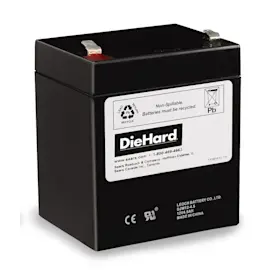
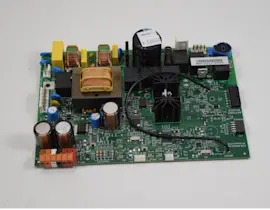
- Compare the part description to what you’re replacing (sensor, logic board, gear kit, wall control)
- Double-check wire connectors and mounting style before ordering
Common parts people replace on Craftsman openers
These are the most frequently purchased garage door opener parts when troubleshooting Craftsman units like 139663902.
| Symptom | Common part area to check | What it affects |
|---|---|---|
| Door won’t close, lights blink | Safety sensors and wiring | Reversal protection and alignment |
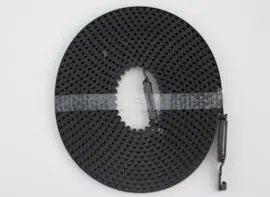
| Motor runs but door doesn’t move | Drive gear/worm gear area | Transfers motor power to the rail |
| Wall button works but remotes don’t | Receiver/logic board, remote programming | Radio signal and control logic |
| Door reverses or stops | Force/travel settings, door binding | Safety stop and travel limits |
Use error codes and blinking lights to shop smarter
If your Craftsman opener is flashing diagnostic lights or showing an error pattern, look up the code first; it often points directly to the failing circuit or sensor.
- Check the opener light flashes or diagnostic LED pattern
- Match the pattern to the listed code
- Fix alignment, wiring, or settings before replacing parts
For code lookups, use Craftsman error codes.
Why it matters
Garage door opener parts are not one-size-fits-all. Ordering by model 139663902 reduces returns and helps you get a part that fits your Craftsman opener’s exact configuration.
Last updated: February 2026