Owner’s manual
 Error Codes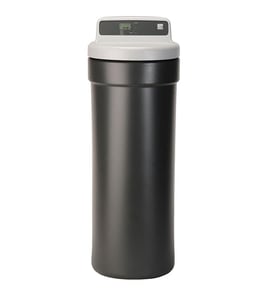




What is the average life expectancy of a water softener?
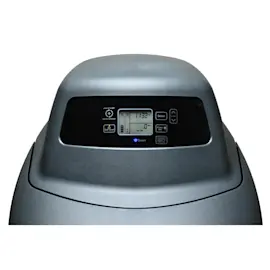
Most residential water softeners last 10 to 15 years. For a Kenmore 625348732 water softener, regular care like keeping the brine tank properly filled with the right salt type and cleaning the nozzle and venturi helps you reach (and often exceed) that typical lifespan; see the Kenmore 625348732 owner's manual.
Typical lifespan ranges
Water softener life depends on water hardness, iron content, and how well the unit is maintained.
- Average residential softener: 10 to 15 years
- Well-maintained systems in moderate conditions: often 15 to 20 years
- Hard water, iron, or neglected maintenance: can shorten life significantly
| What affects lifespan | What to do | What it helps prevent |
|---|---|---|
| Salt quality and level | Use nugget or pellet salt; avoid rock salt | Bridging, poor brine draw, incomplete regeneration |
| Iron in water | Clean resin bed regularly if you have clear-water iron | Resin fouling, hard water breakthrough |
| Sediment in supply | Keep nozzle and venturi clean | Regeneration failures, low soft water output |
| Freezing risk | Drain and protect the unit if installed where it can freeze | Cracked tanks, valve damage, leaks |
Maintenance that extends life (and performance)
These are the upkeep items that most directly impact how long a Kenmore water softener runs reliably.
- Check the salt storage level routinely and refill before it runs too low.
- Use nugget or pellet water softener salt (not rock salt).
- Clean the nozzle and venturi if you notice reduced softening or regeneration issues.
- If you have clear-water iron, plan on periodic resin bed cleaning.
- Protect the softener from freezing conditions; drain it if needed.
Why it matters
A water softener can still “run” when it is worn, but you will see symptoms like hard water, frequent recharges, or salt usage changes. Staying on top of salt, iron control, and cleaning helps protect the valve and resin bed so the softener reaches its normal service life.
Last updated: January 2026
How long does a 40 lb bag of water softener salt last?
For the Kenmore 625348732 water softener, a 40 lb bag of salt typically lasts about 4 to 6 weeks in an average household, but it can be shorter with very hard water, higher water use, or frequent regenerations. Keeping the salt tank about half full helps maintain consistent soft water.
What changes how fast you use salt
Salt use is driven by how often the softener regenerates and how much salt it uses per regeneration.
- Water hardness (GPG): harder water forces more frequent regeneration
- Household water use: more people, more showers, more laundry equals more regenerations
- Fill cycle setting: longer fill time uses more salt per regeneration
- Iron in the water: can increase demand and maintenance needs
- Plumbing leaks: a running toilet or dripping faucet can waste hundreds of gallons and trigger extra regeneration
Model-specific salt use per regeneration (fill time)
This Kenmore softener uses a timed fill cycle to meter water into the salt storage tank to make brine. The manual lists typical salt use by fill minutes.
| Fill cycle length (minutes) | Approx. salt used per regeneration (lb) |
|---|---|
| 10 | 2.9 |
| 12 | 3.5 |
| 14 | 4.1 |
| 16 (factory setting) | 4.6 |
| 19 | 5.5 |
| 25 | 7.2 |
Quick estimate:
| Regenerations per week | 40 lb bag lasts about |
|---|---|
| 1 | ~8 to 13 weeks |
| 2 | ~4 to 6 weeks |
| 3 | ~3 to 4 weeks |
Best practices for refilling salt
We recommend following the care guidance in the 625348732 owner's manual.
- Check salt level a few weeks after install, then weekly
- Refill when the tank is about half full
- Use nugget or pellet water softener salt (avoid rock salt)
- Keep the brinewell cover in place
- If you notice salt bridging or mush, break it up and clean the tank as needed
Why it matters
If the salt runs out, the softener cannot make brine for regeneration, and you will start getting hard water again. On the other hand, setting the unit to regenerate more than needed wastes salt and water.
Last updated: January 2026
What water softeners do plumbers recommend?
Plumbers typically recommend water softeners that are easy to service, have readily available parts, and use proven control valves. For a Kenmore water softener like model 625348732, the best “plumber-approved” choice is usually the unit that fits your water hardness, iron level, and household flow needs, then is installed correctly per the 625348732 owner's manual.
What plumbers usually look for (and what to match at home)
When plumbers recommend a water softener, they are usually prioritizing reliability and correct sizing over a specific brand name.
- Correct capacity for your grains-per-gallon (GPG) hardness and household size
- Ability to handle iron if you have it (softeners help with some clear-water iron)
- Simple, proven valve design with common replacement parts
- Proper drain access and a safe, code-compliant installation location
- Easy maintenance: salt loading, cleaning, and periodic checks
Installation basics plumbers care about
The Kenmore 625348732 manual calls out several placement and hookup priorities that align with what plumbers recommend.
- Install on the main water line before the water heater
- Keep water temperature through the softener under 120°F (49°C)
- Place near a drain (floor drain, laundry tub, sump, or standpipe)
- Avoid freezing locations (freeze damage is preventable with correct placement)
- Use a nearby 120V outlet for the transformer (within the power cord reach)
Quick checklist table
| Recommendation | What it means | Why it matters |
|---|---|---|
| Correct sizing | Match hardness and usage | Prevents hard water breakthrough and excess salt use |
| Proper location | Near main line and drain | Reduces leaks, clogs, and drain issues |
| Serviceable design | Common wear parts available | Faster, cheaper repairs |
| Routine care | Salt checks and cleaning | Keeps regeneration working correctly |
Common service parts that support long-term reliability
Plumbers also like systems with replaceable wear parts. If your 625348732 starts leaking at the valve or stops regenerating correctly, these are common repair items.
- Seal kit 7129716 (valve sealing surfaces that can cause internal bypass or leaks)
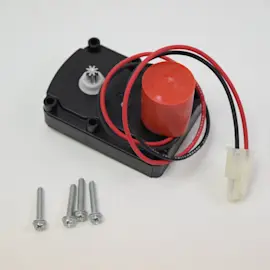
- Waterworks water softener rotor position switch 7030713 (helps the control know valve position)
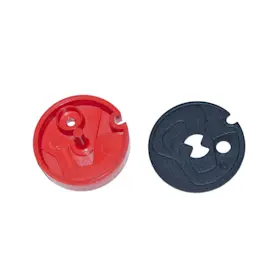
- Replacement rotor 7199232 (wear item in the valve assembly)
Why it matters
A “recommended” water softener is the one that is sized to your water conditions and installed correctly. Even a top-tier unit will underperform if it is installed after the water heater, routed to the wrong drain, or set up with incorrect timer settings.
Last updated: January 2026
Is it worth repairing a water softener?
Yes, repairing your Kenmore water softener model 625348732 is worth it when the problem is limited to common wear parts in the valve or brine system and the resin tank or salt storage drum is not leaking. A leaking tank or drum makes replacement the better value.
Quick decision checklist
- Repair makes sense when:
- You have intermittent hard water, poor brine draw, or a small valve-area leak.
- The issue points to serviceable valve components such as the seal kit 7129716.
- Leaks are at fittings, drain tubing, or O-rings, not from the tank or drum.
- Replacement makes sense when:
- The resin tank or salt storage drum is leaking.
- You have repeated failures that return after repairs.
- The softener has been in service for 15 years or more.
Common repairs that are usually worth it
- Valve internal sealing issues: replace seals with the seal kit 7129716
- Regeneration position problems: replace the waterworks water softener rotor position switch 7030713
- Drain line issues: replace a cracked or restricted drain hose 7139999
Cost-to-value guide
| Situation | Typical best choice | Why |
|---|---|---|
| Minor valve leak or hard water after regen | Repair | Wear parts are replaceable and restore performance |
| Leak from tank or salt storage drum | Replace | Major component failure with high replacement cost |
| One clear failed component (seals, switch, drain tube) | Repair | Targeted fix with predictable results |
Why it matters
A properly working softener reduces scale buildup in plumbing and water-using appliances and prevents wasted salt and water during regeneration.
Model-specific tip
Confirm the unit is installed before the water heater, protected from freezing, and supplied by a nearby drain and 120V outlet as described in the 625348732 owner’s manual.
Last updated: January 2026