Get free shipping on your order, with any water filter subscription. Find my filter

Open Hamburger Menu
Sears Parts Direct
Tips to find your model number
GE GTWN4250D2WS washer

GE GTWN4250D2WS washer Parts

Here are the diagrams and repair parts for GE GTWN4250D2WS washer, as well as links to manuals and error code tables, if available.

By Schematic
By Part
SELECT DIAGRAM
?

This is the number corresponding to the part on the diagram / schematic

Browse Parts for GTWN4250D2WS Washer

  • Washer Drive Pulley for GE GTWN4250D2WS - Part WH07X10019

    Suspension, pump & drive components diagram

    Washer Drive Pulley

    In Stock
    $35.14
    56% OFF Was : $80.42Info Icon
    Minus Item
    Qty
    Plus Item
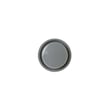
  • Washer Tub Fill Nozzle for GE GTWN4250D2WS - Part WH41X10299

    Controls & backsplash diagram

    Washer Tub Fill Nozzle

    Part #WH41X10299
    This item is not returnable
    In Stock
    $12.86
    13% OFF Phone Price : $14.86Info Icon
    Minus Item
    Qty
    Plus Item
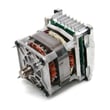
  • Washer Drive Motor And Inverter Assembly for GE GTWN4250D2WS - Part WH20X10094

    Suspension, pump & drive components diagram

    Washer Drive Motor And Inverter Assembly

    In Stock
    $262.93
    27% OFF Was : $360.29Info Icon
    Minus Item
    Qty
    Plus Item
  • Washer Outer Tub for GE GTWN4250D2WS - Part WH45X20473

    Tub, basket & agitator diagram

    Washer Outer Tub

    Part #WH45X20473
    This item is not returnable
    In Stock
    $217.26
    5% OFF Phone Price : $229.26Info Icon
    Minus Item
    Qty
    Plus Item
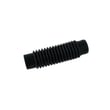
  • Washer Drain Hose for GE GTWN4250D2WS - Part WH41X22935

    Tub, basket & agitator diagram

    Washer Drain Hose

    Part #WH41X10163

    Replaced by #WH41X22935

    Info Icon
    Manufacturer substitution
    This part replaces WH41X10163. Substitute parts can look different from the original.
    This item is not returnable
    In Stock
    $16.50
    11% OFF Phone Price : $18.50Info Icon
    Minus Item
    Qty
    Plus Item
  • Washer Suspension Rod Socket for GE GTWN4250D2WS - Part WH01X10001

    Suspension, pump & drive components diagram

    Washer Suspension Rod Socket

    Part #WH01X10001
    This item is not returnable
    In Stock
    $8.93
    10% OFF Phone Price : $9.93Info Icon
    Minus Item
    Qty
    Plus Item
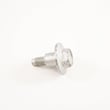
  • Washer Screw for GE GTWN4250D2WS - Part WH02X10237

    Tub, basket & agitator diagram

    Washer Screw

    Part #WH02X10237
    This item is not returnable
    In Stock
    $5.56
    15% OFF Phone Price : $6.56Info Icon
    Minus Item
    Qty
    Plus Item
  • Baffle Screw And Washer for GE GTWN4250D2WS - Part WE02X30757

    Tub, basket & agitator diagram

    Scr 10-18 Pl

    Part #WH02X1194

    Replaced by #WE02X30757

    Info Icon
    Manufacturer substitution
    This part replaces WH02X1194. Substitute parts can look different from the original.
    In Stock
    $36.67
    Minus Item
    Qty
    Plus Item
  • Washer Lid Switch Magnet for GE GTWN4250D2WS - Part WH12X10276

    Cabinet, cover & front panel diagram

    Washer Lid Switch Magnet

    Part #WH12X10276
    This item is not returnable
    In Stock
    $12.53
    14% OFF Phone Price : $14.53Info Icon
    Minus Item
    Qty
    Plus Item
  • Washer Tub Ring for GE GTWN4250D2WS - Part WH45X10134

    Tub, basket & agitator diagram

    Tub Cover

    Part #WH45X10113

    Replaced by #WH45X10134

    Info Icon
    Manufacturer substitution
    This part replaces WH45X10113. Substitute parts can look different from the original.
    In Stock
    $102.63
    10% OFF Phone Price : $114.63Info Icon
    Minus Item
    Qty
    Plus Item

GE Washer GTWN4250D2WS FAQs

A GE washing machine typically lasts 10 to 14 years. For your GE GTWN4250D2WS top-load washer, consistent care (especially hose replacement, proper loading, and keeping the tub clean) helps you reach the high end of that range.

What most affects washer lifespan

  • Usage frequency: multiple loads per day wears drive and suspension parts faster
  • Overloading or unbalanced loads: increases stress on the basket, bearings, and suspension
  • Water quality and detergent habits: excess suds and residue can cause odors and buildup
  • Hose condition: aging fill hoses are a common source of leaks
  • Moisture left trapped: promotes odor and grime that can shorten component life

Maintenance that extends life on GTWN4250D2WS

We recommend these habits because they reduce strain on the motor, tub, and seals:

  • Replace water supply hoses about every 5 years
  • Leave the lid open after cycles so moisture can evaporate
  • Load items evenly around the outside of the basket; avoid laying large items across the agitator
  • Wipe spills promptly and clean the basket with a soft cloth and mild detergent
  • Turn off water faucets when the washer is not in use for long periods

For model-specific care steps and loading guidance, use the GTWN4250D2WS owner's manual.

Quick reference: what to expect over time

Washer age What’s common What to do
0 to 5 years Minor adjustments, hose wear begins Keep loads balanced; plan hose replacement
6 to 10 years More vibration, occasional leaks Inspect hoses, tub seal area, and leveling
11 to 14 years Higher chance of drive, bearing, or control issues Compare repair cost vs. remaining life

Why it matters

Knowing the typical life expectancy helps you decide when preventive maintenance is worth it and when a major repair (motor, bearing, control board) may not be the best value.

Last updated: January 2026

The most common GE washer problem is a no-spin or no-agitate condition, often caused by a lid safety issue, a drive system problem, or a control reset need. On the GE GTWN4250D2WS, start with the lid closed, power reset, and basic fill and drain checks in the GTWN4250D2WS owner’s manual.

Quick checks we recommend first (fast, no parts)

  • Confirm the washer is plugged into a working outlet and press START.
  • Make sure both hot and cold faucets are fully open.
  • Close the lid firmly; the washer will not agitate or spin with the lid open.
  • Reset the electronics: unplug 2 minutes, plug back in, then start a cycle.
  • If the washer fills and drains at the same time, verify the drain standpipe is above 30 inches.
  • If you see lots of suds, switch to HE detergent and reduce the amount.

Most common symptom-to-cause map

Symptom Most likely cause What to do next
Won’t spin or agitate Lid safety not made, lid switch issue Check lid closure; test/replace the washer lid switch assembly WH12X10334
Fills then stops or acts “glitchy” Control needs reset, control issue Do the 2-minute unplug reset; if persistent, diagnose the GE washer electronic control board WH12X10614C
Fills and drains at same time Drain hose/standpipe setup Correct standpipe height and hose routing per the GTWN4250D2WS installation guide
Leaks or water level seems “low” Oversudsing, normal HE water level behavior Use less HE detergent; expect lower water coverage on HE designs

Why it matters

No-spin and no-agitate complaints are common because the washer is designed to stop motion for safety (lid open) and to protect performance (oversudsing, improper drain setup). Fixing the basics first prevents unnecessary part replacement and repeat failures.

Last updated: January 2026

A 5.0 cu ft washer gives you about 11% more drum volume than a 4.5 cu ft washer, so it handles bulkier loads with fewer cycles. Your GE GTWN4250D2WS is a different capacity class than both sizes; use this comparison mainly for shopping, then confirm fit and clearances in the GTWN4250D2WS installation guide.

What the extra 0.5 cu ft changes

  • Fits more items per load, especially bulky bedding and thick towels.
  • Reduces the number of loads you run each week.
  • Improves item movement in the basket when you avoid overfilling.
  • Can reduce tangling for large items because there is more room to circulate.
  • May require more laundry-room space depending on the cabinet depth and lid clearance.

Quick comparison

Item 4.5 cu ft washer 5.0 cu ft washer
Drum volume Large Extra-large
Capacity difference Baseline About 11% more
Best match Regular family loads Bulky bedding, larger households
Loads per week More Fewer

How to decide (and how it relates to GTWN4250D2WS)

  • If you regularly wash comforters, thick blankets, or large mixed loads, 5.0 cu ft is the better size.
  • If you mostly wash everyday clothing loads, 4.5 cu ft is already a large capacity.
  • For any washer, installation limits can be the deciding factor; the GTWN4250D2WS installation requirements include minimum clearances (0" sides, 2" front, 3" rear) and a minimum drain standpipe height of 30 inches.
  • For best cleaning in a high-efficiency top-load design, load loosely and do not pack items down; the washer needs space for proper agitation and rinsing (see the GTWN4250D2WS owner’s manual).

Why it matters

Capacity affects how often you do laundry and how well items can move through wash and rinse. Fit matters just as much; clearances, drain height, and a firm floor help prevent vibration and installation problems.

Last updated: January 2026
Most common symptoms to help you fix your washers

Choose a symptom to see related washer repairs.

Main causes: clogged drain hose, house drain clogged, bad drain pump, water-level pressure switch failure, bad control b…

Main causes: broken lid switch or lid lock, bad pressure switch, broken shifter assembly, faulty control system…

Main causes: worn agitator dogs, bad clutch, broken motor coupler, shifter assembly failure, broken door lock, suspensio…

Main causes: water heater failure, bad water temperature switch, faulty control board, bad water valve, faulty water tem…

Main causes: lack of electrical power, wiring failure, bad power cord, electronic control board failure, bad user interf…

Main causes: no water supply, bad water valves, water-level pressure switch failure, control system failure, bad door lo…

Main causes: unbalanced load, loose spanner nut, worn drive block, broken shock absorber or suspension spring, debris in…

Main causes: leaky water inlet valve, faulty water-level pressure switch, bad electronic control board…

Main causes: bad lid switch or door lock, bad timer or electronic control board, wiring failure, bad water inlet valve a…

Repair guides for electric ranges

How to replace an oven temperature sensor on an electric range

How to replace an oven temperature sensor on an electric range

These step-by-step instructions guide you through replacing an oven temperature sensing probe.…

Repair time and Difficulty

 15 minutes or less
How to replace an electric range oven control board

How to replace an electric range oven control board

If the electronic oven control board isn't powering the bake and broil functions, you can replace it in less than half a…

Repair time and Difficulty

 15 minutes or less
How to replace a range surface element control switch

How to replace a range surface element control switch

The surface element control switch lets you turn the stovetop elements on and off, and to set the heat level. These step…

Repair time and Difficulty

 15 minutes or less

Effective articles & videos to help repair your washers

Use the advice and tips in these articles and videos to get the most out of your washer.

How auto-load sensing washers work (and when they don't)

How auto-load sensing washers work (and when they don't)

Your washer barely fills or seems stuck in sensing mode? Find out how auto-load sensing and Precise Fill features work, …

How to remove the main control board and user interface from a Maytag Epic Z front-load washer

How to remove the main control board and user interface from a Maytag Epic Z front-load washer

Get step-by-step instructions for removing the main electronic control board and the control panel from a Maytage Epic Z…

Using a wiring schematic to trace a current video

Using a wiring schematic to trace a current video

Find out what’s wrong with your appliance by following a circuit.…

Parts & More

Bottom-Mount Refrigerator
Cd Player
Dishwasher
Mechanical Sewing Machine
Parts
Rotary Tool
Side-By-Side Refrigerator
Washer
Wet/Dry Vacuum