Owner’s manual
 View engine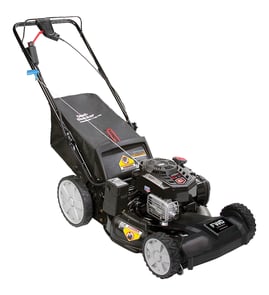


Can 87 gas go in a lawn mower?
Yes. For a Craftsman walk-behind mower like model 917372851, regular unleaded 87 octane (87 AKI) gasoline is the correct baseline fuel choice for normal conditions. Use clean, fresh gas and follow the fueling and storage safety steps in the owner's manual.
Fuel guidelines that work best
For most gas walk-behind mowers, good fuel habits prevent hard starting, surging, and carburetor problems.
- Use fresh, clean, unleaded gasoline
- 87 octane (87 AKI) is appropriate for typical small engines
- Avoid old fuel; don’t keep gasoline from one mowing season to the next
- Use a clean gas can; replace it if it starts to rust (rust and dirt cause fuel system issues)
- Wipe up spills and let the engine cool before refueling
Safe refueling steps (important)
The 917372851 manual emphasizes basic fueling safety to reduce fire risk.
- Shut the engine off and let it cool for several minutes
- Refuel outdoors, not indoors
- Do not refuel with the engine running or hot
- Clean up any spilled gasoline before starting
- Keep hands and feet away from rotating parts when operating
Storage and “bad gas” prevention
Fuel that sits too long is one of the most common reasons a mower will not start after storage.
| Situation | What we recommend | Why |
|---|---|---|
| Fuel left from last season | Drain/replace with fresh fuel | Old fuel causes starting and running problems |
| Rusty gas can | Replace the can | Rust and debris contaminate fuel |
| Storing mower indoors | Do not store with gas in the tank inside a building | Gas fumes can ignite |
For seasonal storage steps, follow the owner's manual.
Why it matters
Using the right octane is only part of the story; fuel freshness and cleanliness have a bigger impact on starting, power, and engine life than buying higher-octane gas.
Last updated: February 2026
How to find Craftsman mower parts?
To find the right parts for your Craftsman walk-behind mower model 917372851, match the mower’s model number from the rear-housing decal, then use that model number to look up diagrams and part numbers in the owner's manual.
Where to find the model number (and why it matters)
The mower model number is on a decal attached to the rear of the mower housing. Your engine has a separate model number on the engine blower housing, which matters when you’re shopping for engine-specific items.
Why it matters: the same 22-inch Craftsman mower platform can use different blades, belts, and hardware depending on the exact model and engine.
What to collect before you search parts
- Mower model number: 917372851 (rear housing decal)
- Engine model number (on engine blower housing)
- Part description (example: blade, drive belt, wheel hardware)
- Any visible measurements or notes (deck size, self-propelled symptoms)
- A photo of the worn part (helps confirm shape and mounting)
Common replacement parts customers look up for this model
These are examples of parts available for Craftsman 917372851 that often come up during maintenance and repairs:
| Repair need | Part to check | Example part on this model |
|---|---|---|
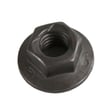
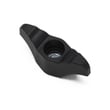
| Poor cut quality, vibration | Blade and blade mounting | Lawn mower blade 532406707, lawn mower blade adapter 581547901 |
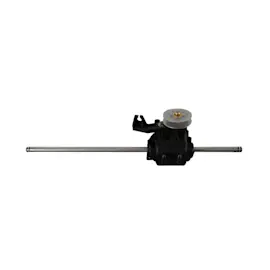
| Self-propelled not pulling | Drive belt and drive hardware | Belt 532157769, lawn mower drive pinion gear 532137054 |
| Loose handle or adjustments | Knobs and fasteners | Handle knob 532185577, husqvarna lawn mower height adjuster knob 532701037 |
Tips for getting the correct part the first time
- Use the model number to confirm the exact diagram location and part callout.
- Compare the old part to the diagram and the part description (shape and mounting points).
- For blade work, follow safe handling and tightening guidance in the manual.
Last updated: February 2026
What are the common problems with Craftsman lawn mowers?
Common problems on a Craftsman walk-behind mower like model 917372851 are no-start conditions (fuel, spark, or safety control issues), loss of power from airflow or fuel restrictions, poor cut quality from a dull or loose blade, and self-propel drive problems caused by belt or drive-gear wear. For model-specific checks and specs, use the owner's manual.
Most common symptoms and what usually causes them
- Does not start: stale fuel, dirty air filter, disconnected spark plug wire, bad spark plug, or the control bar not held in the run position
- Loss of power: grass buildup under the deck, dirty air filter, cutting too much grass at once, or too much oil in the engine
- Poor cut (uneven): worn or bent blade, uneven wheel height settings, or debris packed under the mower deck
- Excessive vibration: loose blade hardware, damaged blade, or a broken blade adapter
- Loss of drive (self-propel): drive wheels not engaging or a worn drive belt
Quick troubleshooting checklist (safe, fast steps)
Before you adjust or repair anything, disconnect the spark plug wire so the engine cannot accidentally start.
- Drain and replace old fuel; refill with fresh gas
- Inspect and clean or replace the air filter
- Confirm the spark plug wire is firmly seated; replace the spark plug if fouled
- Clean packed grass from under the deck (a common cause of power loss)
- Check blade tightness and condition; replace a bent blade with the correct part
- If self-propelled and it will not move, inspect the drive system and consider replacing the belt 532157769
Parts that commonly fix these issues
| Problem | Common fix | Example part for 917372851 |
|---|---|---|
| Poor cut, vibration | Replace damaged or dull blade | Lawn mower blade 532406707 |
| Mower will not drive | Replace worn drive belt | Belt 532157769 |
| Vibration, poor cut | Inspect blade adapter for damage | Lawn mower blade adapter 581547901 |
Why it matters
Catching these issues early prevents bigger failures (like vibration-related damage) and improves cut quality. It also helps the engine run cooler and more efficiently, especially when mowing thick grass.
Last updated: February 2026
What is the max 10 ethanol for a lawn mower?
Most gas walk-behind mowers, including Craftsman model 917372851, are designed to run on gasoline blended with up to E10 (10% ethanol). Using higher-ethanol fuel (like E15 or E85) can cause hard starting, poor performance, and fuel-system damage; confirm fuel guidance in the owner's manual.
What “max 10 ethanol” means
E10 is regular unleaded gasoline that contains no more than 10% ethanol. It is the highest ethanol blend commonly considered safe for many small engines.
Quick fuel blend guide
| Fuel label | Ethanol content | Use in most walk-behind mowers |
|---|---|---|
| E0 | 0% | Best for storage and seasonal equipment |
| E10 | Up to 10% | OK for normal operation |
| E15 | Up to 15% | Not recommended |
| E85 | Up to 85% | Not recommended |
How to avoid fuel problems (especially with E10)
We recommend these habits to protect the carburetor, fuel lines, and starting system:
- Buy fresh fuel in small quantities so it does not sit for weeks.
- Keep the gas can clean and replace it if it starts to rust (rust and dirt cause fuel issues).
- Store fuel safely and never store the mower with gasoline in the tank inside a building.
- Let the engine cool before storing the mower in any enclosed area.
- For off-season storage, follow the storage steps in the owner's manual.
Why it matters
Higher ethanol blends attract moisture and can separate in the tank, which leads to varnish buildup and clogged carburetor passages. That is a common cause of “won’t start” complaints after storage.
Last updated: February 2026