Owner’s manual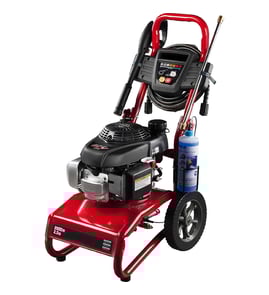



What PSI should my pressure washer be?
For a Craftsman pressure washer like model 580752000, the “right” PSI depends on what you’re cleaning; most homeowners get the best results in the 1,300 to 2,800 PSI range for cars, decks, patios, fences, and general outdoor cleanup. Use the 580752000 owner’s manual to match spray tips and technique to the job.
Recommended PSI by common job
Use this as a practical target range; higher PSI is not always better.
- 1,300 to 1,900 PSI: cars, patio furniture, grills, painted surfaces
- 2,000 to 2,800 PSI: decks, fences, siding (with care), most driveway rinsing
- 2,800+ PSI: tougher concrete cleaning and heavy grime (use extra caution)
| Task | Typical PSI range | Notes |
|---|---|---|
| Washing a car | 1,300 to 1,900 | Use a wider fan tip; keep distance to protect paint |
| Deck or fence | 2,000 to 2,800 | Test a small area first to avoid gouging wood |
| Concrete | 2,500 to 3,200 | Keep the wand moving to prevent etching |
How to “dial in” the right pressure on 580752000
Many pressure issues come from setup, water supply, or a clogged nozzle, not the pump.
- Start with a wider spray tip and increase only as needed
- Keep the nozzle 12 to 24 inches from the surface, then adjust closer gradually
- Confirm the garden hose delivers steady flow; avoid long, undersized hoses
- Purge air from the system before starting the engine
- If pressure pulses or seems low, clean or replace the spray tip; consider the briggs & stratton nozzle B1236DGS
Why it matters
Using more PSI than the job needs can damage wood fibers, strip paint, force water behind siding, and wear the wand and seals faster. Matching PSI, spray tip, and distance cleans faster and protects surfaces.
Last updated: January 2026
How many gpm does a 4000 PSI pressure washer use?
A 4000 PSI pressure washer commonly runs in the 3.5 to 4.0 GPM range, but GPM is a separate rating from PSI and varies by pump design. Your Craftsman model 580752000 is a lower-output unit; use the 580752000 owner's manual for its exact PSI and GPM specifications.
Typical GPM you see with 4000 PSI units
Most consumer gas pressure washers marketed at 4000 PSI pair high pressure with higher flow to improve cleaning speed.
- Typical 4000 PSI flow: 3.5 to 4.0 GPM
- Higher GPM rinses faster and reduces streaking
- Nozzle size and spray tip angle change the effective flow at the wand
- Long hoses and restrictions reduce real-world performance
- Water supply must keep up to prevent surging and pump cavitation
PSI vs GPM: what each rating tells you
| Rating | What it mainly affects | What you notice most | Common mistake |
|---|---|---|---|
| PSI | Impact force | Stripping power | Using too much PSI on wood, paint, or seals |
| GPM | Cleaning and rinsing speed | How fast dirt washes away | Assuming PSI automatically means high flow |
Why it matters
Choosing by GPM helps you finish large jobs faster (driveways, siding, equipment). Choosing by PSI helps you avoid surface damage. For the Craftsman 580752000, matching the correct spray tip and maintaining steady water supply delivers the best results.
If flow seems low or pulsing
- Check the spray tip for debris; try a different tip
- Inspect the high-pressure line for kinks, leaks, or soft spots
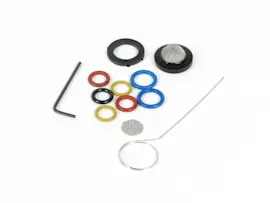
- Verify tight O-ring seals at quick-connects; replace worn seals such as the o-ring 190584GS
- If pressure spikes or surges, service the unloader system; see how to replace a pressure washer unloader valve
Last updated: January 2026
What kind of gas goes in a Craftsman 3000 PSI pressure washer?
For the Craftsman 580752000 gas pressure washer, use clean, fresh unleaded gasoline with a minimum 87 octane (87 AKI). If your machine is truly a 3000 PSI unit, confirm the exact model number on the data plate and follow its fuel guidance; most Craftsman gas pressure washers still specify regular unleaded.
Fuel to use (recommended)
- Unleaded gasoline, 87 octane (AKI) or higher
- Fresh fuel; replace fuel that has been sitting for 30 days
- Use fuel stabilizer for storage or infrequent use
- Store gasoline in a clean, sealed container to prevent water contamination
Fuel to avoid
- E85 and other high-ethanol blends
- Old, sour-smelling, or darkened gasoline
- Gas mixed with oil (unless your engine specifically calls for a mix)
Quick refueling and safety checklist
- Shut the engine off and let it cool before refueling.
- Refuel outdoors; wipe up spills immediately.
- Tighten the fuel cap fully; replace a damaged cap with the pressure washer cap 190581GS.
- If the engine runs rough after storage, drain the tank and refill with fresh fuel.
Common fuel-related symptoms
| Symptom | Likely fuel issue | What to do first |
|---|---|---|
| Won’t start | Stale fuel or water in fuel | Drain tank, refill with fresh 87+ |
| Surges | Varnish from old fuel | Fresh fuel, then clean carburetor |
| Loses power | Ethanol-related issues, stale fuel | Fresh fuel, check air filter |
Why it matters
Using fresh 87+ octane unleaded helps prevent carburetor varnish, hard starting, surging, and power loss, which are the most common engine complaints on gas pressure washers.
For model-specific fueling and storage steps for Craftsman 580752000, follow the 580752000 owner’s manual.
Last updated: January 2026