Error Codes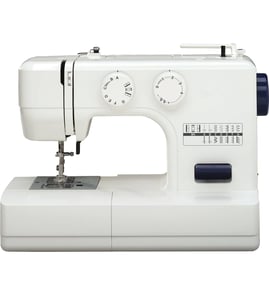

How to find out how old a sewing machine is?
To find the age of your Singer 9030 sewing machine, use the serial number on the machine and match it to a Singer serial-number date chart. The serial number format (letters and numbers) indicates the production era, which lets you narrow down the manufacturing year.
Check these common locations (use a flashlight and wipe dust off the label first):
- On the underside of the base (bottom plate)
- On the back of the machine near the power cord connection
- On the right side of the machine body near the handwheel
- On the bed area near the needle plate
- On a metal plate or sticker with a barcode
Once you have the serial number, use a Singer serial-number lookup chart and match the prefix and number range.
- Write the serial number exactly as shown (include letters)
- Note any letter prefix (for example, a single letter or two-letter prefix)
- Compare the prefix and number range to the chart’s year ranges
- If the chart lists factory or location codes, record those too (they help confirm the era)
| What you see on the machine | What it usually means | What to do next |
|---|---|---|
| Letters + numbers | Production series and time period | Match the letter prefix first |
| Numbers only | Older numbering system | Match the full number range |
| Sticker with barcode + serial | Modern ID label | Use the printed serial, not the barcode |
Use these identifiers to narrow the timeframe and then confirm with the serial number once found:
- Model number (9030) on the rating label
- Motor style (external belt drive vs. internal)
- Foot controller style and plug type
- Presence of electronic display (mechanical models typically do not have one)
Knowing the manufacturing year helps you choose compatible needles, bobbins, belts, and motor components, and it also helps when troubleshooting issues like a machine that binds, runs sluggish, or locks up.
For common troubleshooting paths, use our DIY symptom and repair content for sewing machines, such as sewing machine repair-guides landing page and sewing machine locks up.
Last updated: February 2026
Are older sewing machines worth anything?
Yes. Older sewing machines can be worth money, but most common household models sell for modest amounts; the value depends mainly on brand demand, condition, completeness (case, pedal, accessories), and whether it sews smoothly. For a Singer 9030, working condition and included accessories usually matter more than age alone.
- It runs and stitches correctly (no binding, no burning smell, consistent speed)
- Cosmetic condition (clean paint, minimal rust, intact decals, no cracks)
- Completeness (foot pedal, power cord, bobbin case, presser feet, manual if you have it)
- Service history (recent cleaning and oiling, new belt if applicable)
- Collectibility (some vintage Singer models are highly sought after; many are not)
These are common ranges we see for older machines in the U.S. market; rare collectible models can exceed these.
| Condition | Typical value range | Notes |
|---|---|---|
| Not running / parts only | $0 to $40 | Often valued for salvageable parts and accessories |
| Running but needs tuning | $40 to $120 | Skips stitches, tension issues, noisy operation |
| Clean, fully working | $100 to $250 | Best chance of a quick sale |
| Vintage collectible (model-dependent) | $250+ | Depends heavily on exact model and originality |
- Identify the exact model (for this page, it is Singer 9030).
- Do a basic function check: handwheel turns freely, needle moves, feed dogs advance fabric, reverse works.
- Inspect common problem areas: lint-packed hook area, damaged wiring, cracked foot pedal, worn belt.
- Compare like-for-like listings: same model, same condition, similar accessories.
A machine that is “old” is not automatically valuable; buyers pay for reliability and completeness. If your Singer 9030 locks up, runs sluggish, or the needle will not move, fixing that issue can raise value more than polishing the exterior.
- If the handwheel is hard to turn or the machine jams, use our guide for sewing machine locks up.
- If the needle bar does not move, follow sewing machine needle won't move.
- If the motor struggles or speed is inconsistent, check sewing machine runs sluggish.
Last updated: February 2026
What is the most trouble-free sewing machine?
The most trouble-free sewing machines are usually simple, well-maintained mechanical models with strong parts support; for a Singer 9030 mechanical sewing machine, that means prioritizing basic stitch needs, routine cleaning, correct needle and thread pairing, and avoiding feature-heavy machines that add electronics and sensors.
A low-hassle sewing machine is one that:
- Starts and runs consistently (motor and foot control respond smoothly)
- Feeds fabric evenly without slipping or bunching
- Holds thread tension without constant re-adjustment
- Does not jam or lock up during normal sewing
- Has easy-to-service wear items (belt, motor brushes, bobbin area)
| User need | Most trouble-free style | Why it tends to be reliable |
|---|---|---|
| Beginner, basic repairs | Mechanical, basic stitch set | Fewer settings to mis-thread or mis-adjust |
| Heavy fabrics occasionally | Strong mechanical drive, slower speed control | Less strain and fewer skipped stitches |
| Frequent sewing | Sturdy mechanical or high-quality computerized | Better internal build and smoother feed |
| Quilting and precision | Higher-end machine with stable feed system | More consistent stitch formation |
Even the “best” brand will act up if setup is off. We recommend these habits first:
- Change needles regularly (dull or bent needles cause skipped stitches and thread breaks)
- Match needle size and type to fabric (universal, ballpoint, denim, etc.)
- Use quality thread and re-thread with the presser foot up
- Clean lint from the bobbin area and feed dogs often
- Oil only where your machine design allows (avoid over-oiling)
- Do not force thick seams; hand-walk the wheel over bulky spots
| Symptom | Most common cause | Typical fix |
|---|---|---|
| Machine locks up | Thread jam, lint buildup | Clean bobbin area; re-thread; check for tangled thread |
| Needle won’t move | Jammed hook area, seized mechanism | Remove jam; inspect for damage; lubricate correctly |
| Runs sluggish | Belt wear, motor strain, dried lubrication | Clean, service drive system; check belt and motor |
A “trouble-free” machine is really a machine that stays in correct timing and tension with minimal adjustment. Mechanical models like the Singer 9030 often deliver that when kept clean, correctly threaded, and not overloaded with thick materials.
For step-by-step troubleshooting by symptom, use our DIY guides like sewing machine locks up and sewing machine needle won't move.
Last updated: February 2026
What is the most sought after vintage sewing machine?
The most sought-after vintage sewing machines are usually all-metal, easy-to-service models with a strong reputation for stitch quality and long-term durability. Popular picks include the Singer Featherweight (221/222) for portability and the Singer 201 for premium straight-stitch performance; high-end vintage Bernina and Pfaff machines are also widely collected.
These are the machines we see mentioned most often by collectors and serious sewists:
- Singer Featherweight 221/222: compact, smooth straight stitch, highly collectible
- Singer 201 (often called the “Rolls-Royce” of Singers): excellent straight stitch and build quality
- Singer 401/403: strong all-metal “workhorse” machines with useful stitch options
- Bernina 830 Record (vintage): precision build, strong feeding, versatile features
- Pfaff (vintage IDT-era models are especially valued): known for consistent fabric feeding and durability
Demand is usually driven by a mix of performance, serviceability, and originality.
- All-metal internal construction (less plastic in critical drive parts)
- Smooth, consistent stitch formation (especially straight stitch)
- Easy access for cleaning and oiling; common wear parts are replaceable
- Availability of accessories (feet, bobbins, cases) and standard needle compatibility
- Strong resale and collector interest (certain years, finishes, and special editions)
| Your goal | Best vintage “type” to target | Why it fits |
|---|---|---|
| Portable piecing and travel | Featherweight-style machine | Light, simple, consistent straight stitch |
| Best straight stitch quality | Singer 201-class machine | Power and stitch precision |
| Versatility for garments | 401/403-class machine | More stitch options, still durable |
| Premium engineering | Vintage Bernina/Pfaff | High build quality and refined controls |
A well-maintained vintage machine can outlast many modern entry-level machines because the drive system is typically simpler and more rebuildable. For a Singer 9030 sewing machine owner, this is also a helpful benchmark: if your current machine is sluggish, locking up, or skipping stitches, the fix is often cleaning, lubrication, belt condition, or motor performance rather than “the machine is worn out.”
If your Singer 9030 sewing machine is acting up, these guides help you narrow down the cause:
- Sewing machine locks up
- Sewing machine runs sluggish
- Sewing machine skipping stitches
- Sewing machine needle won't move
Last updated: February 2026