

Are air compressor parts interchangeable?
Most parts on a Craftsman air compressor model 919162120 are not interchangeable across brands or even across similar-looking compressors. Major components (pump, motor, regulator/manifold assemblies, pressure switch, and tank fittings) must match the compressor’s PSI/CFM design and mounting style to fit and work correctly.
What’s usually not interchangeable
These parts are typically model-specific because of mounting patterns, pressure ratings, and how the air path is routed:
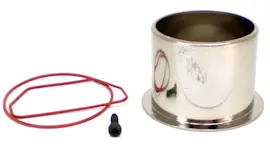
- Pump and cylinder/head components (valve plate, reed valves, gaskets)
- Electric motor (HP, RPM, frame size, shaft diameter)
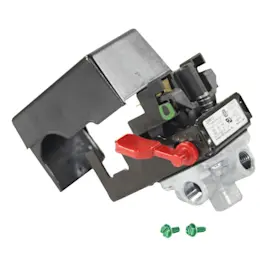
- Pressure switch (cut-in/cut-out range, port style, unloader connection)
- Regulator/manifold assemblies and integrated gauges
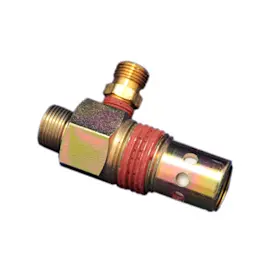
- Check valve and unloader tube connections (thread type and seat style)
- Tank drain valve location and thread style (varies by tank)
What can be interchangeable (if the specs match)
Some external air fittings are more standardized, but you still need to match thread type and coupler profile:
- Quick-connect couplers and plugs (industrial/M-style, automotive/T-style, ARO, etc.)
- Hose fittings and adapters (commonly NPT in the U.S.)
- Basic inline accessories (filters, water separators) if rated for your PSI and flow
Quick check table
| Item | Often interchangeable? | What must match |
|---|---|---|
| Pump | No | Mounting, RPM, airflow (CFM), pulley/flywheel setup |
| Pressure switch | Sometimes | PSI range, port size, unloader style |
| Coupler/plug | Often | Coupler “profile” and thread size/type |
| Regulator | Sometimes | PSI rating, port layout, mounting |
How we recommend confirming compatibility
Use these checks before ordering or swapping parts:
- Match the model number 919162120 first, then compare part descriptions
- Verify thread type and size (for example, common NPT sizes like 1/4-in or 3/8-in)
- Confirm pressure rating (PSI) and expected airflow (CFM) for regulators and accessories
- Compare mounting hole spacing and orientation for switches, regulators, and motors
- If you are changing pump or motor components, follow a proven procedure such as how to rebuild an air compressor pump
Why it matters
Using a “close enough” part can cause air leaks, poor pressure control, hard starting, nuisance tripping, or unsafe over-pressurization. Matching the correct specs keeps your Craftsman compressor running reliably and helps prevent repeat failures.
Last updated: February 2026
What company makes Craftsman air compressors?
Craftsman air compressors (including model 919162120) have been produced by multiple original equipment manufacturers over the years; the maker depends on the specific model and production era. For many older Craftsman compressors, the 919 model series is commonly associated with DeVilbiss Air Power (later tied to MAT Holdings), while other OEMs have built different Craftsman models.
How to tell who made your specific Craftsman compressor
The most reliable identifier is the model number and data plate on the tank or shroud. Use these checks:
- Confirm the full model number is 919162120 (not just “919”).
- Look for an OEM name or manufacturing code on the rating label.
- Note whether parts diagrams list assemblies like pump, pressure switch, regulator, and check valve under a specific vendor style.
- Compare your unit’s layout (motor position, pump style, shroud) to common DeVilbiss-style designs.
- If you are troubleshooting, match symptoms to the most likely system (electrical start circuit vs. pressure control).
Why Craftsman has more than one manufacturer
Craftsman is a brand, not a single factory. Different suppliers have built Craftsman air compressors across different years and product lines.
| What you have | What it usually means | Why it matters for parts/repair |
|---|---|---|
| Model series like 919... | Often linked to DeVilbiss-style builds | Parts and diagrams tend to follow that design family |
| Different model series (varies) | Different OEM | Pressure switch, regulator, and pump parts can differ |
If you’re trying to repair or identify parts
Because this model page does not include a manual or model-specific part list, we recommend using symptom-based troubleshooting to narrow the system first:
- No start or trips breaker: start circuit, motor, pressure switch
- Won’t build pressure: pump, reed valves, head gasket, check valve
- Leaks or won’t hold air: fittings, drain valve, tank check points
- Can’t adjust outlet pressure: regulator
A good next step is our DIY guide: air compressor common questions.
Why it matters
Knowing the OEM helps you match the correct pressure switch, check valve, regulator, and pump components. Even when two compressors look similar, small design differences can change which parts fit and how the unit is serviced.
Last updated: February 2026
Is it worth it to repair a compressor?
For a Craftsman air compressor model 919162120, repair is worth it when the problem is a common, low-cost failure (like a pressure switch, check valve, or leaking fitting) and the tank and pump are in good shape. Replacement makes more sense when repairs are frequent, performance is poor, or safety-related components keep failing.
Quick decision checklist
- Repair if it won’t start, won’t build pressure, or leaks air from a fitting or valve.
- Repair if the unit is otherwise meeting your needs for PSI and airflow.
- Replace if the tank is damaged, heavily rusted, or leaking.
- Replace if the pump has severe wear (low compression, loud knocking, metal debris).
- Replace if you have repeated electrical trips, overheating, or burning smells.
- Replace if repair cost approaches a large share of a comparable new compressor.
What usually makes repair “worth it”
Most air compressor repairs are economical when they involve serviceable components rather than the tank or pump assembly.
| Issue you see | Common cause | Typical path |
|---|---|---|
| Won’t start | Pressure switch, unloader, check valve, power supply | Diagnose and replace the failed component |
| Won’t build tank pressure | Valve plate, reed valves, gasket leak, intake filter restriction | Rebuild or service the pump |
| Air leaks | Fittings, drain valve, regulator, safety valve | Find leak and reseal or replace |
| Can’t adjust output pressure | Regulator problem | Replace regulator or service air path |
Why it matters
A compressor that short-cycles, leaks, or struggles to start can overheat the motor and wear the pump faster. Fixing the root cause early often prevents a bigger failure and keeps your Craftsman compressor delivering stable tank pressure and regulated output.
Best next step for your symptom
Match your decision to what the compressor is doing right now:
- If it won’t start, follow air compressor won't start.
- If it won’t build tank pressure, use air compressor won't build tank pressure.
- If it leaks air, use air compressor air leaks.
- If you suspect pump wear, review how to rebuild an air compressor pump.
Last updated: February 2026
What is the most common cause of air compressor failure?
The most common cause of failure on a Craftsman air compressor like model 919162120 is poor maintenance that leads to heat and wear: dirty intake filtration, restricted cooling airflow, moisture contamination, and (on oil-lubricated units) degraded oil. Those conditions accelerate pump and motor damage.
Most common failure drivers (what we see most often)
- Overheating from blocked cooling fins, dirty shrouds, or running beyond duty cycle
- Restricted intake airflow from a dirty or damaged air filter
- Moisture and rust from not draining the tank regularly
- Air leaks at fittings, regulator, drain valve, or check valve that force longer run times
- Electrical stress (weak outlet, long undersized extension cord, failing pressure switch)
Quick checks that prevent major breakdowns
- Unplug power, then let the unit cool fully.
- Clean dust from the pump and motor area so air can move freely.
- Drain the tank after use; watch for heavy water or rusty discharge.
- Listen for leaks (hissing) and fix them before the compressor starts short-cycling.
- If it struggles to start, test with a known-good outlet and no extension cord.
Symptom-to-cause cheat sheet
| What you notice | Most likely cause | What to do first |
|---|---|---|
| Won’t start | Power supply issue, pressure switch, motor overload | Verify outlet, remove extension cord, reset overload |
| Runs but won’t build pressure | Leak, worn pump valves/seals, bad check valve | Check for leaks, then inspect pump/check valve |
| Starts then trips breaker | Undersized circuit, failing motor/capacitor, high head pressure | Try dedicated circuit, check unloader/check valve |
| Pressure is hard to adjust | Regulator issue or gauge problem | Inspect regulator knob and gauge behavior |
Why it matters
Most “sudden” air compressor failures are really run-time and heat problems. When the compressor runs longer to overcome leaks, restrictions, or moisture-related damage, the pump and motor operate hotter and wear faster.
Related troubleshooting and repair help
- Use air compressor won't start when the motor hums, trips, or does nothing.
- Use air compressor won't build tank pressure when it runs continuously or stalls at low PSI.
- Use air compressor air leaks to track down fittings, valves, and regulator leaks.
Last updated: February 2026