Owner’s manual
 Error Codes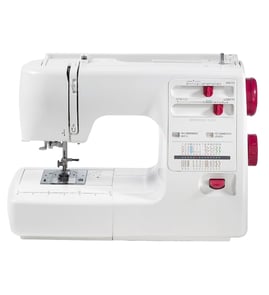

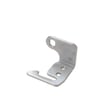
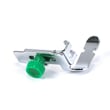
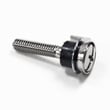
What are the parts of the electric sewing machine?
On the Kenmore 38512014590 electronic sewing machine, the main parts include the needle area (needle, needle clamp, presser foot), the bobbin and shuttle area (bobbin case and shuttle), and the controls that move fabric and form stitches (feed dogs, stitch controls, and handwheel). For model-specific diagrams and names, use the owner's manual.
Common sewing machine parts you will see on this model
These are the parts most owners interact with during threading, bobbin changes, and everyday sewing:
- Needle, needle clamp (with screw), and needle threader
- Presser foot and presser foot lever (lifter)
- Bobbin case and shuttle (hook) area
- Bobbin winder and bobbin winder rubber ring
- Feed dogs (fabric movers under the presser foot)
- Light bulb (sewing light)
Accessories and attachments (often called “parts”)
Your manual’s accessories list for the Kenmore 38512014590 includes items like these (availability can vary by kit):
| Type | Examples |
|---|---|
| Presser feet | Standard zigzag foot, satin stitch foot, zipper foot, concealed zipper foot, straight stitch foot |
| Tools | Lint brush, large screwdriver, small screwdriver, oil |
| Sewing aids | Buttonhole opener, darning plate |
Why it matters
Knowing the correct part name helps you troubleshoot faster (for example, cleaning the feed dogs or shuttle race) and helps you match the right replacement item when something wears out, breaks, or goes missing.
Safety note when working around parts
Before you change the needle, thread the needle, thread the bobbin, change the presser foot, remove covers, or lubricate, switch the machine off and unplug it. This prevents shocks and reduces the chance of needle injury.
Last updated: February 2026
What is the most reliable brand of sewing machine?
Reliability depends most on build quality, maintenance, and matching the machine to your fabric and stitch needs. For many home sewers, Janome, Juki, and Bernina are known for long-term durability; Brother is often reliable for feature-rich value; and Kenmore 385-series machines like model 38512014590 are widely regarded as sturdy when kept cleaned, oiled, and correctly adjusted (see the owner's manual).
How to choose a reliable sewing machine (what we look for)
- A solid internal frame and smooth, consistent stitch formation
- Easy access for cleaning lint and routine oiling
- Readily available wear parts (needle plate, bobbin case, belts, motor components)
- Stable tension control and straightforward threading path
- A serviceable motor and foot control that runs smoothly at low speed
Brand reliability at a glance
| Brand | Typical strengths | Best for |
|---|---|---|
| Janome | Durable mechanics, consistent stitch quality | Everyday garment sewing, quilting |
| Juki | Strong feeding power, smooth motors | Heavier fabrics, frequent use |
| Bernina | Premium build, precision | Long-term ownership, advanced sewing |
| Brother | Good features for the price | Beginners, occasional to moderate use |
| Kenmore (385 series) | Sturdy older mechanical designs | Practical home sewing with maintenance |
What matters more than the logo
Even the best brand can feel unreliable if setup is off. These basics prevent many “problem machine” symptoms:
- Use the correct needle type and size for your fabric
- Rethread the upper thread with the presser foot up
- Replace needles regularly (a bent needle causes skipped stitches and noise)
- Clean lint from the bobbin area and feed dogs
- Oil only where your manual specifies; over-oiling can attract lint
Why it matters
A “reliable” sewing machine is one that holds timing and tension, feeds fabric evenly, and runs without binding. Routine care (threading, tension checks, cleaning, and oiling) is what keeps a quality machine like the Kenmore 38512014590 sewing smoothly for years.
If you’re troubleshooting reliability issues such as error messages on a Kenmore 385-series machine, use our Kenmore 385 error codes guide to narrow down the cause.
Last updated: February 2026
What year is the Kenmore sewing machine model 38512014590?
Kenmore sewing machine model 38512014590 does not map to one single published “model year”; Kenmore 385-series machines were sold across multiple years. The most reliable way to date your specific unit is to use the serial number from the nomenclature plate and compare it to the identification details in the owner's manual.
How to identify the date range on your specific machine
Use these checks to narrow it down quickly:
- Locate the nomenclature plate on the back of the machine (the manual calls out this plate and its location).
- Write down the full model number (38512014590) and the serial number exactly as shown.
- Confirm your machine type details listed for this model family (the manual describes it as a center needle, low bar machine).
- Match your machine’s included accessories (for example, the manual references a YC-482P foot controller used with 385.12014xxx models).
- Compare your machine’s features and stitch controls to the diagrams and operation sections in the manual.
Where to find the model and serial number
The manual’s record section is the same information we use when looking up parts and service details.
| What to record | Where it’s found | Why it matters |
|---|---|---|
| Model number | Nomenclature plate | Confirms the exact Kenmore 385 variant |
| Serial number | Nomenclature plate | Identifies the specific production run |
| Machine type | Manual description | Helps match correct parts and adjustments |
Why it matters
Kenmore “385” identifies a large family of machines, not a single release year. Dating the machine correctly helps you choose compatible items like the foot controller, needles, bobbins, and maintenance procedures (cleaning and oiling points).
Helpful related troubleshooting info
If you are trying to date the machine because it is showing a code or acting up, use these resources to interpret what the machine is telling you:
Last updated: February 2026
Is it worth repairing a sewing machine?
Yes. Repairing a Kenmore sewing machine like model 38512014590 is worth it when the problem is a setup issue, cleaning, adjustment, or a single worn component; those fixes restore stitch quality and extend the machine’s usable life for less than replacing it.
Quick decision checklist
We use these checkpoints to decide repair vs. replace:
- Repair when the machine stitches well after basic setup (new needle, correct threading).
- Repair when the issue is isolated (tension, feed, belt, switch, motor, cleaning).
- Repair when the handwheel is stiff from lint buildup or dried lubrication.
- Replace when there are repeated major electrical failures (wiring, electronics, motor) plus mechanical wear.
- Replace when the total repair estimate is close to the cost of a comparable replacement machine.
What to try first (often solves it)
These steps fix many “needs repair” complaints:
- Install a new needle matched to fabric type and weight.
- Rethread the upper thread with the presser foot up; then reseat the bobbin.
- Clean lint from the bobbin area and feed dogs.
- Confirm the handwheel turns smoothly by hand before powering on.
- Test on scrap fabric using a basic straight stitch.
Cost and symptom guide
| Symptom | Common cause | Best next step |
|---|---|---|
| Skipping stitches or thread breaks | Needle, threading, tension, lint | Setup and cleaning first |
| Fabric not moving | Feed dogs, presser foot pressure, lint | Troubleshoot feed system |
| Motor won’t run | Power, switch, motor, wiring | Electrical diagnosis |
Why it matters
A properly maintained machine forms consistent stitches, feeds fabric evenly, and runs cooler; that reduces thread nests and prevents damage around the needle and hook area.
Model-specific help
Use the Kenmore 38512014590 owner's manual for safe operation and maintenance, and check Kenmore 385 error codes if your machine displays a code or behaves abnormally.
Last updated: February 2026
Is Kenmore sewing machine 38512014590 low shank?
Yes. Kenmore sewing machine model 38512014590 uses a low-shank (low bar) presser-foot setup, so standard low-shank presser feet fit. Our owner's manual also identifies this model as a center-needle, low bar machine.
Low shank vs. low bar on this model
On Kenmore 385-series machines, "low bar" is the manual’s wording for the low-shank presser-foot height. In practical terms, you shop for low-shank feet for model 38512014590.
What typically fits a low-shank Kenmore 385 machine
- Low-shank zigzag (all-purpose) foot
- Low-shank zipper foot
- Low-shank buttonhole foot
- Low-shank blind hem foot
- Low-shank walking foot (even-feed foot)
Quick fit checks before you sew
- Mount style: confirm snap-on vs. screw-on compatibility with your ankle/shank.
- Needle clearance: hand-turn the handwheel through a full stitch cycle.
- Zigzag clearance: set a medium zigzag width and hand-turn to prevent needle strikes.
- Feed test: sew a short test seam on scrap fabric to confirm even feeding.
Common feet and why you would use them
| Presser foot | Low-shank version to use | Best for |
|---|---|---|
| Walking foot | Low-shank walking foot | Quilting, multiple layers, plaids |
| Zipper foot | Low-shank zipper foot | Zippers, piping, edge stitching |
| All-purpose foot | Low-shank zigzag foot | Most straight stitch and zigzag work |
Why it matters
Using the correct shank height keeps the foot aligned with the needle path and feed dogs; that prevents needle strikes, skipped stitches, and fabric that does not feed smoothly.
Last updated: February 2026