Installation guide
 Owner’s manual
 Error Codes

Are bottom mount fridges better?
For many kitchens, a bottom-mount refrigerator like the KitchenAid KBRC36FTS06 is the better everyday layout because the fresh-food section sits at eye and waist level, so you reach less for the items you use most. The tradeoff is that freezer access is lower and often drawer-based.
What “better” usually means in real use
Bottom-mount designs tend to feel more convenient when you cook often and use the refrigerator compartment more than the freezer.
- Fresh foods (milk, produce, leftovers) are easier to see and grab
- Less bending for the most-used compartment
- Wide shelves can make organizing easier
- Freezer drawers can keep frozen items separated (instead of stacked)
- Built-in models like this one are often chosen for a flush, custom look
When a bottom-mount is not the best fit
A different configuration can be a better match if freezer access is your top priority.
- You use the freezer more than the refrigerator
- You prefer freezer shelves over pull-out bins
- You want the lightest door swing effort (freezer drawers can feel heavier when full)
- You need the fastest grab-and-go access to frozen foods
Quick comparison
| Feature | Bottom-mount (KBRC36FTS06 style) | Top-freezer style |
|---|---|---|
| Most-used items | Refrigerator at eye level | Refrigerator lower |
| Bending/reaching | Less for fresh food | More for fresh food |
| Freezer access | Lower drawer(s) | Upper door shelves |
| Organization | Often better separation | Often more stacking |
Why it matters
Layout affects daily comfort and food waste. When fresh food is easier to see and reach, it is more likely to get used before it spoils, and the refrigerator compartment feels more ergonomic for most households.
Model-specific note for built-in installations
If you are choosing this style for a built-in, custom-panel look, follow the clearances, door swing, and panel requirements in the KBRC36FTS06 installation guide so the doors open properly and the unit can be leveled and supported correctly.
Last updated: January 2026
What is the most common problem with a KitchenAid refrigerator?
The most common issues we see on KitchenAid refrigerators like model KBRC36FTS06 are ice maker problems and cooling complaints. In many homes, the root cause is restricted airflow (dirty condenser coils, frost buildup) or a fan or control issue that prevents steady temperatures.
Most common symptoms (what you notice)
- Ice maker stops making ice or makes small, hollow cubes
- Refrigerator section warms up while the freezer seems OK
- Freezer warms up or has heavy frost on the back wall
- Water leaking inside the refrigerator or under the unit
- Unusual fan noise, rattling, or buzzing
Quick checks that solve many “common problems”
- Confirm temperatures: set refrigerator to about 37°F and freezer to about 0°F.
- Clean condenser coils: dusty coils are a top cause of weak cooling and long run times.
- Check door sealing: a poor seal causes moisture, frost, and temperature swings.
- Look for airflow blockage: avoid packing food tightly against vents.
- Inspect for frost buildup: heavy frost often points to a defrost system or airflow problem.
Parts that often relate to these symptoms on KBRC36FTS06
If troubleshooting points to a specific failure, these are common “usual suspects” for cooling and ice complaints:
| Symptom | Common cause | Example part for this model |
|---|---|---|
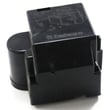
| Warm refrigerator, freezer OK | Weak airflow in fresh food section | Refrigerator condenser fan W11578915 |
| Noisy airflow or poor circulation | Fan blade damage or obstruction | Refrigerator evaporator fan blade WP2169142 |
| Ice maker not producing | Ice maker assembly issue | Complete icemaker assembly WPW10277450 |
| Water tastes off or slow flow | Clogged water filter | Refrigerator water filter EDR3RXD1 |
Why it matters
Cooling and ice maker complaints usually get worse over time. A refrigerator that cannot move heat efficiently (dirty coils, poor airflow, failing fan) runs longer, struggles to hold safe food temperatures, and can lead to frost buildup or leaks.
Where to confirm model-specific settings and access steps
For control settings, cleaning guidance, and safe access to service areas, follow the KBRC36FTS06 owner's manual.
Last updated: January 2026
What's the life expectancy of a KitchenAid refrigerator?
Most KitchenAid refrigerators last 14 to 17 years. A well-maintained 36 inch built-in model like KitchenAid KBRC36FTS06 reaches 15 to 20 years because steady cabinet ventilation, clean condenser airflow, and fast fixes for sealing or cooling issues reduce compressor run time.
Typical life expectancy (what to expect)
Built-in refrigerators are designed for long service life, but they run many hours per day and depend on proper airflow through the grille and condenser area.
| Refrigerator type | Typical life expectancy | Notes |
|---|---|---|
| Built-in (like KBRC36FTS06) | 15 to 20 years | Longest life when condenser stays clean and doors seal tightly |
| Freestanding | 10 to 15 years | More variation by room temperature and usage |
What shortens refrigerator life fastest
Catching these early prevents long run times and expensive sealed-system wear.
- Dirty condenser area causing high compressor run time
- Door not sealing (warm air leaks, frost, temperature swings)
- Blocked grille or poor cabinet ventilation
- Frequent door openings and long door-open time
- Ignoring early symptoms (clicking, warm temps, heavy frost)
Maintenance that adds years
We recommend these habits for the KBRC36FTS06 and other KitchenAid bottom-mount built-ins:
- Clean the condenser area on a regular schedule (more often with pets)
- Keep the grille and air paths clear so heat can leave the cabinet
- Replace the water filter on schedule to protect water flow and taste
- Keep temperatures steady (avoid setting controls colder than needed)
- Confirm the unit is level so doors close and seal consistently (built-ins are sensitive to leveling)
For model-specific care and ventilation requirements, follow the KBRC36FTS06 installation guide.
Parts that commonly affect performance over time
These parts do not “set” lifespan by themselves, but they often drive cooling complaints when they fail or get obstructed.
- Refrigerator water filter EDR3RXD1: helps maintain water quality and flow
- Refrigerator condenser fan W11578915: moves air across the condenser to remove heat
- Refrigerator temperature sensor WP2188820: helps the control maintain stable temperatures
Why it matters
A refrigerator that runs hot or runs constantly can still cool, but it ages faster. Keeping airflow open and temperatures stable reduces compressor stress and helps your KitchenAid built-in reach its full life expectancy.
Last updated: January 2026
Why is water collecting in the bottom of my KitchenAid refrigerator?
Water collecting in the bottom of your KitchenAid KBRC36FTS06 refrigerator is most often caused by a clogged or frozen defrost drain, so defrost water overflows into the fresh food compartment instead of draining to the pan underneath. Use the steps below; confirm access and safety notes in the KBRC36FTS06 installation guide.
Most common causes to check first
- Defrost drain clogged with food debris or sludge
- Defrost drain frozen from heavy frost or warm air leaks
- Door gasket not sealing causing excess moisture and icing
- Water filter area seepage that runs down to the bottom
- Water supply connection leak behind the unit
Quick fix: clear a clogged or frozen defrost drain
- Unplug the refrigerator or switch off the breaker.
- Remove the crisper drawers and bottom shelf; soak up standing water.
- If you see ice at the rear floor area, melt it with warm water and towels.
- Find the drain opening in the rear floor area; flush with warm water until it flows freely.
- Gently loosen debris with a flexible plastic tube or pipe cleaner.
- Verify water is reaching the drain pan underneath.
If it looks like a water system leak
- Reseat the filter and check for cracks at the cap and housing.
- Inspect the rear lower tubing connections for moisture.
- After adjustments, dispense water (if equipped) and watch for drips.
| What you notice | Most likely source | Best next step |
|---|---|---|
| Water after defrosting, ice near rear floor | Defrost drain restriction | Clear and flush the drain |
| Water near filter area | Filter, cap, or housing | Inspect and replace the leaking part |
| Drips behind unit | Supply line fitting | Tighten and recheck for leaks |
Parts that can help (when inspection points there)
- Replace a leaking or overdue filter with the refrigerator water filter EDR3RXD1.
- Replace a damaged cap with the refrigerator water filter cap (black) WP2260518B.
- Replace a cracked housing with the refrigerator water filter housing WPW10121140.
Why it matters
Standing water leads to odors, interior icing, and potential floor damage. Clearing the drain and stopping small leaks early also helps maintain stable temperatures and normal defrost operation.
Last updated: January 2026