Owner’s manual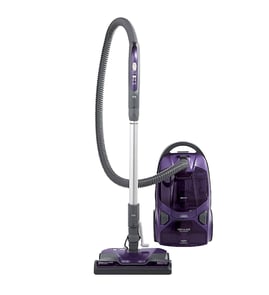

What is the best canister vacuum on the market today?
There is no single “best” canister vacuum for everyone; the best choice depends on your floors, allergies, and budget. If you already own the Kenmore canister vacuum model 11627612690, you can get top-tier results by keeping airflow open, using the right pile-height setting, and changing the dust bag when performance drops (details in the 11627612690 owner's manual).
How to choose the best canister vacuum for your home
Focus on the features that change real-world cleaning performance:
- Bagged vs. bagless: bagged models typically control dust better and keep suction more consistent as the bin fills.
- Filtration: look for sealed filtration and HEPA-level filtration if allergies or pet dander are a concern.
- Floor tool quality: a powered nozzle (Power-Mate style) cleans carpet better than straight suction alone.
- Suction control: helps prevent lightweight rugs and drapes from sticking (your Kenmore uses a suction control).
- Height adjustment: critical for deep pile, shag, and scatter rugs.
What “best” means by use case
| Your priority | What to look for | Why it matters |
|---|---|---|
| Allergies, fine dust | Bagged + strong filtration | Less dust exposure during emptying and use |
| Mostly carpet | Powered nozzle + height settings | Better agitation and deep cleaning |
| Mostly hard floors | Smooth hard-floor tool + suction control | Prevents snowplowing debris and sticking |
| Tight spaces | Hose swivel + compact canister | Easier maneuvering around furniture |
Getting the best performance from your Kenmore 11627612690
These steps often make an older canister vacuum perform like a “best on the market” unit again:
- Use slow, straight strokes with the Power-Mate for better pickup.
- Set the correct pile height; use higher settings for shag or deep pile to avoid shutdown.
- Keep airflow passages open; check common clog points periodically.
- Change the dust bag often; reduced airflow can trigger a performance indicator on some models.
- Use suction control for drapes and lightweight rugs; close it for upholstery and carpets.
Why it matters
Canister vacuums live or die by airflow. A full bag, a dirty filter, or a partial clog can make a premium vacuum feel weak, while a well-maintained Kenmore can deliver strong cleaning on both carpet and hard floors.
Last updated: January 2026
How long do canister vacuums last?
Most canister vacuums last 7 to 10 years with normal household use. With consistent care, a Kenmore canister vacuum like model 11627612690 can often run longer because routine maintenance (bag changes, filter cleaning, and clog checks) reduces motor strain; see the 11627612690 owner's manual for the exact care schedule.
Typical lifespan ranges
Lifespan depends most on airflow (bags, filters, clogs) and how hard the vacuum is worked (pet hair, thick carpet, long run times).
| Use and maintenance level | Typical lifespan | What usually ends the vacuum’s life |
|---|---|---|
| Light use, basic upkeep | 7 to 10 years | Worn brush/belt system, electrical wear |
| Regular use, good upkeep | 10 to 15 years | Motor wear from heat or restricted airflow |
| Heavy use, poor upkeep | 3 to 7 years | Motor damage from clogs, full bag, dirty filters |
What to do to make it last longer
We recommend these habits because they protect the motor and the Power-Mate brush system.
- Change the dust bag before it gets overfull; restricted airflow makes the motor run hotter.
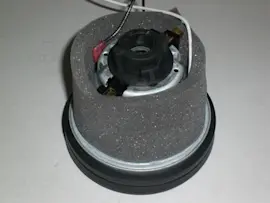
- Clean or replace the motor safety filter on schedule (the manual includes motor safety filter cleaning guidance).
- Watch for reduced pickup; it often means a clog, a full bag, or a dirty filter.
- If the brush slows or stops, clear the jam and reset the overload protector (the canister motor can keep running while the Power-Mate shuts off).
- Unplug before servicing the brush area; the brush can restart suddenly.
- Rewind the cord carefully while holding the plug to prevent cord and plug damage.
Quick “replace vs. repair” checklist
Use this to decide whether maintenance is enough or if a repair is likely needed.
- Worth maintaining/repairing: strong suction returns after bag and filter service, cord rewinds smoothly, no burning smell.
- Likely needs repair soon: frequent brush shutoffs, persistent low suction after bag and filter service, unusual motor noise.
- Often not economical: repeated electrical issues (intermittent power), severe motor overheating, heavy internal arcing smell.
Why it matters
A canister vacuum’s motor relies on steady airflow for cooling. Keeping bags and filters maintained helps your Kenmore 11627612690 clean better today and prevents premature motor wear over the years.
Last updated: January 2026
Is Kenmore still a good vacuum?
Yes. Kenmore vacuums are still a good choice when you match the vacuum to your floors and keep up with basic maintenance; the Kenmore canister vacuum model 11627612690 is designed for household use and includes care steps in the 11627612690 owner's manual.
What “good” means for a canister vacuum
A good canister vacuum delivers consistent suction, seals air well (bag and filters), and keeps the brush roll and belt working correctly. For many homes, Kenmore canisters perform well on mixed flooring when they are assembled correctly and maintained.
Common strengths customers like
- Strong suction for rugs and hard floors when airflow is clear
- Versatile cleaning with hose and attachments for above-floor areas
- Canister design that can feel lighter in-hand than an upright
- Serviceable wear items (bag, filters, belt, brush roll) that restore performance
Common drawbacks to plan for
- Bulkier storage than a stick vacuum
- Hair and string can wrap the brush roll and reduce pickup
- A clogged hose, full bag, or dirty filter can make it feel “weak” quickly
Quick performance check (no tools)
Use this checklist to judge whether your Kenmore is performing like it should:
- Bag is not full and is seated correctly
- Motor safety filter is clean and installed properly
- No clogs in the hose, wand, or floor nozzle
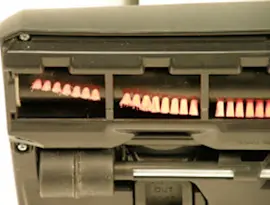
- Brush roll spins freely and bristles are not worn down
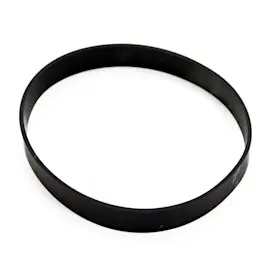
- Belt is not stretched, slipping, or broken
Maintenance that keeps a Kenmore vacuum “good”
The owner’s manual for model 11627612690 covers routine care such as bag changes, motor safety filter cleaning, and belt and brush cleaning. Use it as your schedule.
| Maintenance item | Typical symptom when overdue | Typical interval |
|---|---|---|
| Replace bag | Loss of suction, dusty smell | When 1/2 to 2/3 full |
| Clean/replace filters | Reduced airflow, overheating | Monthly to quarterly |
| Clean brush roll and check belt | Poor carpet pickup, brush not turning | Monthly (more with pets) |
Why it matters
Most “bad vacuum” complaints come from restricted airflow (bag, filters, clogs) or a worn belt/brush roll, not the motor. Keeping airflow and the brush system healthy is what preserves suction and carpet cleaning.
Last updated: January 2026
What are the disadvantages of a canister vacuum?
Canister vacuums (including Kenmore model 11627612690) clean very well, but the separate canister, hose, and wand make them less convenient for quick pickups and tighter storage. They also require more attention to hose management, cord rewinding, and safe placement (especially on stairs). See the 11627612690 owner's manual for model-specific use and safety details.
Common disadvantages (what owners notice most)
- Bulkier storage: You store a canister plus a hose, wand, and floor nozzle.
- More to maneuver: You pull the canister behind you; it can bump furniture and door frames.
- Stairs can be awkward: The canister must be placed carefully; if it shifts, it can cause damage or injury.
- Cord rewind requires care: The cord rewinds quickly, so you need a clear path and should hold the plug while rewinding.
- Hose twisting and drag: The hose can twist if you pull the canister without checking the swivel.
- More “setup time”: Switching between carpet, hard floors, and attachments can take longer than an upright.
How to reduce the downsides on the 11627612690
Handling and cleaning technique
- Use slow, straight push-pull strokes on carpet for better pickup (fast, jerky strokes clean worse).
- Check the hose for twisting before pulling the canister.
- Use suction control to reduce pull on lightweight rugs and increase suction for carpet and upholstery.
Safety and convenience tips
- Place the canister on a stable step or landing when cleaning stairs.
- Unplug before checking for clogs or cleaning brush areas.
- Keep children away during cord rewind; hold the plug as the cord retracts.
Quick comparison: canister vs upright
| Feature | Canister vacuum | Upright vacuum |
|---|---|---|
| Storage footprint | Larger (multiple pieces) | Usually smaller (one main body) |
| Quick cleanups | Slower to grab and go | Faster for many homes |
| Under-furniture reach | Often better (wand and hose) | Often limited by body height |
| Stairs | Can be tricky to place safely | Often easier to carry as one unit |
Why it matters
Most “disadvantages” come down to convenience and handling, not cleaning power. If you manage the hose, suction control, and cord rewind correctly, a canister vacuum like the Kenmore 11627612690 stays versatile and effective across carpets, rugs, and tight spaces.
Last updated: January 2026