Owner’s manual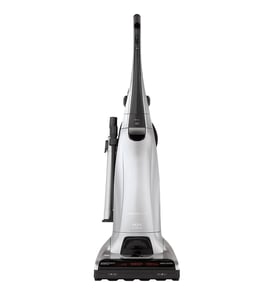


What is the number one rated upright vacuum cleaner?
There is no single, permanent “number one” upright vacuum cleaner; top ratings change year to year based on testing and what matters most (pet hair pickup, hard-floor performance, filtration, noise, and durability). If you already own a Hoover UH70832, keeping the brushroll, belt, and filters maintained often delivers “top-tier” cleaning results in real homes.
When you see “#1 rated,” check what the rating is actually measuring. The best upright vacuum for you depends on flooring, pets, and how you clean.
- Carpet vs. hard floors: Look for height control and a hard-floor setting.
- Pet hair: Prioritize strong agitation and easy brushroll cleaning.
- Allergies: Prefer sealed airflow and HEPA-level filtration (if offered).
- Maintenance: Easy access to the brushroll, belt, and filters matters.
- Weight and handling: A heavier vacuum can clean well but feel harder to push.
Your UH70832 includes carpet height adjustment and is designed to keep cleaning performance strong when set correctly.
| What you care about | What to look for in “top-rated” lists | What to do on UH70832 |
|---|---|---|
| Deep carpet cleaning | Adjustable height, strong brushroll agitation | Set height to LOW for most carpets; raise one notch if it is hard to push (per the owner's manual) |
| Hard floors | Hard-floor mode or brushroll control | Turn the dial to Hard Floor when on bare floors (per the owner's manual) |
| Pet hair pickup | Anti-tangle brushroll, strong suction | Keep the brushroll clear; replace a stretched or broken belt when the brushroll stops spinning |
“Best” ratings are usually a mix of lab tests and reviewer preferences. In day-to-day use, correct height settings, clear airflow, and a working brushroll belt often make a bigger difference than brand name alone.
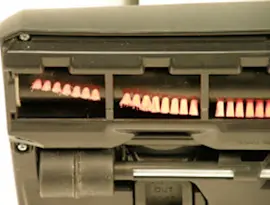
The brushroll can continue to rotate even with the handle upright on many uprights, including this Hoover design.
- Keep fingers, hair, and loose clothing away from moving parts.
- Avoid tipping the vacuum onto rugs or furniture during tool use.
- Unplug before clearing clogs or checking the brushroll area.
Last updated: February 2026
What is the life expectancy of a Hoover vacuum?
A Hoover upright vacuum like model UH70832 typically lasts 8 years with normal household use. Regular maintenance (cleaning filters, clearing clogs, and replacing worn belts and brushroll parts) is what most often determines whether it reaches that full lifespan.
Most upright vacuums fall into a predictable range based on use and upkeep:
- Typical life expectancy: about 8 years
- Heavy use (pets, large homes, daily vacuuming): often 5 to 7 years
- Light use with consistent care: often 9 to 12 years
- Biggest life-shorteners: running with clogs, dirty filters, and worn belts/brushroll
For model-specific maintenance intervals and care steps, follow the owner's manual.
If you see these symptoms repeatedly after basic maintenance, the vacuum is usually nearing replacement time:
- Suction stays weak even after clearing the air path and cleaning filters
- Brushroll stops spinning or intermittently stalls (often belt or brushroll wear)
- Burning smell from the nozzle area (belt slip, jam, or brushroll drag)
- Frequent shutoffs during use (overheating from restriction or motor strain)
- Loud grinding or high-pitched motor noise that returns quickly
| What you notice | Most common cause | Typical fix |
|---|---|---|
| Brushroll not spinning | Belt worn, stretched, or broken | Replace belt; clear debris |
| Poor pickup on carpet | Clog, dirty filter, brushroll wear | Clean air path; service brushroll |
| Vacuum shuts off | Overheating from restriction | Clear blockage; clean filters |
| Persistent loud motor noise | Motor wear | Motor replacement or vacuum replacement |
A vacuum that runs with restricted airflow or a slipping belt works harder than it should; that extra heat and load shortens motor life and can turn a small maintenance issue into a major repair.
Last updated: February 2026
What is the best inexpensive upright vacuum?
If you want an inexpensive upright vacuum, the “best” choice is the one that matches your floors and maintenance comfort level. For many homes, a budget corded upright with a brushroll and height adjustment performs best on carpet; your Hoover UH70832 already has carpet height adjustment and above-floor tools (see the owner's manual).
- Floor type first: carpet needs an active brushroll; hard floors do better with a hard-floor setting or brushroll control.
- Maintenance tolerance: bagless models need frequent dirt cup emptying and filter cleaning.
- Brushroll and belt access: easier access means you will actually clear hair and replace belts on time.
- Height adjustment: helps on thick carpet and reduces push effort.
- Hose and tool use: important for stairs, upholstery, and edges.
| If your home has... | Prioritize | Why it helps |
|---|---|---|
| Mostly carpet | Brushroll + height adjustment | Better agitation and pickup on pile |
| Mostly hard floors | Hard-floor setting and good sealing | Reduces scatter and improves suction |
| Pets and long hair | Easy brushroll cleaning | Prevents jams and belt strain |
| Lots of stairs | Stable base + usable hose/tools | Safer, more effective above-floor cleaning |
Your UH70832 can clean well when it is set up and maintained correctly.
- Set the carpet height to LOW for most carpets; move to a higher setting if it is hard to push.
- Use the Hard Floor setting for bare floors.
- Keep the dirt cup emptied and filters clean.
- Clear hair and string from the brushroll and check the belt if the brush slows or stops.
For step-by-step DIY help, use vacuum brush roll on spinning and how to replace a vacuum beater bar.
Most “budget vacuum” complaints come from airflow restrictions (full cup, dirty filters, clogged hose) or a brushroll and belt issue, not from the vacuum being underpowered. Regular maintenance keeps suction and carpet agitation where they should be.
Last updated: February 2026
What are common Hoover vacuum problems?
Common problems we see on the Hoover UH70832 upright vacuum are low suction, the brushroll not spinning, the vacuum shutting off or overheating, and unusual noise or odor. Most of these start with a full dirt cup, dirty filters, a clog, or a worn belt, and they are usually fixed with basic cleaning and inspection steps from the UH70832 owner's manual.
- Unplug the vacuum before servicing.
- Empty the dirt cup and re-seat it fully.
- Clean the rinsable filter and the filter made with HEPA media (maintenance is called out in the manual).
- Check the hose is installed correctly and not blocked.
- Inspect the brushroll area for hair and string; clear tangles.
- Rotate the brushroll by hand to confirm the belt is not twisted.
| Symptom | Most likely cause | What to do first |
|---|---|---|
| Low suction or won’t pick up | Full dirt cup, dirty filters, clog, hose not seated | Empty cup, clean filters, check hose and airflow path |
| Brushroll won’t spin | Belt worn/broken, brushroll jammed, belt twisted | Clear debris, check belt routing, replace belt if worn |
| Shuts off during use | Overheating from restricted airflow | Clean filters, remove clogs, let it cool before restarting |
| Red system check light | Airflow restriction or filter issue | Clean filters and check for blockages |
| Burning smell/smoke odor | Belt slipping, brushroll jam, debris in power head | Stop use, clear jam, inspect belt and brushroll |
A vacuum like the Hoover UH70832 depends on steady airflow and a free-spinning brushroll. When filters clog or the brushroll area jams, suction drops, the belt can slip, and the motor can run hotter than normal, which leads to shutdowns and premature wear.
- Vacuum symptoms landing page
- Vacuum brush roll on spinning
- Vacuum not suctioning well
- Vacuum shuts off during use
Last updated: February 2026