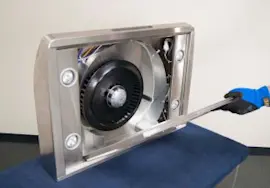
Installation guide
 Owner’s manual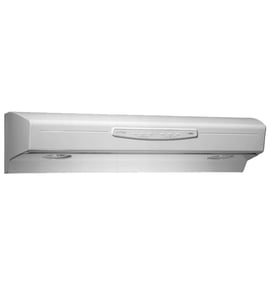




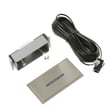
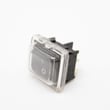
Does GE make range hoods?
Yes. GE makes range hoods, including custom hood inserts like the GE ZVC36L3SS, designed to vent cooking smoke, steam, and odors to the outdoors and provide task lighting over your cooktop.
What to know about GE range hoods (including ZVC36L3SS)
GE range hoods are built around a few core functions: ventilation, lighting, and easy-to-use controls.
- Venting is designed to exhaust air outdoors (not into the attic or another enclosed space).
- Installation height is typically 30 inches minimum to 36 inches maximum above the cooking surface.
- Ductwork is typically rigid metal; flexible plastic ducting is not used.
- Many installations use a wall or roof cap with a damper at the exterior opening.
- Controls commonly “cycle” through fan and light settings and can remember the last setting.
Quick spec snapshot (common install requirements)
| Item | Typical requirement for this GE insert style | Why it matters |
|---|---|---|
| Mounting height | 30 in min, 36 in max above cooktop | Captures smoke effectively and meets clearance rules |
| Venting | Outdoors | Prevents moisture and odors from staying in the home |
| Duct type | Rigid metal preferred | Improves airflow and reduces noise |
| Max duct length | Up to 100 ft equivalent length | Longer runs reduce performance |
Why it matters
Choosing a GE range hood that matches your cooking style and duct layout helps prevent lingering odors, reduces grease buildup on cabinets, and keeps airflow strong. For the ZVC36L3SS, following the documented clearances and duct guidance is the difference between “it runs” and “it actually vents well.”
Where to confirm details for your exact setup
Use these documents to match your cabinet, duct route, and clearances to the ZVC36L3SS requirements:
Last updated: February 2026
What are the parts of a range hood called?
A range hood is made up of the hood body (canopy/liner), the venting and damper parts, the blower (fan and motor), the controls (switches), the lights, and the grease filters. On the GE ZVC36L3SS, these are the core components you service most often.
Common range hood part names (and what they do)
- Hood canopy or hood liner: the main metal body that captures smoke and grease
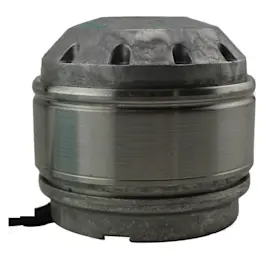
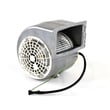
- Blower assembly (fan and motor): pulls air through the hood and pushes it into the duct
- Damper plate: helps prevent outside air from flowing back into the kitchen when the hood is off
- Ducting and outlet flange: routes air to the outdoors (this model is designed to vent outdoors)
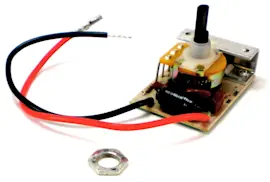
- Control panel and switches: turn the fan on/off and change speeds
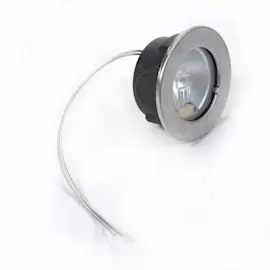
- Lights and light socket hardware: illuminate the cooktop
- Metal grease filters: trap grease before it reaches the blower and ductwork
ZVC36L3SS examples of parts you may see listed
| Part group | Example part name | Example part ID |
|---|---|---|
| Filters | Range hood grease filter | WB02X11304 |
| Fan/motor | Range hood fan motor assembly | WB26X31760 |
| Controls | Main switch | WB24X10162 |
| Lighting | Range hood light bulb | WB08X10052 |
Why the names matter when ordering parts
Using the correct part name helps match the symptom to the right repair. For example, poor airflow often points to a dirty grease filter or a venting restriction, while a dead fan can point to a switch or fan motor.
Quick tips for identifying what you need
- Match the symptom first (airflow, noise, lights, or controls)
- Check whether the issue is in the filter, blower, or switching
- Confirm the part location and removal steps in the ZVC36L3SS owner’s manual
- Use the ZVC36L3SS installation guide to understand venting, damper, and clearance terminology
- If you are replacing a common wear item, start with the range hood grease filter WB02X11304
Last updated: February 2026
What is the difference between a range hood and a range hood insert?
A full range hood is a complete, finished appliance with its own visible shell (and sometimes a chimney) that mounts to the wall or ceiling. A range hood insert is the built-in “working” unit (blower, lights, filters, controls) designed to fit inside a custom canopy or cabinet for a seamless, built-in look; see the ZVC36L3SS installation guide for how inserts are sized and mounted.
Quick comparison
| Feature | Full range hood | Range hood insert (like GE ZVC36L3SS) |
|---|---|---|
| What you see | Finished exterior is part of the product | Custom cabinet or canopy is what you see |
| What you buy | One complete hood assembly | Insert sleeve plus liner and mechanical components |
| Best for | Fast, straightforward design choices | Custom kitchens and built-in styling |
| Installation focus | Mounting the hood and ducting | Building the canopy opening, then installing the insert |
How an insert changes the installation
With an insert, the cabinet or canopy is built to fit the insert sleeve and liner, and the hood is typically installed 30 inches minimum to 36 inches maximum above the cooking surface (measured to the bottom edge of the metal liner or cabinet surface). The insert also must be vented outdoors using metal ductwork.
Key insert-specific details we see for this style of hood:
- The canopy opening must be built to the insert’s required width and depth (varies by model family).
- The insert sleeve flange and locking clips need solid surrounding material (commonly 3/4-inch thick).
- The exhaust outlet may be offset (not centered), which can affect canopy layout.
- Controls can sometimes be mounted remotely using the supplied wiring length.
Which one should you choose?
- Choose a full range hood if you want an all-in-one product with a finished exterior and fewer custom-cabinet requirements.
- Choose an insert if you want a custom look and you are building (or already have) a canopy or cabinet enclosure.
- If you cook at high heat often, prioritize strong ventilation and proper ducting over appearance.
- Plan for service access: inserts still need filter removal and periodic cleaning.
Why it matters
The “hood vs. insert” decision affects your cabinet design, duct routing, and installation clearances. Getting the right style up front prevents fit issues and helps the fan and filters perform correctly.
Last updated: February 2026