Installation guide
 Owner’s manual
 Error Codes


What is the disadvantage of a side-by-side fridge?
The biggest disadvantages of a side-by-side refrigerator (including the GE ZISS480NMC) are narrower shelf space for wide items, less flexible fresh-food storage than many bottom-freezer styles, and more bending to reach items because both compartments run top-to-bottom. See the owner's manual for layout and use tips specific to your unit.
Common drawbacks you will notice day to day
- Wide items do not fit as easily: pizza boxes, party platters, and large baking sheets can be awkward on narrow shelves.
- Fresh-food space can feel tighter: the refrigerator side is typically narrower, so bulky produce bins and large containers take up space quickly.
- More up-and-down reaching: you often store frequently used items at mid-level, but you still reach high and bend low in both sections.
- Dispenser features add complexity (if equipped): ice and water systems add components that can need maintenance (filters, valves, lines).
- Door clearance matters: two tall doors can require more side clearance in tight kitchens.
Side-by-side vs other common layouts (quick comparison)
| Layout | Best at | Main tradeoff |
|---|---|---|
| Side-by-side | Easy access to freezer items at eye level; narrow door swing | Narrow shelves; wide items are harder to store |
| Bottom freezer | Large fresh-food area at eye level | Freezer items require bending |
| French door | Wide fresh-food shelves for platters | Often more parts and higher purchase cost |
Why it matters
Choosing a layout affects how efficiently you can store groceries and how often doors stay open. Longer door-open time can make temperatures swing, which can impact food quality and ice production over time.
Tips to reduce the disadvantages
- Use slim bins to group snacks and condiments on narrow shelves.
- Store wide items in the fresh-food section by removing one shelf temporarily (when safe and practical).
- Keep frequently used items at mid-shelf height to reduce bending.
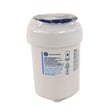
- If you use the dispenser, replace the water filter on schedule; the correct filter for this model is the refrigerator water filter MWFP.
Last updated: February 2026
What are the benefits of a 400 liter fridge?
A 400-liter refrigerator gives you a strong balance of storage capacity and day-to-day usability: it holds a large grocery load, supports better organization, and reduces overcrowding that can block airflow and cause uneven cooling. For built-in models like the GE ZISS480NMC, planning the installation space is just as important as capacity (see the installation guide).
Key benefits you actually notice
- More usable storage for weekly shopping, meal prep, and bulk items.
- Better organization with dedicated zones (deli, produce, and specialty drawers) so food is easier to find.
- More consistent temperatures because shelves and bins are not packed tight against air outlets.
- Fewer odors and spoilage issues since items are less likely to get lost in the back.
- Entertaining-friendly space for platters, beverages, and party prep.
Capacity vs. fit: what to check before you buy or install
“400 liters” describes internal volume, but built-in refrigerators are usually planned by cutout width, height, and depth. For the ZISS480NMC family, the installation guide calls out a 24-inch cutout depth for flush-style installs and a finished cutout height range of about 83-1/2 inches to 84-1/2 inches (using leveling legs and wheels).
| What you’re comparing | What it tells you | Why it matters |
|---|---|---|
| Liters (L) | Interior storage volume | How much food fits overall |
| Shelf and drawer layout | How space is divided | How easy it is to organize and access food |
| Cutout dimensions | Cabinet opening requirements | Whether the refrigerator fits your kitchen |
Why it matters for food quality
When a refrigerator is overfilled, cold air cannot circulate correctly. A larger-capacity unit helps you store food with space around it, which supports steadier cooling and helps produce and deli items last longer.
For storage feature details (like sealed deli and produce pans and climate-control drawer use), use the owner's manual.
Last updated: February 2026
Are side-by-side refrigerators good?
Yes. A side-by-side refrigerator like the GE ZISS480NMC is a strong choice when you want easy access to both fresh food and frozen items at eye level, plus a narrow door swing. The main tradeoff is reduced width for large platters and wide items.
What side-by-side does best
- Keeps freezer shelves and bins at convenient heights (less bending)
- Fits tighter walkways because doors don’t swing out as far as many French-door models
- Makes it easy to organize frozen foods with multiple shelves
- Often includes through-the-door ice and water (model dependent)
Common downsides to plan for
- Narrower compartments can make wide pizza boxes, sheet cakes, and party trays harder to fit
- Freezer side can feel tight for bulky items (turkeys, large bags of ice)
- More door bins and shelves means more surfaces to keep clean
Quick comparison
| Feature | Side-by-side (like ZISS480NMC) | French door | Top freezer |
|---|---|---|---|
| Fresh food access | Good | Excellent | Fair |
| Freezer organization | Excellent | Good | Fair |
| Fits narrow aisles | Good | Fair | Good |
| Wide-item storage | Fair | Good | Fair |
Why it matters for built-in models
Built-in side-by-side units are chosen as much for kitchen fit and door clearance as for storage. For the ZISS480NMC family, the installation guide focuses on proper fit, grounding, and panel considerations, which are key to long-term performance and safe operation. Use the installation guide to confirm clearances and any custom panel requirements before committing.
Tips to make a side-by-side work better
- Store wide items on adjustable shelves (remove one shelf temporarily when needed)
- Use bins for categories (breakfast, snacks, frozen vegetables) to reduce “lost” items
- Keep airflow paths clear so temperatures stay even (avoid overpacking)
- If you have dispenser or water features, stay on schedule with filter changes; the refrigerator water filter MWFP supports better taste and flow
Last updated: February 2026
What is the most reliable side-by-side refrigerator?
For long-term reliability, we recommend prioritizing a simpler side-by-side design with proven serviceability and strong parts support. GE side-by-side refrigerators, including built-in platforms like model ZISS480NMC, are a solid reliability-focused choice when they are installed correctly and maintained per the owner's manual.
What “most reliable” usually means (and what to look for)
Reliability is mostly about fewer failure points and easier cooling airflow management.
- Choose fewer “extras” (complex dispenser and ice features add failure points)
- Keep condenser and airflow paths clean and unobstructed
- Use the correct water filtration and replace it on schedule
- Avoid overpacking; blocked vents cause warm spots and longer run times
- Install it correctly; built-in units are sensitive to leveling and clearances
Reliability checklist for a built-in side-by-side like GE ZISS480NMC
Built-in side-by-sides depend heavily on correct installation and cabinet integration.
- Confirm the unit is properly grounded and leveled
- Verify the water line is installed correctly and does not kink
- Make sure door panels, trims, and dispenser trim thickness match the design guide limits
- Keep door seals clean so the compressor does not run excessively
- Replace the water filter regularly to protect the water valve and ice maker fill system
Parts that most often affect “reliability” over time
These are common wear or performance parts that can prevent bigger problems when kept in good shape.
| System | What you notice | Example part for this model |
|---|---|---|
| Water and ice | Slow fill, no ice, weak dispenser flow | Refrigerator water filter MWFP |
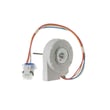
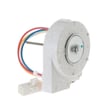
| Cooling airflow | Warm refrigerator section, noisy fan | Dc evaporator motor WR60X10185 |
| Temperature sensing | Temps swing, inconsistent cooling | GE profile refrigerator temperature sensor WR55X10025 |
| Defrost control | Frost buildup, reduced airflow | Refrigerator defrost bi-metal thermostat WR50X10035 |
Why it matters
A “reliable” side-by-side is one that holds steady temperatures with minimal strain on the sealed system. Correct installation, clean airflow, and routine filter changes reduce compressor run time and help prevent nuisance failures.
Helpful DIY guidance
- Use our how to replace the water filter in a GE refrigerator steps to keep water flow strong and reduce valve issues.
- If you see error messages or unusual behavior, check GE refrigerator error codes to narrow down the system involved.
Last updated: February 2026
What is the most common problem with a GE refrigerator?
The most common GE refrigerator complaint is not cooling correctly (fresh food too warm, freezer too warm, or temperatures that do not match the setting). On the GE ZISS480NMC, the most frequent causes are airflow and door issues, heavy use, or normal stabilization time after changes; see the owner's manual problem solver for model-specific checks.
Most common symptoms we see (and what they usually mean)
- Fresh food or freezer too warm: controls not set cold enough, frequent door openings, or a door held open by packaging
- Runs a long time or cycles often: normal after plugging in, after adding warm food, or during hot weather
- Rattling or vibration: often the refrigerator is not level
- Strange noises: many are normal (fans, defrost water dripping, refrigerant gurgling)
- Ice or water issues: commonly a clogged filter or air trapped in the water line
Quick checks for GE ZISS480NMC (before replacing parts)
- Give it time after changes: after first plug-in or major temperature changes, allow 24 hours for temperatures to stabilize.
- Confirm doors seal and close fully: remove items that hold the door open; check for gaps.
- Reduce door openings: frequent openings quickly warm the compartments.
- Check temperature settings: avoid leaving controls at OFF; set to a normal mid-range and recheck after 24 hours.
- If water or ice is weak: replace a clogged filter or use the bypass plug; then purge air by dispensing water for a few minutes.
Common causes and the best next step
| Problem you notice | Most likely cause | Best next step |
|---|---|---|
| Too warm in fresh food/freezer | Door left open, frequent openings, warm food added | Correct door/usage issues; wait 24 hours |
| Long run times | Hot weather, heavy use, recent plug-in | Normal; verify temps after 24 hours |
| Water dispenser slow/no water | Filter clogged or air in line | Replace refrigerator water filter MWFP; purge air |
| Clicking/buzzing during ice fill | Water valve energizing | Normal unless no fill occurs |
| Rattling/vibration | Unit not level | Level the refrigerator per the installation guide |
Why it matters
Cooling and airflow problems can look like a “bad refrigerator,” but on built-in models like the GE ZISS480NMC they are often caused by door sealing, leveling, and stabilization time. Fixing those first prevents unnecessary part replacement and helps protect food temperatures.
Last updated: February 2026