



What does 530 mean?
On a GE GSD530X-72WW dishwasher, “530” is part of the model number family identifier; it helps distinguish this GE series from other dishwasher designs and parts lists. It is not an error code or a diagnostic message by itself.
Where you’ll see “530” and what it’s used for
- On the model tag (often on the tub frame or door edge)
- In parts diagrams and parts lists for the GSD530X series
- When matching replacement parts (pump, racks, spray arm, valve)
- In service references that group similar GE dishwasher platforms
“530” vs. error codes (important difference)
“530” is a model-series reference. Error codes are shown by the control (lights, beeps, or a code display on electronic models).
| If you see… | It usually means… | What to do next |
|---|---|---|
| “GSD530X-72WW” on the tag | Model identification | Use the full model number when ordering parts |
| A flashing pattern or code during a cycle | A fault condition | Check the troubleshooting steps for that symptom |
| Poor cleaning, not draining, leaking | A performance problem | Inspect common wear parts and clogs |
Why it matters
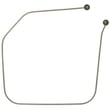
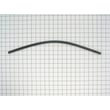
Using the full model number (GSD530X-72WW) prevents ordering the wrong GE dishwasher parts. Small series differences can change fitment for items like the spray arm WD22X154 or drain hose WD24X10014.
Quick tip for parts matching
When you search or order, use the entire model number including the suffix (for example, “-72WW”), not just “530”.
Last updated: February 2026
What is the most common problem with a GE dishwasher?
The most common GE dishwasher problems are the dishwasher not starting, not draining, or not cleaning well. On the GE GSD530X-72WW, these symptoms usually trace back to a door-latch issue, a drain restriction, or a wash system problem such as a worn pump, spray arm, or water valve.
Most common symptoms and what they usually mean
- Won’t start: door not fully latched, power issue, or a failed switch
- Won’t drain: clogged drain path, kinked drain hose, or a drain solenoid problem
- Not cleaning: blocked spray arm holes, weak wash pump, or low water fill
- Leaks: door seal wear or a loose clamp/hose connection
- Not drying: heater issue or rinse-aid dispenser problem
Quick checks we recommend first (no parts needed)
- Confirm the door closes firmly and the latch engages.
- Cancel the cycle and try a drain; listen for the drain motor/solenoid action.
- Check the sink drain/disposal connection for a blockage (common after a disposal install).
- Inspect the bottom of the tub for standing water and debris around the sump area.
- Spin the spray arm by hand; it should turn freely and the holes should be clear.
Parts that commonly fix these problems on GSD530X-72WW
If basic checks point to a component failure, these model-matched parts are common solutions:
| Symptom | Common part to check/replace | Why it matters |
|---|---|---|
| Not draining | Drain hose WD24X10014 | A restricted or leaking hose prevents proper drain flow |
| Not draining | Solenoid WD21X802 | Controls the drain mechanism on many GE designs |
| Not cleaning | Spray arm WD22X154 | Clogged or cracked arms reduce spray pressure |
| Not filling/poor wash | Water valve WD15X93 | Low fill leads to weak wash action |
| Loud/weak wash | Mechanism WD26X10013 | Pump and motor issues reduce circulation and cleaning |
Why it matters
A dishwasher that won’t start, won’t drain, or won’t clean usually gets worse over time. Fixing the root cause early helps prevent repeat clogs, standing water odors, and extra strain on the pump and motor.
Last updated: February 2026
Is it worth repairing a GE dishwasher?
Yes, repairing a GE dishwasher is worth it when the unit is under about 10 years old and the fix is a common, contained repair (leak, drain problem, poor cleaning) rather than repeated major failures. For the GE GSD530X-72WW, many frequent issues are solved with serviceable parts like hoses, seals, valves, and wash components.
Quick rule of thumb (repair vs. replace)
Use these practical checkpoints to decide:
- Age: Under ~10 years usually favors repair; 10+ years often favors replacement.
- Repair cost: If the repair is under ~50% of the cost of a comparable new dishwasher, repair is typically the better value.
- Failure type: Leaks, draining, filling, and cleaning issues are often straightforward; repeated motor or electrical failures push toward replacement.
- Frequency: One repair in several years is normal; multiple repairs in a short period usually means the machine is nearing end-of-life.
- Condition: If racks are rusting, door is sagging, or tub is damaged, replacement is usually the better long-term move.
Common repairs that are usually “worth it”
These are typical, high-impact fixes that often restore performance:
- Drain problems: replace a clogged or cracked drain hose WD24X10014 or a sticking solenoid WD21X802
- Leaks at the door: replace a worn door gasket WD8X229
- Not filling or slow fill: replace a failing water valve WD15X93
- Poor cleaning: inspect and replace a damaged spray arm WD22X154
- Not drying well: check the heater circuit and consider replacing the elem htg asm WD05X26780
Cost and effort comparison
| Scenario | Typical outcome | Usually worth repairing? |
|---|---|---|
| Single leak or drain issue | One part replacement, quick recovery | Yes |
| Poor cleaning from worn spray parts | Better wash performance after part swap | Yes |
| Major wash motor failure | Higher parts cost and labor | Sometimes |
| Multiple problems at once on an older unit | More downtime and repeat repairs | No |
Why it matters
A dishwasher repair makes sense when it restores reliability for several more years at a reasonable cost. Targeting the root cause (leak source, drain restriction, wash circulation) prevents repeat breakdowns and protects cabinets and flooring.
Helpful troubleshooting resources
If your dishwasher is showing a code or acting erratically, use GE dishwasher error codes to narrow the problem before ordering parts.
Last updated: February 2026
What is the average lifespan of a GE dishwasher?
Most GE dishwashers, including the GE GSD530X-72WW, last 10 to 12 years with normal household use. With consistent cleaning and prompt repair of leaks or draining problems, it’s common to reach the upper end of that range.
Typical lifespan and what changes it
A dishwasher’s life is mostly determined by water quality, how often it runs, and whether wash and drain problems are fixed early.
- 10 to 12 years: typical lifespan for a GE dishwasher
- Shorter lifespan: heavy daily use, hard water scale, chronic clogs, or recurring leaks
- Longer lifespan: regular cleaning, correct detergent use, and replacing worn parts before they cause bigger damage
Maintenance that extends life (simple, high impact)
We recommend these habits for the GSD530X-72WW and most GE dishwashers:
- Clean the sump area and remove debris that can block circulation
- Run hot water at the sink before starting a cycle (helps fill temperature)
- Keep the spray path clear; don’t block the lower spray arm
- Use the right amount of detergent (too much can leave residue)
- Inspect for leaks and address them quickly (door seal, hoses, pump seals)
Parts that commonly affect lifespan
When performance drops, these parts are often involved. Replacing the right part early can prevent motor strain, leaks, and repeat clogs.
| Symptom | Common cause | Example part for this model |
|---|---|---|
| Not draining | Clog, failed drain solenoid, restricted hose | Drain hose WD24X10014 |
| Poor cleaning | Spray arm blockage or wear | Spray arm WD22X154 |
| Leaking at door | Worn or deformed door seal | Door gasket WD8X229 |
| Weak wash or noisy pump | Worn pump/motor assembly or seal | Mechanism WD26X10013 |
Why it matters
A dishwasher near the end of its lifespan often shows small symptoms first (slow draining, noisy wash, minor leaks). Fixing those early helps protect the pump and motor, reduces water damage risk, and keeps cycles consistent.
For troubleshooting help specific to GE dishwashers, we use the error code guidance in GE dishwasher error codes.
Last updated: February 2026
What are the commonly replaced parts in a dishwasher?
In a GE dishwasher like model GSD530X-72WW, the most commonly replaced parts are the ones that move water, seal water, or handle heat and dispensing. When these wear out, you typically see symptoms like poor cleaning, leaks, no draining, or no heat.
Commonly replaced dishwasher parts (and what they affect)
- Spray system parts: spray arms and related components; poor cleaning or weak spray
- Drain parts: drain hose, drain solenoid; standing water or slow draining
- Water fill parts: water inlet valve; not filling or underfilling
- Seals and gaskets: door gasket, pump seals; leaks at the door or underneath
- Heating parts: heating element; not drying, cool water, poor wash results
- Racks and rack hardware: racks, rollers, slides; rack falls off track or won’t roll smoothly
- Detergent and rinse aid parts: dispenser cover, dispenser shaft, rinse-aid dispenser; detergent door won’t open or spotting/filming
Model-specific examples you can replace on GSD530X-72WW
These are common wear items we see customers replace on this model:
| Symptom | Likely part type | Example part on this model |
|---|---|---|
| Dishwasher won’t drain | Drain system | Drain hose WD24X10014, solenoid WD21X802 |
| Leaks during or after cycle | Seals/gaskets | Door gasket WD8X229, shaft seal WD8X181 |
| Dishes not getting clean | Spray/wash system | Spray arm WD22X154, mechanism WD26X10013 |
| Not drying well | Heating | Elem htg asm WD05X26780 |
| Rack won’t roll or is damaged | Rack hardware | Rack roller WD12X271, rack asm lwr WD28X31819 |
Why these parts fail most often
These components do the hardest work in every cycle, so they wear faster than the tub or frame.
- Food debris and grease can clog drain paths and spray ports
- Hard water minerals can restrict valves and spray performance
- Heat and detergent slowly stiffen rubber seals
- Heavy loading and impact bends racks and wears rollers
A quick way to narrow it down before buying parts
- Standing water: check the drain path and drain hose routing first
- Leak at the door: inspect the door gasket for tears, flattening, or gaps
- Poor cleaning: clear spray arm holes and confirm the spray arm spins freely
- No heat or poor drying: verify the cycle uses heated dry, then suspect the heater
For step-by-step troubleshooting by symptom, we recommend starting with dishwasher not cleaning dishes video or dishwasher not draining video.
Last updated: February 2026





