Owner’s manual

What is the average lifespan of an air compressor?
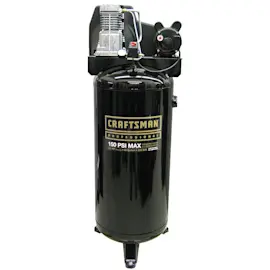
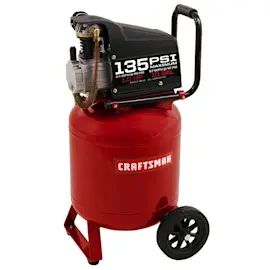
Most homeowner-grade air compressors like the Craftsman 919152931 typically last 8 to 12 years with normal use and basic maintenance; heavy daily use, heat, and neglected filters or leaks can shorten that, while good storage and routine checks can extend it. For model-specific care and safety steps, use the 919152931 owner's manual.
Typical lifespan by compressor type
These ranges help set expectations when you are comparing a portable DIY unit to shop or industrial equipment.
| Compressor type | Typical lifespan | Typical use pattern |
|---|---|---|
| Portable DIY (oil-free or small oil-lube) | 5 to 10 years | Intermittent, home projects |
| Larger shop (belt-drive, oil-lubricated) | 10 to 15 years | Frequent, longer run times |
| Industrial rotary screw | 15 to 20 years | Continuous duty with scheduled service |
What shortens lifespan fastest
We see these issues end compressors early, even when the motor and pump are still capable.
- Running on undersized extension cords or weak circuits (overheats the motor)
- Letting the unit cycle excessively because of air leaks
- Operating in dirty, dusty areas without cleaning intake/filter areas
- Storing with water left in the tank (internal corrosion)
- Ignoring abnormal sounds, slow pressure build, or frequent safety valve venting
Maintenance habits that add years
Use these as a simple routine for the Craftsman 919152931 and most similar air compressors.
- Drain tank moisture after use (or at least daily during heavy use)
- Check fittings, hose connections, and the regulator for leaks
- Keep ventilation clear around the pump and motor to reduce heat
- Verify the regulator output pressure stays within your tool ratings (the manual notes regulator use is required for lower-rated tools)
- Unplug before maintenance or repairs, and follow the safety guidance in the manual
How to tell it is nearing end-of-life
A compressor can still run but be uneconomical to keep repairing.
- It takes much longer than normal to build tank pressure
- It will not restart easily with pressure in the tank
- The tank will not hold air, or you find recurring leaks you cannot seal
- The pressure switch or check valve fails repeatedly
Why it matters
Lifespan is mostly about heat, moisture, and leak control. Keeping the tank dry and the unit running within its electrical limits helps prevent premature pump wear, motor damage, and unsafe pressure behavior.
For repair and troubleshooting help, you can use the DIY guides on this model page or search by model number on Sears PartsDirect.
What are the 4 types of compressors?
The four common compressor types are reciprocating (piston), rotary screw, centrifugal, and axial. Your Craftsman air compressor model 919152931 is a reciprocating piston style (a 2-cylinder, single-stage pump), which is the most common design for portable shop and DIY air tools; see the owner's manual.
The 4 compressor types (and where you usually see them)
- Reciprocating (piston): Uses pistons and valves to compress air in cycles; common for garages, job sites, and intermittent use.
- Rotary screw: Uses two meshing rotors for continuous airflow; common in commercial shops and industrial duty cycles.
- Centrifugal: Uses a high-speed impeller to add velocity and convert it to pressure; common in large facilities needing high flow.
- Axial: Uses multiple rotating and stationary blade stages; used in specialized high-flow applications (often aerospace and large process systems).
Quick comparison
| Type | How it compresses | Best for | Typical tradeoff |
|---|---|---|---|
| Reciprocating (piston) | Positive displacement | Home, portable, intermittent use | Louder, more vibration |
| Rotary screw | Positive displacement | Continuous shop air | Higher upfront cost |
| Centrifugal | Dynamic | High-volume plant air | Complex, not portable |
| Axial | Dynamic | Very high flow, specialized | Highly specialized design |
Why it matters for your Craftsman 919152931
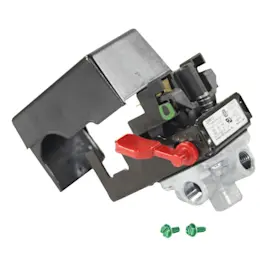
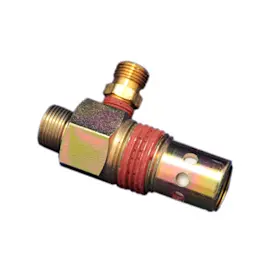
Knowing the compressor type helps you choose the right troubleshooting and maintenance approach. For example, piston compressors commonly involve components like a pressure switch, check valve, regulator, gauges, and a tank drain; these are frequent focus areas when the unit will not start, will not build pressure, or leaks air.
Helpful next steps
- Use the owner's manual to confirm your unit’s operating description, safety guidelines, and setup.
- If the motor will not run, follow air compressor won't start.
- If it runs but will not build pressure, use air compressor won't build tank pressure.
- If you need replacement parts for Craftsman 919152931, start with the parts list for your model, or search by model number on Sears PartsDirect.
Last updated: February 2026
What is the common problem with an air compressor?
The most common problems we see on a Craftsman 919152931 air compressor are air leaks, failure to start or restart, and low or unstable tank or outlet pressure. These issues usually trace back to loose fittings, a dirty or stuck check valve, a regulator problem, or a pressure switch that is not operating correctly (see the 919152931 owner's manual).
Most common problems (and what they look like)
- Air leaks at fittings: hissing around tube connections, manifold, or hose couplers
- Won’t start or won’t restart: motor hums, trips overload, or only starts after bleeding air
- Won’t build tank pressure: runs a long time, never reaches cut-out
- Safety valve pops: tank pressure climbs too high because the pressure switch does not shut off
- Pressure drop at the tool: tank gauge looks OK but outlet pressure falls under use
Quick checks we recommend first
- Unplug the compressor and bleed off tank pressure before troubleshooting.
- Listen for leaks and check suspected joints with a soapy water solution; tighten fittings where bubbles form (do not overtighten).
- Check the regulator under flow (while an air tool is running); adjust only while air is moving.
- Watch the cut-in and cut-out behavior: if the motor does not shut off at cut-out, move the pressure switch lever to OFF and service the pressure switch.
Common causes and best next step
| Symptom | Most likely cause | Best next step |
|---|---|---|
| Safety valve pops | Pressure switch not shutting off, cut-out set too high | Turn OFF; inspect/replace pressure switch per manual guidance |
| Hissing near tank outlet | Loose tube fitting or leaking check valve | Tighten fitting; clean/replace check valve if leak persists |
| Tool pressure won’t hold | Regulator internal wear or incorrect adjustment | Adjust under flow; service regulator if it still leaks |
| Won’t restart with air in tank | Check valve stuck open or unloader not releasing head pressure | Inspect check valve and pressure switch release function |
Why it matters
Air leaks and control problems waste SCFM, overwork the motor, and can trigger safety devices like the relief valve. Fixing the root cause early helps the compressor reach pressure normally and reduces overheating and nuisance shutdowns.
Related DIY help
If you need replacement parts for the Craftsman 919152931, start with the parts list for this model, or search by model number on Sears PartsDirect.
Last updated: February 2026
Is it worth it to repair a compressor?
Yes; repairing your Craftsman 919152931 air compressor is worth it when the problem is a common service item (pressure switch, check valve, fittings, air filter) and the tank is sound. If the tank is corroded or the pump needs major work, replacement is the better value.
Quick decision checklist
- Repair when it runs but has air leaks, won’t build pressure, or won’t shut off at cut-out.
- Repair when troubleshooting points to the pressure switch or check valve.
- Repair when the tank holds air and normal cut-in and cut-out operation can be restored.
- Replace when the air tank shows internal corrosion from not draining water.
- Replace when a pump rebuild plus other parts approaches the cost of a new unit.
What to check first (safe, fast, and low-cost)
- Unplug the compressor and bleed off all tank pressure before any work.
- Do a soapy water test at fittings, regulator, and valves; tighten snugly but do not over-tighten.
- If it won’t shut off, move the pressure switch lever to OFF and plan on pressure switch service.
- Drain the tank; stored water accelerates corrosion and shortens tank life.
Symptom-to-fix guide
| Symptom | Most likely area | Usually worth repairing? |
|---|---|---|
| Safety valve pops or won’t shut off | Pressure switch | Yes |
| Air leaks at fittings | Tube fittings | Yes |
| Air leaks at or inside check valve | Check valve | Yes |
| Won’t build tank pressure | Leaks, valves, pump | Depends on scope |
DIY help and ordering
Use the 919152931 owner's manual for safety steps, maintenance, and troubleshooting. For step-by-step diagnostics, we recommend air compressor won't build tank pressure and air compressor air leaks. When you’re ready to buy, search by model number on Sears PartsDirect.
Why it matters
A “good value” repair restores reliable pressure control and avoids repeat failures; a weakened tank changes the safety and long-term reliability of the compressor.
Last updated: February 2026
What is the most common cause of air compressor failure?
For the Craftsman 919152931 air compressor, the most common cause of failure is preventable wear from poor maintenance that leads to overheating and long run times. Air leaks, restricted intake airflow, and pressure-control problems make the motor and pump work harder until a no-start or no-pressure symptom shows up.
Most common failure causes
- Restricted intake airflow (dirty intake/filter area) that makes the pump run hot
- Air leaks at fittings, hoses, or valves that keep the unit running longer than normal
- Pressure switch problems (does not shut off at cut-out) that overworks the compressor
- Check valve issues (dirty or stuck) that cause hard starting and poor pressure performance
- Electrical strain (loose connections, overload trips, undersized extension cord)
Quick checks that prevent breakdowns
Before troubleshooting, unplug the compressor and bleed off tank pressure; follow the safety steps in the owner's manual.
- Listen for hissing; confirm leaks with soapy water and tighten fittings gently (do not overtighten)
- Keep the compressor in a well-ventilated area; do not block the intake
- If the safety valve pops or leaks, pull the ring briefly; replace the valve if it still leaks
- If it will not restart with air in the tank, focus on the check valve and pressure switch
Symptom-to-cause cheat sheet
| Symptom | Likely cause | Next step |
|---|---|---|
| Safety valve pops off | Pressure switch not shutting off | Turn OFF; inspect/replace switch |
| Won’t build tank pressure | Air leak, restricted intake, check valve | Find leaks; clean intake; inspect valve |
| Won’t start or struggles | Check valve stuck open, electrical issue | Check valve; verify power/cord |
Why it matters
Extra run time creates extra heat. Heat and load accelerate wear on the motor, pressure switch, and valves, turning a small leak or restriction into a full failure.
Helpful DIY guides
For replacement parts, use the parts list for model 919152931 or search by model number on Sears PartsDirect.
Last updated: February 2026