View engine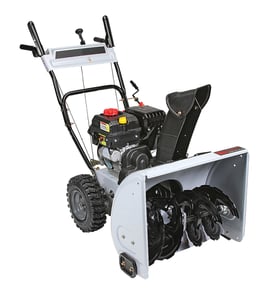





Is it worth fixing a snowblower?
Yes, it’s worth fixing a Craftsman dual-stage snow blower like model C950-52330-3 when the problem is a common wear item (fuel system parts, recoil starter parts, small hardware) and the machine is otherwise solid. If the repair cost approaches half the price of a comparable replacement, replacement makes more sense.
Quick decision checklist
- Fix it when it needs routine parts (carburetor float/needle seat, starter rope, springs, O-rings).
- Fix it when the engine starts and runs but has fuel leaks, surging, or hard-start symptoms.
- Fix it when the auger and drive system are mechanically sound and the frame is not damaged.
- Replace it when the engine has severe internal damage (no compression, heavy knocking) or the drivetrain has major failures.
- Replace it when you have repeated breakdowns every season and downtime matters more than cost.
Common “worth fixing” repairs for C950-52330-3
Many snowblower repairs are inexpensive because they involve serviceable carburetor and recoil starter components.
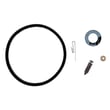
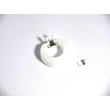
- Fuel seepage or flooding: often tied to the needle seat 631021B, a float, or an O-ring.
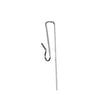
- Hard pull-start or broken cord: replace the starter rope 590535 and inspect the recoil housing.
- Recoil starter not catching: check the dog springrh 590412 and related recoil parts.
- Minor fuel line connection issues: inspect the lawn & garden equipment engine fuel line connector 632164.
Cost vs. value: a simple way to compare
Use this as a practical rule when deciding.
| Situation | Typical outcome | Recommendation |
|---|---|---|
| Small parts, quick labor | Low cost, high reliability gain | Fix it |
| Carburetor issues but engine is healthy | Moderate cost, big performance gain | Fix it |
| Major engine or drivetrain failure | High cost, uncertain payoff | Replace it |
Why it matters
A well-running dual-stage snow blower clears snow faster than most single-stage units, so restoring reliable starting and steady engine operation usually delivers a noticeable payoff in performance and convenience.
Ordering parts
We list replacement parts for the Craftsman C950-52330-3 on this page; you can also search by model number on Sears PartsDirect if you need additional diagrams or parts not shown in the featured list.
Last updated: February 2026
Should I spray my snowblower with WD-40?
Yes; for a Craftsman C950-52330-3 dual-stage snow blower, we use a light spray on the chute interior and discharge areas to help wet snow slide instead of packing and clogging. Keep it off belts, friction disc surfaces, and hot engine parts, and wipe off excess so it does not attract grit.
Where WD-40 helps (and where it does not)
Use it only on slick, non-drive surfaces that contact snow.
- Chute interior and chute deflector (reduces sticking)
- Auger housing surfaces that snow rubs against (light coat only)
- Fasteners and exposed metal for short-term moisture displacement
- Do not spray drive belts, pulleys, friction disc, or tire tread
- Do not spray directly onto the carburetor throat or air intake
Safer alternatives for anti-stick performance
If your main goal is preventing chute clogs, these options typically last longer and stay cleaner.
| Option | Best use | Notes |
|---|---|---|
| Silicone spray | Chute and deflector | Stays slick; less grime than oily sprays |
| Dry PTFE spray | Chute and housing | Low residue; good in dusty storage |
| Light wax coating | Chute interior | Longer-lasting; apply to clean, dry metal |
| WD-40 (light coat) | Quick anti-stick and moisture displacement | Reapply more often; wipe excess |
Quick application steps (5 minutes)
- Shut the engine off, remove the key (if equipped), and let hot parts cool.
- Brush off packed snow and ice; dry the chute area.
- Spray a light coat, then wipe to a thin film.
- Run the machine briefly to confirm nothing slips or smells like overspray.
Why it matters
Overspray on drive components can cause slipping, poor traction, and premature wear. If you notice fuel seepage or flooding after maintenance, inspect carburetor sealing parts such as the o-ring 631028A and needle seat 631021B.
For replacement parts for your Craftsman C950-52330-3, order from the parts list for this model or search by model number on Sears PartsDirect.
Last updated: February 2026
Is a 2 stage or 3 stage snowblower better?
A 2-stage snowblower is the better all-around choice for most driveways because it handles deep snow well with fewer moving parts and typically costs less. A 3-stage is better when you regularly hit dense, icy plow berms and want faster intake and higher throughput.
Quick comparison (what changes between 2-stage and 3-stage)
| Feature | 2-stage snowblower | 3-stage snowblower |
|---|---|---|
| Snow intake | Auger feeds impeller | Accelerator plus auger feeds impeller faster |
| Best for | Most homes, deep snow, mixed conditions | Frequent heavy, wet, icy, end-of-driveway piles |
| Complexity | Lower | Higher |
| Weight and maneuvering | Typically easier | Typically heavier |
| Cost | Typically lower | Typically higher |
How to choose for your Craftsman C950-52330-3 (2-stage)
Your Craftsman C950-52330-3 is a dual-stage snow blower, so it is already built for deeper snow and plow banks compared with single-stage machines. We recommend sticking with a 2-stage design when you want strong performance with simpler maintenance.
Choose 2-stage when you:
- Clear a typical residential driveway and sidewalks
- Get storms that are often 4 to 12 inches, with occasional deeper snow
- Want fewer wear points and easier off-season upkeep
- Prefer a machine that is easier to turn and store
Choose 3-stage when you:
- Regularly deal with compacted, icy end-of-driveway berms
- Need faster clearing on long driveways or large areas
- Often clear heavy, wet snow that bogs down slower intake systems
Why it matters
Stage design affects how quickly snow is pulled in and how well the machine chews through dense piles. More stages can move snow faster, but they also add parts that can wear, need adjustment, or require replacement over time.
Parts and maintenance that keep performance strong
If your current 2-stage unit is struggling, maintenance usually restores performance faster than upgrading stages. Common fixes include carburetor service and starter repairs.
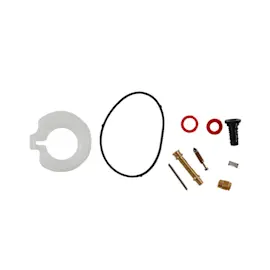
- Fuel delivery issues: consider a carburetor refresh such as the carburetor 632370A
- Hard starting or flooding: inspect the needle seat 631021B and o-ring 631028A
- Recoil starter problems: check the starter rope 590535 and starter housing 590684
For ordering the correct replacement parts by model number, use the parts list for C950-52330-3 or search on Sears PartsDirect.
Last updated: February 2026
How many years should a snowblower last?
A gas dual-stage snow blower like the Craftsman C950-52330-3 typically lasts 15 years with normal residential use and basic seasonal maintenance. With careful off-season storage and timely repairs, it commonly reaches 20 years.
Typical lifespan (what to expect)
Most snowblowers fall into these ranges:
- 10 years: heavy use, minimal maintenance, frequent wet or icy snow
- 15 years: typical homeowner use with regular tune-ups
- 20 years: consistent maintenance, proper storage, quick fixes when issues start
- 25+ years: lighter use plus excellent care (and parts replaced as needed)
| Usage and care level | Typical lifespan | What usually wears first |
|---|---|---|
| Heavy use, little maintenance | ~10 years | Carburetor, starter, belts, friction surfaces |
| Normal use, seasonal maintenance | ~15 years | Starter rope, fuel system parts |
| Light use, excellent storage | ~20 years | Rubber wear parts, fuel system parts |
What shortens snowblower life fastest
These issues cause the most premature failures on gas snowblowers:
- Storing fuel in the tank/carburetor over the off-season (varnish and clogs)
- Running old fuel or water-contaminated fuel
- Hitting hidden objects (curbs, gravel, ice chunks) that shock the auger/impeller system
- Letting rust build up from wet storage
- Ignoring hard-starting symptoms until the carburetor floods or starves
Maintenance that adds years (high impact)
We recommend these habits every season:
- Use fresh fuel; add stabilizer if fuel will sit more than 30 days
- At season end, run the engine dry or drain the fuel system
- Keep shear pins and fasteners tight; inspect before each storm
- Check and replace worn fuel-system parts early (before they cause no-start issues)
- Fix recoil starter problems right away; a fraying rope can snap mid-storm
Parts that commonly restore reliability
If your C950-52330-3 is hard to start, surges, or leaks fuel, these model-listed parts are often involved:
- Carburetor 632370A (common fix for persistent fuel and running issues)
- Starter rope 590535 (for fraying, snapping, or poor recoil pull)
- Needle seat 631021B (helps stop flooding and fuel overflow)
Why it matters
A snowblower usually does not “wear out” all at once; it becomes unreliable from a few serviceable systems (fuel delivery and starting). Replacing a small number of parts at the right time often extends the machine’s useful life by many seasons.
To order replacement parts for your Craftsman C950-52330-3, use the parts list for this model or search by model number on Sears PartsDirect.
Last updated: February 2026
How do I tell what year my Craftsman snowblower is?
To tell the year of your Craftsman dual-stage snow blower model C950-52330-3, we use the product ID label first (model and serial number), then use the engine’s date code as a cross-check. Together, those usually narrow it to a specific build year or timeframe.
Find the identification label
On most Craftsman snowblowers, the product identification label is on the frame or housing, often near the rear of the unit around the axle area, or on/near the engine shroud.
- Locate the model and serial number on the snowblower label
- Write the serial number exactly (letters and numbers)
- Look for a separate engine tag with an engine model and code
- If the label is missing, check for stamped numbers on the frame
Decode the year (what typically works)
Craftsman serial formats vary by manufacturer and production run, so there is no single universal pattern. These checks work most often:
- A clear YY or YYYY segment in the serial often indicates the year
- A pattern like MMDDYY usually uses the last two digits as the year
- If the snowblower serial is unclear, the engine date code is the best secondary indicator
Quick reference
| Source | What to look for | What it tells you |
|---|---|---|
| Snowblower ID label | Serial number pattern (YY, YYYY, MMDDYY) | Unit build year/timeframe |
| Engine tag | Engine code/date stamp | Engine manufacture date |
Why it matters
Knowing the year helps us match the correct parts and diagrams for your C950-52330-3, especially for fuel and starting systems.
If you are troubleshooting fuel delivery or hard starting, parts like the carburetor 632370A, needle seat 631021B, or starter rope 590535 can help confirm you are working with the correct engine setup.
You can order replacement parts from the parts list for C950-52330-3, or search by model number on Sears PartsDirect.
Last updated: February 2026