
Is 200 cfm good for a leaf blower?
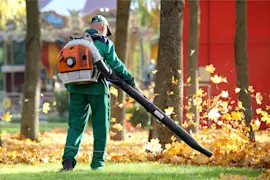
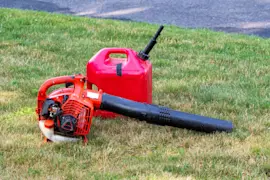
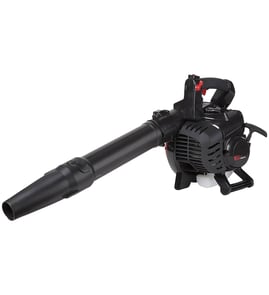
Yes; 200 CFM is good for light-duty leaf blowing on small areas like patios, decks, driveways, and small lawns. For heavier, wet debris or larger yards, you typically want higher airflow (often 350 to 450+ CFM) so your BV200 can move piles faster.
What 200 CFM handles well (and what it struggles with)
- Works well for: dry leaves, grass clippings, light dust and debris
- Best areas: sidewalks, porches, garages, small lawns, flower beds (carefully)
- Struggles with: wet leaves, matted piles, acorns, heavy thatch, large properties
- Technique matters: short bursts and sweeping passes usually outperform “full throttle everywhere”
- Noise and fatigue: lower CFM tools are often easier to control for longer sessions
Quick CFM guide (typical ranges)
| Yard and debris type | Typical CFM range | What you’ll notice |
|---|---|---|
| Small areas, light dry debris | 150 to 250 | Good control, slower on piles |
| Medium yard, mixed debris | 250 to 400 | Faster clearing, better pile moving |
| Large yard, heavy or wet debris | 400 to 700+ | Moves piles quickly, less raking |
How to get better results if 200 CFM feels weak
- Clear when debris is dry whenever possible
- Use a side-to-side sweeping pattern to build a windrow (a long pile)
- Reduce the distance to the debris; airflow drops quickly with distance
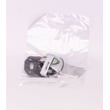
- If your BV200 is bogging down, check fuel delivery parts like the poulan lawn & garden equipment fuel line, small 530069247 and the craftsman lawn & garden equipment engine fuel filter 530095646
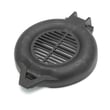
- Replace a cracked or leaking cap if you smell fuel or see seepage at the tank; use the line trimmer fuel cap 578931605
Why it matters
CFM (air volume) is what actually moves leaves; higher CFM clears faster and handles heavier debris. If your blower’s performance suddenly drops, it is often a fuel-flow issue (fuel line, fuel filter, or cap venting) rather than “not enough CFM.”
Last updated: February 2026
What is the life expectancy of a gas leaf blower?
A gas leaf blower like the Weed Eater BV200 typically lasts about 10 years with normal homeowner use and consistent maintenance. Fuel-system care (fresh fuel, clean filter, good fuel lines) and avoiding overheating do the most to extend service life.
Typical lifespan and what changes it
Most gas handheld blowers fall into these ranges:
| Use pattern | Typical life expectancy | What usually ends it |
|---|---|---|
| Occasional homeowner use | 8 to 12 years | Fuel issues, carburetor wear |
| Regular seasonal use | 6 to 10 years | Air leaks, compression loss |
| Heavy use | 3 to 7 years | Engine wear, heat damage |
Maintenance that adds years (and prevents no-start problems)
We recommend these habits for the BV200:
- Run fresh, properly mixed fuel and do not store old fuel in the tank.
- Replace cracked or soft fuel lines; a small air leak can cause hard starting and lean running.
- Keep the fuel pickup/filter clean; a restricted filter starves the carburetor.
- Clean cooling air passages so the engine does not overheat.
- Inspect fasteners and covers so vibration does not create air leaks.
Helpful replacement parts for fuel-system upkeep include the poulan lawn & garden equipment fuel line, small 530069247, the ayp lawn & garden equipment fuel line, large 530069216, and the craftsman lawn & garden equipment engine fuel filter 530095646.
Quick signs your blower is nearing end-of-life
These symptoms usually point to wear or air/fuel problems that become more frequent over time:
- Starts, then dies unless you keep the throttle open
- Surges at idle or runs only with choke partially on
- Loss of power even with a clean air filter and fresh fuel
- Excessive vibration or rattling hardware
- Repeated hard-starting after sitting a few days
Why it matters
A blower that is running lean from fuel-line leaks or restrictions can overheat and accelerate piston and ring wear. Staying ahead of small fuel-system parts is often the difference between a quick fix and a major engine repair.
Last updated: February 2026
Which brand of gas leaf blower is best?
The “best” gas leaf blower brand depends on how you’ll use it: pros typically prioritize maximum CFM/MPH and durability, while homeowners usually want easy starting, manageable weight, and lower noise. If you’re maintaining a Weed Eater BV200, choosing a brand with strong parts support is just as important as raw power.
How we recommend choosing a “best” brand
Focus on the specs and features that match your workload, then compare brands within that class.
- Air volume (CFM): Higher CFM moves more leaves, especially wet piles
- Air speed (MPH): Helps break up stuck debris and push heavier material
- Type: Handheld for quick cleanup; backpack for long sessions and large yards
- Weight and ergonomics: Shoulder strain matters more than you think
- Starting and fuel system: Reliable carburetion and good fuel line routing reduce no-start issues
- Parts availability: Filters, fuel lines, starter parts, and bags should be easy to get
Quick brand and use-case comparison
| Use case | What matters most | Typical “best” brand traits |
|---|---|---|
| Large properties, heavy debris | High CFM, comfort | Strong backpack lineup, durable harness |
| Residential weekly cleanup | Easy start, lighter weight | Reliable handheld models, simpler maintenance |
| Budget-focused | Value, basic performance | Good support for common wear parts |
Why parts support matters (especially for older gas blowers)
Many “brand” problems are really maintenance problems: stale fuel, cracked fuel lines, clogged filters, or a worn starter. For the BV200, common fixes include replacing fuel lines and the fuel filter, which can restore starting and throttle response.
- Replace brittle or leaking fuel lines: poulan lawn & garden equipment fuel line, small 530069247 and ayp lawn & garden equipment fuel line, large 530069216
- If it bogs or won’t stay running, check the in-tank filter: craftsman lawn & garden equipment engine fuel filter 530095646
- If pull-start issues show up, inspect the handle and spring: line trimmer recoil starter handle 530054834 and start spring 545008011
Practical “best brand” takeaway
- For maximum performance: pick a pro-grade backpack line.
- For most homeowners: pick a brand known for easy starting and lighter handheld units.
- For long-term ownership: pick the option with the best ongoing parts availability and serviceability.
Last updated: February 2026
Are gas leaf blowers being phased out?
Yes. Gas leaf blowers like the Weed Eater BV200 are being phased out in some U.S. cities and states through new-sales restrictions, seasonal limits, or full-use bans, mainly due to noise and emissions concerns. Rules vary by location, so the practical impact depends on where you use it.
What “phased out” usually means
Most policies fall into one of these categories:
- Ban on new sales (you can still use and repair existing equipment)
- Use restrictions (certain months, hours, or decibel limits)
- Commercial-use phase-outs first (landscapers), then homeowners
- Full-use bans by a future effective date
- Enforcement by complaint (noise or nuisance ordinances)
How this affects maintaining a BV200
Even where restrictions exist, keeping your BV200 running often comes down to basic fuel-system upkeep and replacing wear items.
Common maintenance parts for this model include:
- Poulan lawn & garden equipment fuel line, small 530069247 for cracked or leaking small fuel line
- Ayp lawn & garden equipment fuel line, large 530069216 for hardened or split larger fuel line
- Craftsman lawn & garden equipment engine fuel filter 530095646 if it bogs, surges, or starves for fuel
- Line trimmer fuel cap 578931605 if the cap seal leaks or the tank will not vent properly
Quick troubleshooting checklist (before you assume it is “banned” or “worn out”)
- Confirm you are using fresh, properly mixed fuel (old fuel causes hard starting and stalling).
- Inspect fuel lines for soft spots, cracks, or loose fits at the tank and carburetor.
- Replace a restricted fuel filter if the engine runs briefly, then dies under throttle.
- Check the fuel cap venting; a plugged vent can mimic fuel starvation.
- If it starts only with choke and dies when you open the choke, the carburetor may need service.
Parts that match common symptoms
| Symptom | Most common cause | Part to consider |
|---|---|---|
| Fuel smell, wet tank area | Split fuel line | Poulan lawn & garden equipment fuel line, small 530069247 or ayp lawn & garden equipment fuel line, large 530069216 |
| Starts then stalls | Restricted fuel flow | Craftsman lawn & garden equipment engine fuel filter 530095646 |
| Leaks at cap, hissing when opened | Cap seal or vent issue | Line trimmer fuel cap 578931605 |
Why it matters
If your area tightens rules on gas blowers, a well-running BV200 helps you finish jobs faster and reduces smoke, odor, and nuisance complaints. Replacing inexpensive fuel-system parts is often the simplest way to keep performance consistent.
Last updated: February 2026