


What is the average lifespan of a GE dishwasher?
A GE dishwasher like model GDT226SGL1WW typically lasts 10 to 12 years. With consistent cleaning, correct detergent use, and quick fixes for draining or filling problems, many units reach the upper end of that range.
Most GE dishwashers fall into this general window:
| Usage and care level | Typical lifespan |
|---|---|
| Heavy use, minimal maintenance | 8 to 10 years |
| Average household use | 10 to 12 years |
| Light use, good maintenance | 12 to 15 years |
These are the most common wear drivers we see on dishwashers:
- Running with clogged filters or debris in the sump area
- Hard water scale buildup (especially on heating and wash components)
- Frequent overloading that blocks spray arms and reduces cleaning performance
- Leaks that go uncorrected (moisture can damage wiring and controls)
- Drain restrictions that keep dirty water in the tub
A few simple habits make a big difference:
- Clean the filter area regularly; replace a damaged filter such as the fine filter WD12X24656
- Check for standing water and address slow draining early (kinks, clogs, air gap/disposal issues)
- Use the right amount of detergent; too much can cause residue and poor rinsing
- Run a monthly cleaning cycle to reduce grease and mineral buildup
- Watch for intermittent power or dead control symptoms; a failed machine control fuse WD21X25696 can stop operation
Knowing the expected lifespan helps you decide whether to repair or replace. If your GDT226SGL1WW is near 10 to 12 years old, investing in key repairs (like filtration, draining, or control protection) can extend service life and improve cleaning results.
Last updated: February 2026
What is the most common problem with GE dishwashers?
The most common problems we see on GE dishwashers like model GDT226SGL1WW are not draining, not starting, and poor cleaning. In many cases, the fix is basic maintenance (filters and hoses), but recurring symptoms can point to a failed pump, sensor, or control.
- Dishwasher won’t drain: clogged filter area, kinked/blocked drain hose, or a drain pump problem
- Dishwasher won’t start: door not latching, user interface issue, or control power problem
- Not cleaning well: restricted filtration, low water fill, or wash pump performance issues
- Leaks: loose hose connections, overflow condition, or door alignment problems
- Stops mid-cycle or acts “glitchy”: control or sensing problem
- Cancel the cycle and try a drain; listen for the drain pump running.
- Clean the filter area; a restricted filter can cause draining and cleaning complaints.
- Check the drain path for kinks or clogs; inspect the hose routing to the sink/disposer.
- Confirm the door closes firmly and the striker lines up.
- Power reset: turn off the breaker for 2 minutes, then restore power and retry.
| Symptom | Common suspect | Example model-matched part |
|---|---|---|
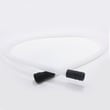
| Not draining | Drain restriction or hose issue | Drain hose extension WD24X10062 |
| Poor cleaning or weak spray | Wash circulation problem | Wash pump assembly WD19X24705 |
| Dead/no response or intermittent power | Control power protection | Machine control fuse WD21X25696 |
| Random behavior, won’t run correctly | Main control issue | Dishwasher electronic control board WD21X24676 |
| Door won’t latch/start | Door alignment/latch engagement | Door striker assembly WD12X24648 |
If your dishwasher shows a code or beeps in a pattern, match it to the symptom before buying parts. Use our GE electronic dishwasher error codes guide to narrow the failure to draining, filling, heating, or control problems.
Drain and filtration problems can look like “the dishwasher is broken,” but they often start as a simple blockage. Catching it early helps prevent pump strain, standing water odors, and repeat cycle failures.
Last updated: February 2026
Can I replace dishwasher parts myself?
Yes. For the GE GDT226SGL1WW dishwasher, we can usually replace many common parts ourselves if we shut off power and water first and work carefully. Simple maintenance and mechanical parts are the best DIY wins; control and wiring repairs take more skill and safety steps.
Typically DIY-friendly
- Cleaning or replacing the fine filter WD12X24656
- Replacing the dishwasher detergent dispenser WD12X24637
- Replacing a door latch strike such as the door striker assembly WD12X24648
- Fixing some drain issues by checking the glass trap WD12X24663
Often better for advanced DIY or a technician
- Electrical diagnosis and replacement of the dishwasher electronic control board WD21X24676
- UI and console wiring issues involving the dishwasher user interface WD21X28718
- Leak diagnosis tied to fill and overflow components (hoses, sensors, sump)
- Turn off the dishwasher breaker (do not rely on the control panel being “off”).
- Shut off the water supply valve under the sink.
- Protect the floor; keep towels and a shallow pan ready.
- Take photos of wire connectors and hose routing before removal.
- Use the correct driver bits; many dishwashers use Torx screws.
| Symptom | Common DIY check | Parts that may be involved |
|---|---|---|
| Not draining | Clear clogs in sump area and drain path | Drain hose extension WD24X10062, drain pump discharge hose WD24X24717 |
| Not cleaning well | Clean filters and traps first | Fine filter WD12X24656, glass trap WD12X24663 |
| Won’t start or beeps | Check for error codes and UI response | Dishwasher user interface WD21X28718, machine control fuse WD21X25696 |
DIY replacement can save time and money, but dishwashers combine water, electricity, and sharp metal edges. Picking the right “first check” (filters, traps, hoses, door strike) prevents unnecessary replacement of higher-cost parts like the control board.
For code-based troubleshooting on GE models, we use GE electronic dishwasher error codes to match symptoms to likely causes.
Last updated: February 2026
What are the commonly replaced parts in a dishwasher?
In a GE dishwasher like model GDT226SGL1WW, the most commonly replaced parts are the ones that handle water flow, washing, draining, and door closing. We typically see filters, hoses, pumps, and door hardware replaced first because clogs, leaks, and everyday wear show up there.
- Filters and traps that clog and reduce cleaning performance (example: fine filter WD12X24656, glass trap WD12X24663)
- Drain components when the unit will not drain or drains slowly (example: drain pump discharge hose WD24X24717)
- Fill and water path hoses when you see leaks or filling problems (example: fill hose WD24X24599, air break to sump fill hose WD24X24729)
- Wash system components when dishes stay dirty or you hear abnormal wash noise (example: wash pump assembly WD19X24705)
- Door closing parts when the dishwasher will not start or pops open (example: door striker assembly WD12X24648)
- Electronic parts when the dishwasher is dead, unresponsive, or shows error behavior (example: dishwasher electronic control board WD21X24676, machine control fuse WD21X25696)
| Symptom | Most likely area | Example part for GDT226SGL1WW |
|---|---|---|
| Not draining, standing water | Drain path | Drain hose extension WD24X10062 or drain pump discharge hose WD24X24717 |
| Poor cleaning, debris left behind | Filtration/wash circulation | Fine filter WD12X24656 or wash pump assembly WD19X24705 |
| Will not start, intermittent power | Controls/power protection | Machine control fuse WD21X25696 or dishwasher user interface WD21X28718 |
| Door will not latch | Door hardware | Door striker assembly WD12X24648 |
Replacing the right part first prevents repeat breakdowns and protects major components like the sump and control board. For example, keeping the filter system clean reduces pump strain and helps the dishwasher maintain proper water flow.
If you are seeing a code or blinking pattern, use GE electronic dishwasher error codes to narrow the failure to the wash system, drain system, or controls.
Last updated: February 2026





