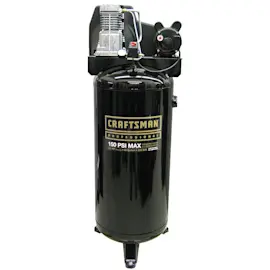


Is a 150 PSI air compressor good for car detailing?
Yes. A 150 PSI air compressor can work well for car detailing with a Craftsman 919152813 as long as the compressor’s CFM at 90 PSI matches your tools; most detailing tasks run around 60 to 90 PSI at the regulator, while higher PSI mainly provides reserve in the tank.
What matters more than 150 PSI
For detailing, PSI is rarely the limiting factor; air delivery is.
- CFM rating (especially at 90 PSI): Determines whether tools keep running without constant waiting
- Tank size: Acts as a buffer so short bursts do not immediately drop pressure
- Duty cycle and recovery time: Impacts how often you pause for the tank to refill
- Moisture control: A filter and drain routine helps prevent water spots and tool issues
- Noise and portability: Important for mobile or garage use
Quick tool-to-compressor fit guide
Use this as a practical way to judge whether your 150 PSI compressor is “enough.”
| Detailing use | Typical regulator setting | Air demand pattern | What to look for in the compressor |
|---|---|---|---|
| Blow gun, drying crevices | 60 to 90 PSI | Short bursts | Small tank can work; faster recovery is helpful |
| Tire inflation | 30 to 40 PSI | Intermittent | Almost any compressor works |
| Air tools (continuous) | 90 PSI | Steady draw | Higher CFM and larger tank matter most |
| Tornador-style tools | 90 PSI | High, continuous | Prioritize strong CFM at 90 PSI and a larger tank |
Setup tips for better results
- Set the regulator to the tool’s recommended pressure (often around 90 PSI for air tools)
- Use a water separator/filter near the outlet; add a second filter at the hose end for paint-safe work
- Drain the tank after use to reduce moisture and internal corrosion
- Use a larger diameter hose (commonly 3/8-inch) for higher-flow tools to reduce pressure drop
- If the compressor cycles constantly, reduce tool demand or switch to shorter bursts
Why it matters
A 150 PSI rating mostly increases stored air in the tank; it does not guarantee the airflow needed for air-hungry detailing tools. Matching CFM to your tool is what prevents pressure sag, weak performance, and long refill waits.
For troubleshooting if performance is poor, use our DIY guide: air compressor won't build tank pressure.
Last updated: February 2026
Is a 20 gallon air compressor big enough for air tools?
Yes. A 20-gallon air compressor is big enough for many common home-garage air tools (like brad nailers, finish nailers, ratchets, and occasional impact wrench use), but it often falls short for continuous, high-air-demand tools such as sanders, die grinders, and paint spraying.
What matters most (it is not just tank size)
Tank size affects how long you can run before the motor has to recover, but tool performance is mainly limited by airflow.
- CFM at 90 PSI: the key number for most air tools
- Duty cycle: how long the compressor can run without overheating
- Recovery time: how quickly it refills the tank
- Pressure regulation: stable output PSI under load
- Hose and fittings: restrictions can starve tools even with a bigger tank
Quick sizing guide for typical air tools
Use this as a practical starting point when pairing tools to a 20-gallon unit.
| Tool type | Typical air demand | 20-gallon compressor fit | What you will notice |
|---|---|---|---|
| Brad/finish nailer | Low | Good | Fast cycling, usually no issues |
| Framing nailer | Medium | Usually OK | May pause during rapid firing |
| Impact wrench (home use) | Medium | Often OK | Short bursts work best |
| Die grinder / sander | High | Not ideal | Tool slows down, frequent waiting |
| HVLP/paint spraying | High | Not ideal | Inconsistent spray pattern |
How to decide for your Craftsman 919152813
Match the tool’s required CFM (listed on the tool label or box) to your compressor’s CFM rating at 90 PSI. For reliable performance, we recommend having at least 25% more CFM than the tool requires.
If you already own the compressor
- Run the tool for 30 to 60 seconds under load
- Watch for pressure drop at the regulator
- Listen for nonstop running (a sign the tool is outpacing airflow)
- Check for leaks at quick-connects and fittings
- Use a shorter, larger-diameter hose when possible
For common performance problems that feel like “not enough compressor,” use our troubleshooting steps in air compressor won't build tank pressure and air compressor can't adjust the output air pressure.
Why it matters
Undersizing mainly causes slow tool performance, inconsistent results (especially spraying and sanding), and excessive compressor run time, which increases heat and wear.
Last updated: February 2026
What is the average lifespan of an air compressor?
Most air compressors last 10 to 15 years with normal homeowner or light shop use and basic maintenance. For a Craftsman air compressor like model 919152813, lifespan depends most on how often it runs, how hot it runs, and how consistently the tank is drained and the intake stays clean.
Typical lifespan by compressor type
Air compressor life is driven by duty cycle, pump design, and maintenance.
- Oil-free (common portable units): 5 to 10 years
- Oil-lubricated reciprocating: 10 to 20 years
- Rotary screw (industrial): 20+ years
- Heavy daily use with poor maintenance: often under 5 years
| Compressor type | Typical use | Typical lifespan |
|---|---|---|
| Oil-free portable | DIY, intermittent | 5 to 10 years |
| Oil-lubricated piston | Garage, small shop | 10 to 20 years |
| Rotary screw | Industrial, continuous | 20+ years |
What shortens life fastest
These are the most common “life reducers” we see across Craftsman and other brands:
- Water left in the tank (internal rust and contamination)
- Overheating from long run times or poor ventilation
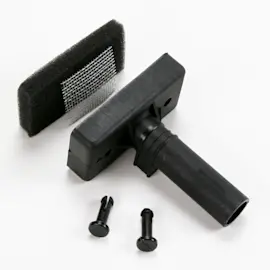
- Dirty intake/filtering (abrasive wear inside the pump)
- Air leaks that force frequent cycling
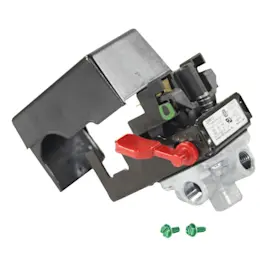
- Incorrect pressure switch or unloader operation (hard starts, motor strain)
Maintenance that adds years
A few habits make the biggest difference in real-world service life:
- Drain the tank after use (or daily in humid conditions)
- Fix leaks promptly so the compressor does not short-cycle
- Keep cooling fins and vents clear of dust
- Use the correct outlet pressure settings for your tools (avoid running at max unnecessarily)
- If your unit is oil-lubricated, keep oil at the proper level and change it on schedule
Why it matters
Air compressors usually “wear out” in predictable ways: longer fill times, trouble starting, and inability to hold or build pressure. Catching those symptoms early helps you avoid motor damage and reduces moisture and debris getting into air tools.
For step-by-step troubleshooting when performance drops, use our DIY guide: air compressor won't build tank pressure.
Last updated: February 2026
What is the most common cause of air compressor failure?
The most common cause of failure on a Craftsman air compressor like model 919152813 is poor maintenance that leads to overheating and accelerated wear. Dirty intake filtration, restricted cooling airflow, moisture left in the tank, and small air leaks force the pump and motor to work harder until a switch, valve, or pump component fails.
Most common failure drivers (and what they look like)
- Overheating: hot motor, frequent thermal trips, slow recovery time
- Restricted airflow or dirty intake: reduced output, louder operation, higher running temperature
- Air leaks: compressor cycles too often, won’t hold pressure, hissing at fittings
- Moisture and corrosion in the tank: water at the drain, rust flakes, weakening of tank components
- Electrical wear (switch/capacitor/cord issues): won’t start, hums, trips breaker
Quick prevention checklist for 919152813
- Drain the tank after each use (especially in humid garages).
- Keep cooling fins and vents clear; give the unit open space for ventilation.
- Fix small leaks early (fittings, regulator, drain valve, safety valve).
- Avoid long continuous run time; let the unit cool between heavy cycles.
- Use the correct outlet and extension cord setup (undersized cords overheat motors).
Symptom-to-cause cheat sheet
| What you notice | Most likely cause | What to check first |
|---|---|---|
| Won’t start | Electrical issue or pressure switch problem | Power source, cord, switch behavior |
| Runs but won’t build pressure | Leak or pump/valve issue | Listen for leaks, check valve function |
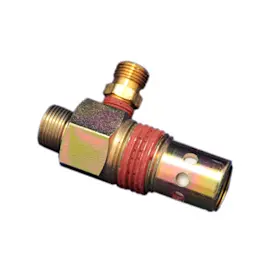
| Cycles constantly | Air leak or faulty check valve | Fittings, tank check valve |
| Gauge reads wrong | Gauge failure or blockage | Gauge, line to gauge |
Why it matters
Most “sudden” compressor failures are really heat and load problems that build up over time. When airflow is restricted or leaks are ignored, the pump runs longer, temperatures rise, and components like the pressure switch, check valve, and seals wear out much faster.
Helpful troubleshooting and repair guides
- Use air compressor won't start when the motor won’t run or trips the breaker.
- Use air compressor won't build tank pressure when it runs but cannot reach cut-out pressure.
- Use air compressor air leaks to track down hissing and rapid cycling.
Last updated: February 2026