 Error Codes




What is the most common problem with KitchenAid dishwashers?
The most common KitchenAid dishwasher problem (including the KitchenAid KUDJ230Y1) is poor cleaning, usually caused by restricted water flow from clogged filters or spray arms. Close behind are draining problems, leaks, and occasional float switch issues that stop filling.
Most common issues we see (and what they look like)
- Not cleaning well: food debris left on dishes, cloudy glassware, weak spray
- Not draining: standing water in the bottom after the cycle
- Leaking: water at the front corners or under the unit
- Not filling or overfilling: cycle starts but little water enters, or it fills too high
- Rack problems: lower rack binds or falls off track
Quick checks you can do first
- Clean the filter area and remove debris from the sump.
- Spin spray arms by hand; clear blocked jets with a toothpick.
- Confirm hot water supply (most dishwashers clean best with 120°F to 140°F incoming water).
- Check the drain hose for kinks and make sure the sink/disposer connection is clear.
- If filling is erratic, inspect the float and float switch area for buildup.
Parts that commonly relate to these symptoms
| Symptom | Common area | Example part for KUDJ230Y1 |
|---|---|---|
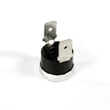
| Overfilling, won’t fill, or stops mid-fill | Float/float switch | Dishwasher float switch WP9743413 |
| Water in base, leak near float area | Float switch base seal | Gasket-fla WP8531743 |
| Lower rack hard to roll | Rack wheels/rollers | Dishwasher dishrack roller, lower WP4162322 |
Why it matters
Cleaning and draining problems usually start small (a partial clog or restricted spray) but quickly lead to longer cycles, odors, and repeat wash results. Catching it early also helps prevent leaks that can damage flooring.
Helpful DIY guidance
- Use dishwasher not cleaning dishes video to pinpoint whether the issue is spray, filtration, or water temperature.
- If you’re seeing flashing lights or a beeping pattern, check KitchenAid he dishwasher error codes to match the symptom to a likely failure area.
Last updated: February 2026
Can I replace dishwasher parts myself?
Yes, many KitchenAid KUDJ230Y1 dishwasher repairs are DIY-friendly if you’re comfortable turning off power and water and working carefully. Simple mechanical parts (rack rollers, clamps, gaskets, float parts) are usually straightforward; electrical diagnostics and leak-related repairs take more skill.
Good DIY repairs for this model
These are common, low-risk replacements that typically do not require special tools:
- Replace a worn rack wheel using the dishwasher dishrack roller, lower WP4162322
- Swap a leaking or flattened seal such as the gasket-fla WP8531743
- Tighten or replace a loose fastener (for example, dishwasher screw WP9741232)
- Replace a weak or corroded clamp like the dishwasher hose clamp WP285655
- Service float-related overfill parts such as the dishwasher float switch WP9743413
When we recommend a technician
Some repairs involve water seals, wiring, or hard-to-access components where a mistake can cause leaks or damage.
- Circulation or drain system work (pump area, impeller, internal hoses)
- Electrical troubleshooting (switches, wiring, control issues)
- Persistent leaks you cannot trace to a simple gasket or clamp
- Any repair requiring pulling the dishwasher out of the cabinet
Quick safety checklist before you start
Use this checklist every time you work on the KUDJ230Y1:
- Shut off power at the breaker (do not rely on the door switch)
- Turn off the water supply valve under the sink
- Protect the floor; keep towels ready for residual water
- Take photos of wire and hose routing before disconnecting anything
- Run a short test cycle after reassembly and check for drips underneath
DIY vs. pro: what to expect
| Repair type | Typical DIY difficulty | Common signs | Example part on this model |
|---|---|---|---|
| Rack hardware | Easy | Rack binds, wheel missing | WP4162322 |
| Small seals and gaskets | Easy to moderate | Slow seep, damp base | WP8531743 |
| Float/overfill parts | Moderate | Overfilling, won’t fill, odd stopping | WP9743413 |
| Pump/impeller area | Advanced | Loud grinding, poor wash, leaks | 675806 |
Why it matters
DIY part replacement can restore cleaning performance, stop leaks, and extend the life of your KitchenAid dishwasher without the cost of a service call. Choosing the right repair level also helps prevent repeat failures from misdiagnosis.
For symptom-based troubleshooting before you buy parts, we use the KitchenAid he dishwasher error codes guide and the KitchenAid microclean he dishwasher error codes guide to narrow down likely causes.
Last updated: February 2026
What is the life span of a KitchenAid dishwasher?
A KitchenAid dishwasher like model KUDJ230Y1 lasts 10 to 13 years with normal household use. Regular cleaning, correct loading, and fixing small problems early (leaks, draining issues, weak wash) are what most often push it to the high end of that range.
What affects dishwasher lifespan
Heat, moisture, detergent, and moving parts wear a dishwasher over time. These factors make the biggest difference:
- Hard water and mineral buildup in the wash system
- Heavy daily use (multiple loads per day)
- Skipping routine cleaning and maintenance
- Small leaks left uncorrected (can damage wiring and components)
- Overloading that blocks spray and increases cycle time
Maintenance checklist that extends service life
Use this simple routine monthly to quarterly:
- Clean the filter area and remove debris from the sump
- Wipe the door seal area and tub lip after heavy use
- Run a dishwasher cleaner cycle to reduce grease and scale
- Check for slow draining or standing water after a cycle
- Inspect the lower rack for binding or wobble
Parts that commonly wear before the dishwasher fails
These symptoms often show up first:
| Symptom | Likely wear area | What we check first |
|---|---|---|
| Water on floor | Seals or pump-area gaskets | Door edges, tub lip, under-unit drips |
| Overfilling or not filling correctly | Float/float switch system | Float movement, debris around float |
| Rack won’t roll smoothly | Rack rollers | Flat spots, cracked wheels, track wear |
| Poor cleaning | Circulation or spray restriction | Spray arm holes, filter clogging, pump noise |
If you are chasing a small leak or moisture around the float area on KUDJ230Y1, replacing a worn gasket is a smart first step; see the gasket-fla WP8531743.
Why it matters
Knowing the 10 to 13 year lifespan helps you decide whether a repair makes sense. If your KUDJ230Y1 is near that age and needs a major pump or electrical repair, comparing repair cost to replacement value usually saves time and money.
Last updated: February 2026





