Owner’s manual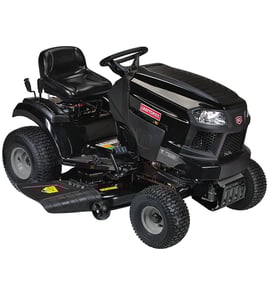


What are the most common issues with LT1045?
The most common issues we see on the Cub Cadet LT1045 lawn tractor involve starting and charging problems, poor cutting quality, drive and steering complaints, and fuel delivery issues. Many of these come down to routine wear items, adjustments, and basic maintenance outlined in the LT1045 owner's manual.
Common LT1045 problems (and what they usually point to)
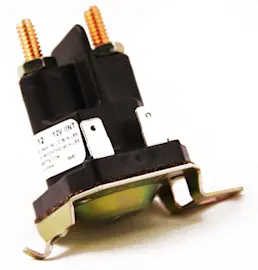
- Won’t crank or clicks: weak battery, corroded terminals, bad solenoid, or a safety switch not closing (seat, brake, PTO).
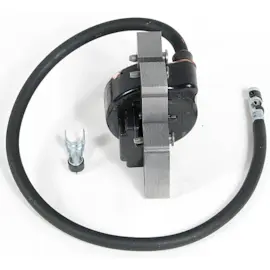
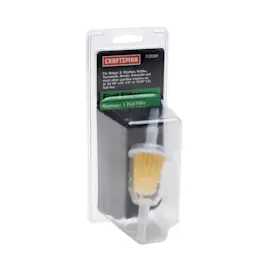
- Cranks but won’t start: stale fuel, clogged fuel filter, dirty carburetor, fouled spark plug, or plugged air filter.
- Battery keeps dying: loose battery cables, failing alternator/stator, or a parasitic draw from damaged wiring.
- Cuts uneven or leaves strips: dull/bent blades, deck not level, incorrect tire pressure, or worn deck belt.
- Poor drive or slipping: worn drive belt, idler pulley issues, or linkage out of adjustment.
- Overheats or runs rough: grass packed around cooling fins, low oil, or restricted airflow.
Quick checks we recommend before buying parts
- Verify PTO is off, brake is set, and you’re seated (safety interlock basics).
- Inspect battery connections for white/green corrosion and tighten.
- Check fuel freshness and replace old fuel.
- Look for cracked belts, missing belt keepers, and seized pulleys.
- Confirm tire pressures match sidewall specs before leveling the mower deck.
Symptom-to-system guide
| Symptom | Most likely system | First action |
|---|---|---|
| No crank | Electrical/safety interlocks | Check battery voltage and safety switches |
| Starts then stalls | Fuel/air | Check fuel flow, air filter, carburetor |
| Uneven cut | Deck setup | Set tire pressure, level deck, sharpen blades |
| Slips under load | Drive/deck belts | Inspect belts and idlers for wear |
Why it matters
Catching these issues early prevents bigger failures, like damaged wiring, ruined belts, or excessive deck spindle wear. On a riding mower like the LT1045, small setup items (belt routing, deck level, tire pressure) directly affect performance.
Last updated: March 2026
What engine is in a Cub Cadet LT1045?
The Cub Cadet LT1045 is a Series 1000 hydrostatic lawn tractor; the exact engine model can vary by production run and what was installed on your specific tractor. We use the model plate information (under the seat) and the engine ID tag to match the correct engine and service parts using the LT1045 owner's manual.
How to identify the exact engine on your LT1045
Use these checks so you get the right tune-up and repair parts (spark plug, air filter, fuel filter, starter, carburetor, muffler):
- Lift the seat and locate the tractor model plate; record the model and serial number.
- Find the engine identification label (typically on the blower housing, valve cover, or near the starter).
- Write down the engine model, spec number, and serial number from that label.
- Compare what you recorded to the engine information and diagrams in the manual.
- Use those numbers when searching parts by model on Sears PartsDirect.
Where to look (quick reference)
| What you need | Where to find it | Why it matters |
|---|---|---|
| Tractor model and serial | Underside of the seat (model plate) | Confirms you have model LT1045 and the correct parts diagrams |
| Engine model/spec/serial | Engine ID tag/label on the engine | Determines the exact engine family and correct engine parts |
| Safety and maintenance info | Operator documentation | Helps prevent misrouting belts, incorrect oil service, and unsafe operation |
Why it matters
Cub Cadet used the Series 1000 platform across multiple models (including LT1042, LT1045, LT1046, LT1050). Correctly identifying the engine prevents ordering the wrong ignition, fuel, or carburetion parts and helps ensure safe, reliable starting and mowing performance.
Last updated: February 2026
What year was Cub Cadet LT1045 made?
The Cub Cadet LT1045 riding lawn tractor was produced in the mid-2000s; most LT1045 units you’ll see in the field are from roughly 2005 through 2008. For model-specific details tied to your tractor’s exact configuration, use the LT1045 owner's manual.
How to confirm the exact year for your LT1045
Because “LT1045” is a model line and can span multiple production runs, the most reliable way to pin down the year is to match your tractor’s identification information.
- Find the model and serial number tag on the frame (commonly under the seat area or near the rear frame).
- Write down the full serial number exactly as shown.
- Compare the serial format and any date codes listed in the documentation.
- If your tractor has a Kohler engine, check the engine ID plate as well; engine build date can help narrow the tractor’s build window.
- Keep the purchase date handy if you are also tracking warranty coverage.
Where the year shows up (and where it doesn’t)
On many riding mowers, the “year” is not printed as a simple model-year like a car. Instead, it’s inferred from serial ranges, date codes, or component build dates.
| What you check | What it tells you | Best use |
|---|---|---|
| Tractor serial number tag | Production run and build window | Most accurate for the tractor |
| Engine ID plate (Kohler) | Engine build date | Helpful cross-check |
| Purchase receipt | In-service date | Warranty and maintenance history |
Why it matters
Knowing the correct production year helps us match the right diagrams and parts categories for your Cub Cadet LT1045 (deck components, PTO clutch, belts, steering, and electrical). It also helps you follow the correct maintenance intervals and specifications.
Ordering the right parts
We recommend matching parts by the full model and serial information from your tractor tag. You can then search by model number and diagrams through Sears PartsDirect.
Last updated: February 2026