 Error Codes


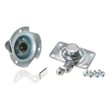
Where to find part number on GE dryer?
On a GE electric dryer like model DCXR463EA1WW, the part number is printed on the part itself, not on the model tag. Start by finding the dryer’s model and serial tag (usually inside the door opening on the door frame); then match the exact replacement part using our parts list.
Where to look first (fastest checks)
- Open the dryer door and inspect the door frame and inner door area for the model and serial label.
- If you’re replacing a common wear item (belt, idler, drum slides), the part number is typically stamped or printed on the component.
- For electrical parts (thermostat, door switch, heating element), look for a sticker or ink stamp on the housing.
- If the part is dirty or heat-darkened, wipe it clean and use a flashlight to read the marking.
- If the marking is worn off, match by model number DCXR463EA1WW and the part’s location/function.
Common part-number locations by part type
| Part type | Where the part number is usually found | Example part for this model |
|---|---|---|
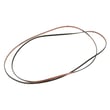
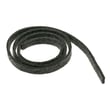
| Drum drive parts | Printed on belt, stamped on pulley/bracket | Drive belt WE03X29897 |
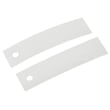
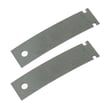
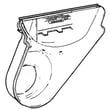
| Drum support/glide | Molded into plastic or printed on slide | Slide drum WE03X37317 |
| Heat system | Label on heater can or element frame | GE dryer heating element assembly WE11M23 |
| Safety/temperature control | Printed on thermostat body | Dryer high-limit thermostat WE4M137 |
| Door/interlock | Printed on switch body | Door switch WE4M415 |
Why it matters
GE often uses multiple versions of similar-looking parts across dryer series. Using the model number plus the exact part marking helps ensure the replacement fits, mounts correctly, and matches the electrical rating.
Tip for troubleshooting before you buy
If you’re chasing a symptom (no heat, long dry times, won’t start), use a step-by-step guide to narrow the failure to the right component before ordering parts: electric dryer wont heat troubleshooting video.
Last updated: February 2026
What are the most common issues with DCXR463EA1WW?
The most common issues we see with the GE DCXR463EA1WW electric dryer are no heat or weak heat, long dry times from restricted airflow, squealing or thumping noises from worn drum support parts, and a drum that will not tumble due to a broken belt or idler problem.
Common symptoms and likely causes
- Dryer runs but does not heat: failed heating circuit component (often the heater or a safety thermostat)
- Takes too long to dry: clogged lint screen, crushed vent hose, blocked exterior vent hood, or a weak blower wheel
- Squealing, scraping, or rumbling: worn drum slides, worn felt seal, or idler pulley wear
- Drum will not turn: broken belt, seized idler pulley, or motor issue
- Will not start: door switch not closing, timer/switch issue, or a power supply problem
Parts that commonly fix these problems
If your symptoms match, these model-compatible parts are frequent fixes:
- No heat: GE dryer heating element assembly WE11M23, dryer safety thermostat WE4M160, dryer high-limit thermostat WE4M137
- No tumble or squeal: drive belt WE03X29897, idler pulley WE03X31620, slide drum WE03X37317, felt WE09X27634
- Long dry times: dryer blower wheel WE16M15
- No start: door switch WE4M415
Quick checks we recommend before replacing parts
- Confirm power: Electric dryers need a full 240V supply; a tripped breaker can leave the dryer running with no heat.
- Check airflow: Clean the lint screen; inspect the vent path for kinks, lint buildup, or a stuck vent flap.
- Listen and look: Squeals often point to the idler or drum slides; a drum that turns by hand but not under power often points to the belt or idler.
Symptom-to-part guide (fast reference)
| Symptom | Most common area | Example part on this model |
|---|---|---|
| Runs, no heat | Heating circuit | Heating element, safety thermostat |
| Long dry times | Venting/air movement | Blower wheel |
| Squealing | Drum support/belt path | Idler pulley, drum slides |
| No tumble | Belt drive | Drive belt |
| Will not start | Door/start circuit | Door switch |
Why it matters
Catching airflow restrictions and worn drum support parts early prevents overheating, repeat thermostat failures, and drum or cabinet wear; it also restores normal dry times and reduces noise.
Last updated: March 2026
What is the average lifespan of DCXR463EA1WW?
The average lifespan of the GE DCXR463EA1WW electric dryer is about 13 years. You can often reach or exceed that with steady airflow (clean venting), correct loads, and timely replacement of wear items like the belt and drum supports.
Typical lifespan and what affects it
A dryer’s life is mostly determined by heat stress, airflow restriction, and drum drive wear.
- Vent restriction (lint buildup, crushed duct) is the biggest life-shortener
- Overloading strains the motor, belt, and idler pulley
- High heat cycles increase wear on thermostats and the heating element
- Neglected drum support can lead to noise and drum damage
- Moisture and corrosion can shorten electrical component life
Quick maintenance checklist (keeps it running longer)
- Clean the lint screen every load
- Inspect and clean the vent duct and exterior hood at least yearly
- Keep the dryer level to reduce drum and bearing wear
- Avoid back-to-back heavy loads on high heat
- Stop using the dryer if you smell burning or hear loud scraping; address it before parts fail
Common wear parts for this model
If your DCXR463EA1WW is noisy, not tumbling, or taking too long to dry, these are frequent fixes:
| Symptom | Common cause | Example part on this model |
|---|---|---|
| Drum will not turn | Worn/broken belt | Drive belt WE03X29897 |
| Squealing or rumbling | Idler or drum slides wearing | Idler pulley WE03X31620 |
| No heat or weak heat | Heater or safety controls | GE dryer heating element assembly WE11M23 |
Why it matters
A dryer that runs with poor airflow or worn drive parts dries slower, runs hotter, and cycles components harder. That increases energy use and accelerates failures in the heating circuit, motor, and thermostats.
Last updated: March 2026





