
What are the 7 major parts of a water pump?
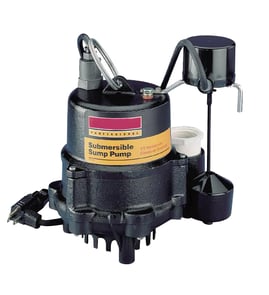
Most water pumps, including common setups used with a Craftsman 390291601 captive air tank and fittings, are built around seven core components: a power source (motor), an impeller, a pump casing, a shaft, bearings, a mechanical seal, and inlet/outlet ports that connect to your plumbing.
The 7 major parts (what each one does)
- Motor (power source): Spins the pump shaft to create water movement.
- Impeller: The rotating “fan” that pushes water through the pump.
- Pump casing (volute/housing): Directs flow and converts impeller energy into pressure.
- Shaft: Transfers motor rotation to the impeller.
- Bearings: Support the shaft so it spins smoothly and stays aligned.
- Mechanical seal (or seal set): Keeps water from leaking along the shaft.
- Inlet and outlet ports: The suction and discharge connections for piping or fittings.
Quick identification guide (symptom to likely area)
| What you notice | Most likely part area | What we check first |
|---|---|---|
| Pump runs but low flow/pressure | Impeller, casing, inlet | Clogs, debris, air leaks on suction side |
| Water leaking near the motor/pump seam | Mechanical seal | Wetness at shaft area, seal wear |
| Loud grinding or squeal | Bearings, shaft | Shaft play, bearing noise, misalignment |
| Hard starting or trips breaker | Motor, wiring | Power supply, capacitor (if equipped), wiring condition |
Why it matters
Knowing these seven parts helps us troubleshoot faster: most “no water,” “low pressure,” or “leak” complaints trace back to suction-side air leaks, a worn seal, or an impeller/casing issue rather than the entire pump needing replacement.
Helpful DIY prep before you troubleshoot
- Shut off power at the breaker before touching wiring
- Relieve system pressure and drain water where needed
- Confirm the suction line is airtight (even small leaks can stop prime)
- Check for debris at the inlet/strainer (if your setup uses one)
- Use the correct model number when looking up diagrams and parts
For model-based parts lookup and diagrams, we use the model number 390291601; you can also search by model on Sears PartsDirect.
Last updated: February 2026
What parts are connected to a water pump?
On a Craftsman water pump setup like model 390291601, the pump connects to both water-handling parts (inlet and outlet plumbing) and drive/sealing parts (shaft, seal, bearings). These connections move water, keep pressure stable, and prevent leaks.
Common parts connected to the pump
Most water pumps use the same core component groups:
- Suction (inlet) line: pipe or hose from the water source to the pump inlet
- Discharge (outlet) line: pipe or hose carrying water away from the pump
- Pump casing (housing): the body that contains the impeller and directs flow
- Impeller or diffuser/jet components (pump-type dependent): creates flow and pressure
- Shaft and coupling (or direct-drive interface): transfers motor power to the impeller
- Seal(s) and gasket(s): keep water from leaking along the shaft or at housing joints
- Bearings: support the shaft and keep it running smoothly
How the connections work (quick reference)
| Connection area | What it connects to | What it does |
|---|---|---|
| Inlet (suction) | Suction pipe, foot valve/strainer (if used) | Feeds water to the pump and helps hold prime |
| Outlet (discharge) | Discharge pipe, check valve (if used) | Sends pressurized water to the system |
| Drive side | Motor, coupling, shaft | Spins the impeller to move water |
| Sealing surfaces | Mechanical seal, O-rings, gaskets | Prevents leaks and air entry |
Why it matters
If any connected part leaks air (especially on the suction side) or restricts flow, the pump can lose prime, cycle rapidly, or deliver low pressure. Knowing what connects where helps you pinpoint whether the issue is plumbing, sealing, or the pump’s internal components.
Parts lookup and ordering tip
For model 390291601, match parts by the exact model number and the pump’s diagram location to avoid ordering the wrong seal, gasket, or fitting. If you are searching beyond the parts list for this model, use 390291601 on Sears PartsDirect.
Last updated: February 2026
Can you repair a water pump?
In most cases, we repair a Craftsman water pump system by replacing the failed component (such as the pump, seal, pressure switch, or tank fittings) rather than “rebuilding” the pump itself, because many pump assemblies are effectively sealed and wear parts are not serviced individually.
What you can realistically repair vs. replace
Many “water pump problems” are actually caused by a serviceable external part, not the pump body.
- Repair (common): replace leaking fittings, a bad pressure switch, a failed capacitor, or damaged wiring
- Replace (common): pump assembly when the housing is cracked, the impeller is damaged, or internal seals/bearings are worn
- Rebuild (uncommon): only when a rebuild kit is available for your exact pump design and the pump body is in good shape
Quick checks before you buy parts
These checks help you avoid replacing the pump when the issue is power, controls, or plumbing.
- Verify the outlet has power and the breaker is not tripped
- Inspect the cord, plug, and visible wiring for heat damage or breaks
- Check for suction-side air leaks (loose clamps, cracked hose, bad thread seal)
- Confirm the tank holds pressure; rapid pressure loss points to a leak or check valve issue
- Listen for motor hum without pumping (often points to start capacitor or mechanical binding)
Symptom-to-fix guide
| Symptom | Most likely cause | Typical fix |
|---|---|---|
| Pump runs but won’t build pressure | Air leak on suction side, clogged inlet, worn internal pumping parts | Seal leaks, clear blockage, replace pump if internal wear |
| Pump short-cycles | Waterlogged tank, pressure switch issue, system leak | Service tank/fittings, replace switch, fix leaks |
| Water leaking at pump | Loose fitting, cracked housing, failed seal | Reseal fitting, replace pump if housing/seal is not serviceable |
| Motor hums then trips | Bad capacitor, seized pump, low voltage | Test capacitor, free/replace pump, correct power issue |
Why it matters
Replacing only the failed component restores pressure and flow while preventing motor overheating, breaker trips, and repeated cycling that shortens the life of the pump and captive air tank.
For Craftsman model 390291601, we recommend matching parts by the full model number when you shop; start with the parts list for this model, or search by model at Sears PartsDirect.
Last updated: February 2026
What parts do I need to replace a water pump?
For a Craftsman 390291601 captive air tank and fittings setup, a “water pump replacement” usually means replacing the pump assembly and any sealing and connection parts that are disturbed during removal. We match the exact parts to your configuration when you search by model on Sears PartsDirect.
Parts and supplies you typically need
- Replacement pump (or pump head/assembly, depending on what failed)
- New O-rings, gaskets, or seals for any opened joints
- Thread sealant (PTFE tape or pipe thread sealant rated for water systems)
- New fittings or unions if existing threads are corroded or cracked
- Pressure switch or pressure gauge (only if testing shows they are faulty)
- Pipe nipple or short hose/connector (only if damaged during removal)
Tools that make the job go smoother
- Adjustable wrench and/or open-end wrenches
- Socket/ratchet set
- Screwdrivers
- Bucket or drain pan and towels
- Multimeter (for electrical checks)
Quick checklist before you order parts
| Check | What to confirm | Why it matters |
|---|---|---|
| Power type | 120V vs 240V motor setup | Prevents ordering an incompatible pump/motor |
| Port size | Commonly 1/4 in., 3/8 in., 1/2 in., or 3/4 in. NPT | Ensures fittings and unions match |
| Leak location | Housing seam, drain plug, fittings, or shaft area | Helps decide seal kit vs full pump |
| Symptoms | No prime, low pressure, short cycling | Points to pump vs pressure switch/tank issues |
Why it matters
Water pumps and tank fittings seal under pressure; reusing flattened gaskets or damaged threads often causes leaks, air ingestion, and short cycling. Replacing seals and using the right thread sealant prevents repeat failures.
Helpful DIY reading
If you are also troubleshooting wiring, our guide on how to use a multimeter to test electrical parts video helps you confirm whether the issue is the motor circuit, pressure switch, or a connection.
Last updated: February 2026