



How many horsepower is good for a snow blower?
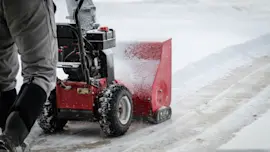
A “good” snow blower horsepower depends on the snow type and the size of the area you clear. For most homeowners, an engine in the 5 to 8 HP range handles light snow and smaller driveways well; 9 to 12 HP is a strong all-around choice for heavier, wetter snow and plow berms.
Quick HP guide by job size
- 5 to 8 HP: small driveway, lighter snowfall, shorter run times
- 9 to 12 HP: average driveway, moderate to heavy snow, better in wet snow
- 12+ HP: large areas, deep drifts, frequent heavy snow, faster clearing with less bogging
- If you often hit end-of-driveway berms: prioritize higher torque (often found in higher-HP or larger-displacement engines)
- If storage space matters: a slightly lower-HP unit can still perform well if you take narrower passes
HP vs. engine size (CC): what to look at
Horsepower numbers can vary by how they are measured, so we recommend using both HP and engine displacement (CC) as a reality check.
| What you see | What it usually tells you | Best for |
|---|---|---|
| Higher HP | More power reserve under load | Wet snow, berms, deep drifts |
| Higher CC | More torque potential | Heavy snow, steady throwing distance |
| Lower HP/CC | Lighter-duty performance | Powder snow, smaller areas |
How to choose the right power for your conditions
- Light, fluffy snow: you can run less HP and still throw snow effectively
- Wet, heavy snow: choose more power to reduce clogging and stalling
- Gravel or uneven surfaces: power helps, but skid shoe setup and slower pace matter just as much
- Long driveway: more HP reduces time and strain on the machine
- Two-stage units: typically benefit more from extra power than single-stage units
Why it matters
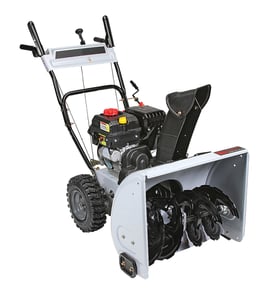
Choosing enough horsepower helps your Sears model 95052131-2 snow thrower maintain auger and impeller speed under load. That means fewer clogs, steadier throwing distance, and less wear from repeated bogging in heavy snow.
Parts note for performance issues
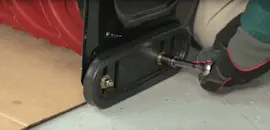
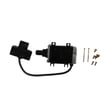
If your snowblower feels weak, the issue is often maintenance (fuel, spark, friction points) rather than “not enough HP.” When you need replacement hardware during service, we list model-matched parts such as the screw 33329H on this page, and you can also search by model number on Sears PartsDirect.
Last updated: February 2026
What brand is Sears snowblower?
For the Sears Canada snow thrower model 95052131-2, the brand is Sears. Sears sold snowblowers under several product lines over the years (including Craftsman), so the most reliable way to identify the correct brand and parts match is using the exact model number on the unit and shopping by that model on Sears PartsDirect.
How to identify the brand and model on your machine
Look for the model and serial tag on the snowblower frame (commonly near the engine, on the rear frame, or near the auger housing). Then match what you see to the parts listing for 95052131-2.
- Confirm the tag shows 95052131-2 (match characters and dashes)
- Use the model number first; decals and paint schemes can be misleading
- If the engine has its own model tag, record that too (engine parts can differ)
- Match parts by function (starter, fasteners, belts) and by diagram location
- Keep the serial number for reference when ordering
Sears vs. Craftsman: what it means for parts
Sears is the brand shown for this model page, while Craftsman is a product line Sears used on many outdoor power products. For repairs, the model number matters more than the name on the handle.
| What you see | What to use for parts lookup | Why it matters |
|---|---|---|
| “Sears” on paperwork or page title | Sears 95052131-2 | Matches the correct parts breakdown |
| “Craftsman” on decals | The exact model tag on the frame | Decals do not guarantee the same parts |
| Engine brand/model on engine shroud | Engine model tag (in addition to 95052131-2) | Some parts are engine-specific |
Common part example for this model
If you are replacing a fastener tied to the electric starter assembly, one listed part for this model is the screw 33329H. Always match the part location in the diagram and confirm fit by model number before ordering.
Why it matters
Snowblower parts like starter components, belts, shear pins, and fasteners vary by model revision. Using Sears 95052131-2 as your identifier prevents ordering a part that looks right but does not fit.
Last updated: February 2026
What is better, a 2 stage or 3 stage snow blower?
A 2-stage snowblower is the better value for most driveways because it handles deep snow well with an auger plus an impeller. A 3-stage is better when you regularly hit hard-packed plow banks or icy, heavy snow because its extra accelerator stage feeds snow faster and breaks it up more aggressively.
Quick comparison
| Feature | 2-stage snowblower | 3-stage snowblower |
|---|---|---|
| Best for | Most homes, medium to large areas | Very large areas, frequent plow banks, icy snow |
| Snow processing | Auger gathers; impeller throws | Adds accelerator to chew and feed snow faster |
| Typical tradeoffs | Lower cost, simpler, often lighter | Higher cost, heavier, more moving parts |
| When it feels “better” | Consistent performance in normal storms | Faster clearing in extreme, dense, frozen snow |
How we recommend choosing for Sears 95052131-2
Use these decision points to match the machine to your conditions and storage space:
- Choose 2-stage if you get regular snowfall, want strong throwing distance, and want the best cost-to-performance.
- Choose 3-stage if you often clear end-of-driveway piles from the plow, wet snow, or refrozen berms.
- If your driveway is gravel, prioritize adjustable skid shoes and careful auger height control (either stage can work).
- If you have tight storage or need easier maneuvering, a 2-stage is typically easier to handle.
- If you want fewer maintenance points, 2-stage designs are usually simpler.
Why it matters
The “better” choice is the one that matches your snow type. In normal powder and typical storms, a 2-stage clears efficiently. In dense, icy, or churned-up plow banks, the 3-stage accelerator can reduce clogging and speed up intake, which is where you notice the upgrade.
Parts and maintenance tip
No matter which stage you choose, keeping fasteners tight and components secure helps prevent vibration-related wear. If you are servicing your Sears Canada snow thrower, you can order model-matched parts from the list for model 95052131-2, and you can also search by model number on Sears PartsDirect. For an example of a listed part, see the screw 33329H.
Last updated: February 2026
What is the life expectancy of a snowblower?
Most gas snowblowers, including the Sears 95052131-2, have a life expectancy of 10 to 20 years with normal seasonal use and basic maintenance. Units that are stored dry, serviced yearly, and not overloaded in heavy, icy snow commonly reach the upper end of that range.
Typical lifespan by use and care
- Light use (small driveway, a few storms): 15 to 20 years
- Moderate use (regular storms, average snow): 10 to 15 years
- Heavy use (deep, wet snow; frequent clearing): 8 to 12 years
- Poor storage or skipped maintenance: 5 to 10 years
What shortens snowblower life fastest
| Wear driver | What it does | What to do about it |
|---|---|---|
| Wet, heavy snow and slush | Overloads auger/impeller and belts | Take narrower passes; slow ground speed |
| Rust and corrosion | Seizes fasteners and linkages | Dry after use; touch up paint; store covered |
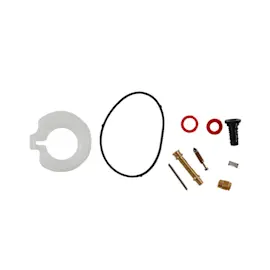
| Old fuel | Clogs carburetor and hard-starts | Use fresh fuel; run dry or stabilize before storage |
| Vibration and loose hardware | Damages mounts and housings | Check and tighten fasteners periodically |
Maintenance that adds years (high impact)
- Change engine oil on schedule and check level before each use.
- Inspect and replace worn belts, skid shoes, and scraper bar as needed.
- Keep shear pins correct for the machine; never substitute harder bolts.
- Clean packed snow from the auger housing after use and let the unit dry.
- Before off-season storage, treat fuel properly and protect against moisture.
Parts and repairs that keep an older unit going
If your electric start or engine hardware is getting loose or damaged, replacing the correct fasteners and starter-related hardware helps prevent bigger failures. For model 95052131-2, one example part listed for starter hardware is the screw 33329H. You can order model-specific replacement parts from the parts list for this model, or search by model number on Sears PartsDirect.
Why it matters
A snowblower usually fails early from fuel-system issues, rust, or running it overloaded. A few seasonal checks and timely part replacement typically cost far less than replacing the entire machine.
Last updated: February 2026