


Should I use 87 or 91 for snowblower?
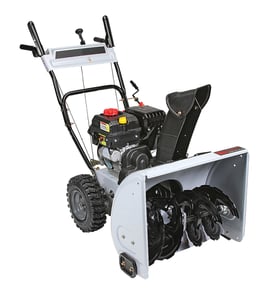
For your Snapper snow thrower model 1696001, we recommend 87 octane regular unleaded for normal operation. The bigger priority is fuel quality: use fresh gas, avoid E15/E85, and use a fuel stabilizer for storage; 91 octane only helps if it is ethanol-free.
- Use 87 octane (regular) unleaded for day-to-day snowblowing.
- Choose ethanol-free fuel when available (any octane) to reduce carburetor varnish and moisture issues.
- Avoid E15 and E85; higher ethanol blends commonly cause hard starting and fuel-system problems in small engines.
- Use fresh fuel (do not store untreated gas for long periods).
- Add fuel stabilizer any time fuel may sit more than a few weeks.
| Fuel choice | When it makes sense | What it changes |
|---|---|---|
| 87 octane (regular) | Best default for most snowblower engines | Starts and runs normally when fuel is fresh |
| 91 octane (premium) | Only worth it when it is ethanol-free or you need the best storage stability | Octane alone rarely improves power or reliability |
- At the end of the season, treat the fuel and run the engine a few minutes to pull stabilized fuel into the carburetor.
- If you store for the off-season, consider running the tank low and refilling with fresh fuel before the next use.
- Keep the fuel can sealed and stored in a cool, dry place.
- If the engine starts but surges or dies under load, fuel quality and carburetor deposits are common causes.
Most snowblower “won’t start” or “runs rough” complaints trace back to stale fuel and ethanol-related deposits, not octane rating. Using 87 octane with good fuel practices protects the carburetor and helps your Snapper 1696001 start reliably in cold weather.
For more maintenance habits that extend engine life, follow how to make your snowblower last longer.
Last updated: February 2026
What kind of oil do you mix with gas for a snowblower?
If your Snapper snow thrower model 1696001 is a 2-cycle engine, you mix 2-cycle engine oil with gasoline before filling the tank. If it is a 4-cycle engine, you do not mix oil with gas; you add engine oil to a separate crankcase.
Use these quick checks on the machine:
- Look for an oil fill cap/dipstick on the engine; if it has one, it is typically 4-cycle (no mixing).
- Look for a fuel cap label that says “mixed fuel” or shows a ratio (common on 2-cycle).
- Check the engine shroud for wording like “4-stroke” or “2-stroke.”
- If the unit has a separate oil drain plug and oil-change interval labeling, it is typically 4-cycle.
Most 2-cycle snowblower engines use one of these ratios; always follow the ratio shown on the engine label if present.
| Common ratio | Oil per 1 gallon gas | Notes |
|---|---|---|
| 50:1 | 2.6 oz | Common for many newer 2-cycle engines |
| 40:1 | 3.2 oz | Used on some engines for added lubrication |
| 32:1 | 4.0 oz | More common on older 2-cycle designs |
- Use fresh, clean gasoline and a 2-cycle oil labeled for air-cooled engines.
- Measure oil accurately; too much oil can cause heavy smoke and fouled spark plugs.
- Mix in an approved fuel container first, then pour into the tank.
- If the snowblower has been sitting, check the spark plug condition; our how to check a snowblower spark plug video walks through what to look for.
Using mixed fuel in a 4-cycle engine can cause heavy smoke and poor running; running straight gas in a 2-cycle engine can quickly damage the engine due to lack of lubrication.
Last updated: February 2026
What to do if old gas has been sitting in a snowblower?
If old gas has been sitting in your Snapper snow thrower model 1696001, drain the fuel tank and carburetor bowl, then refill with fresh gasoline (ethanol-free if available). Old fuel forms varnish that clogs jets and causes hard starting, surging, or stalling.
- Turn the engine OFF and let it cool completely.
- Shut off the fuel valve (if equipped).
- Drain or siphon the tank into an approved fuel container.
- Drain the carburetor bowl (or run the drain screw, if equipped) until fuel runs clear.
- Refill with fresh gas; add fuel stabilizer if the snowblower may sit more than 30 days.
- Start the engine and let it run 5 to 10 minutes to pull fresh fuel through the carburetor.
Old gas often leaves deposits that restrict fuel flow. Try these checks in order:
- Confirm the ignition switch is in the RUN/ON position (inspect the Snapper switch 1687904 if the switch feels loose or intermittent).
- Check the spark plug condition and gap; replace if fouled.
- Verify the choke is closing for cold start, then opening as the engine warms.
- Inspect the fuel line for cracking or blockage.
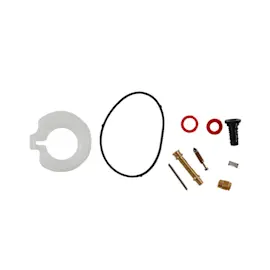
- Clean the carburetor (jets and bowl) if the engine only runs on choke or dies under load.
| Symptom after storage | Most common cause | What usually fixes it |
|---|---|---|
| Will not start | Varnished carburetor, stale fuel | Drain fuel, clean carburetor |
| Starts then dies | Restricted main jet | Carburetor cleaning |
| Surges at idle | Partially clogged pilot circuit | Carburetor cleaning |
| Runs rough under load | Water-contaminated fuel | Drain and refill with fresh fuel |
Stale gasoline breaks down and leaves gum deposits that plug small carburetor passages. Clearing the old fuel first prevents repeated no-start issues and helps protect the carburetor and fuel system.
For preventive maintenance that helps reduce storage-related problems, follow the steps in how to make your snowblower last longer.
Last updated: February 2026