Owner’s manual



How do I know what model range hood I have?
To identify your range hood model, find the rating label on your Kenmore range hood and match the model number printed there to your paperwork. For Kenmore model 23352423200, the label is commonly on the top, the underside, or behind a grease filter; confirm the exact location in the 23352423200 owner's manual.
We see the model label in a few common spots on range hoods like this:
- On the top of the hood canopy (often easiest to see with a flashlight)
- On the underside of the hood near the controls
- Behind or near the grease filter area (remove the filter to check)
- Near the wiring area or electrical box cover (power off first)
Model numbers can look similar, so use these checks:
- Copy the model number exactly as printed (all digits, no spaces)
- Compare it to your purchase paperwork or installation documents
- Use the model number to select the correct parts list and diagrams
- If you see multiple numbers, use the one labeled Model (not a part number)
| What you found on the label | What it usually means | What to do next |
|---|---|---|
| Model number (example: 23352423200) | Identifies the exact hood version | Use it to look up parts and instructions |
| Part number | Identifies one component | Use it only when ordering that specific part |
| Serial number | Production tracking | Keep it for service records |
Using the exact model number helps us match the correct grease filter, blower assembly, and wiring components for your hood. It also ensures you follow the right installation clearances and electrical guidance for your specific unit.
Last updated: January 2026
What's the best CFM for a range hood?
For a Kenmore range hood like model 23352423200, the “best” CFM is the lowest airflow that still clears smoke and odors for your cooking style. In most homes, about 150 to 250 CFM works well for everyday cooking; higher CFM is mainly helpful for heavy frying, wok cooking, or high-heat searing.
Use these practical guidelines to match airflow to how you cook and how your home is built:
- Light cooking (simmering, occasional sautéing): 150 to 250 CFM
- Moderate cooking (daily sautéing, some frying): 250 to 400 CFM
- Heavy cooking (frequent frying, high heat, lots of smoke): 400 to 600+ CFM
- Tight, well-sealed homes: avoid oversizing; very high CFM can increase backdraft risk
- Bigger cooktops and longer duct runs: often need more CFM to overcome duct resistance
Airflow on the box is not what you get if the duct system is restrictive. For this model, the installation instructions call out key fit and placement details in the 23352423200 range hood manual.
- Keep duct runs short and straight when possible
- Minimize elbows; each bend reduces airflow
- Make sure the damper opens freely; a sticking damper can choke airflow
- Confirm the hood is mounted at the recommended height (the manual shows 24 to 30 inches above the cooking surface)
| Cooking style | Typical target CFM | What to prioritize |
|---|---|---|
| Light | 150 to 250 | Quiet operation, basic odor removal |
| Moderate | 250 to 400 | Better smoke capture, good ducting |
| Heavy | 400 to 600+ | Strong capture, makeup air planning |
Right-sizing CFM helps your hood capture grease and smoke without creating new problems like excess noise, poor capture due to bad ducting, or pressure issues in a tight home.
If your hood is loud, weak, or inconsistent, a clogged grease filter or airflow restriction is often the real issue; our range hood fan not pulling much air guide walks through the most common causes.
Last updated: January 2026
Can range hoods be repaired?
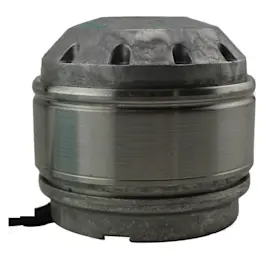
Yes. Kenmore range hoods like model 23352423200 are designed to be serviced; most problems are fixed by cleaning the grease filters, correcting venting issues, or replacing common wear parts such as the blower assembly, blower wheel, or power cord. See the 23352423200 owner’s manual for model-specific service and safety steps.
- Poor airflow from clogged grease filters or blocked ducting
- Noisy operation from a dirty or damaged blower wheel
- Fan not running due to a failed motor/blower assembly or a power issue
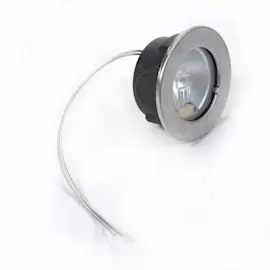
- Lights not working due to burned-out bulbs (Type T4, 12V, 20W)
- Hood dead or intermittent due to a blown fuse (5x20 mm, 4A, 125V)
- Cut power at the breaker before opening the hood.
- Clean the grease filters with warm detergent solution (dishwasher-safe per the manual).
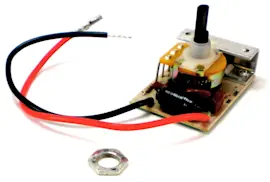
- Confirm the blower switch is not in position 0 (off).
- Inspect venting: a loose damper or restricted duct can reduce airflow.
- Check the fuse if the hood has no power (replace only with the same rating).
| Symptom | Likely fix | Example part for this model |
|---|---|---|
| Fan runs but airflow is weak | Clean filters, check damper and duct | Range hood grease filter SB08087294, range hood round damper, 6-in SB08088378 |
| Loud rattling or vibration | Clean or replace blower wheel, verify mounts | Range hood blower wheel assembly SB03295076, motor mount SB03204177 |
| Fan will not run | Test/replace blower assembly | Range hood blower assembly SB06001991 |
A working range hood protects cabinets and indoor air quality by removing grease, smoke, and odors. Keeping filters clean and venting clear also reduces strain on the blower motor and helps the hood run quieter.
Last updated: January 2026
What is the life expectancy of a range hood?
Most Kenmore range hoods like model 23352423200 last 10 to 20 years, with about 15 years being typical in normal home use. The parts that most often shorten life are the blower and motor components, plus neglected filter maintenance (grease buildup makes the fan work harder).
- Grease filter cleaning frequency (dirty filters restrict airflow)
- How often you cook (especially frying, high heat, heavy smoke)
- Vent setup (blocked or poorly sized ducting increases load)
- Motor and blower wear (the main moving parts)
- Electrical health (proper grounding and stable power)
The 23352423200 manual calls out regular filter care: grease filters should be cleaned frequently (dishwasher safe), and charcoal filters (for non-ducted setups) are typically changed about every 6 months. For the exact removal steps and cleaning guidance, use the 23352423200 owner’s manual.
| Task | Typical interval | Why it matters |
|---|---|---|
| Clean grease filters | Monthly (more often with heavy cooking) | Restores airflow and reduces strain on the blower |
| Replace charcoal filter (recirculating) | Every 6 months | Keeps odors under control and maintains performance |
| Wipe hood surfaces | Weekly | Prevents grease film buildup and corrosion risk |
If you notice any of the issues below, the hood may still be worth repairing because the cabinet and ductwork usually outlast the moving parts.
- Fan runs but airflow is weak
- Fan is unusually noisy or rattles
- Fan will not start on some speeds
- Burning smell or repeated fuse issues
- Excess grease collecting on cabinets despite normal use
| Symptom | Common fix | Example part for this model |
|---|---|---|
| Loud, weak, or intermittent fan | Replace blower assembly | Range hood blower assembly SB06001991 |
A range hood that is maintained and venting properly removes smoke, grease, and moisture more effectively; that protects cabinets, improves indoor air quality, and reduces stress on the blower motor.
Last updated: January 2026