Owner’s manual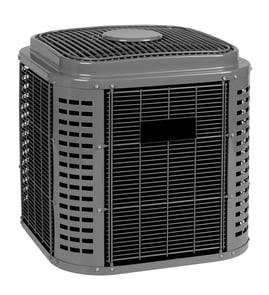

Is 2.5 ton AC big enough for 2000 sq ft?
A 2.5-ton (30,000 BTU/hr) central AC can cool about 2,000 sq ft in many homes, but it is only “big enough” when the home’s heat gain matches that capacity. For an Icp N2A330AKA200 split-system air conditioner, we recommend sizing by a Manual J load calculation and then matching the indoor coil and TXV setup shown in the owner's manual.
A common starting point is about 500 to 800 sq ft per ton, which puts 2,000 sq ft in the 2.5 to 4 ton range depending on conditions.
Key factors that push you up or down:
- Climate and design temperature (hotter areas usually need more capacity)
- Insulation and air sealing (attic, walls, duct leakage)
- Window size, orientation, and shading
- Ceiling height and open floor plans
- Internal loads (people, cooking, electronics)
Sizing affects comfort, humidity, and run time.
| If the AC is... | Common symptoms | What you notice most |
|---|---|---|
| Undersized | Long run times, struggles on hottest days | Higher indoor temps late afternoon/evening |
| Oversized | Short cycling, uneven temps | Poor humidity control, clammy feel |
Even with the right tonnage, installation details can make a correctly sized system perform like the wrong size. For the N2A330AKA200, these items matter:
- Clearances: keep about 48 in. above for discharge air and 18 in. on coil sides for intake air (one side can be reduced to 6 in. in some layouts)
- Line set length: total refrigerant line set should not exceed 200 ft
- Long lines: use a crankcase heater when line length exceeds 80 ft
- Charging: outdoor units are typically charged for a matched indoor coil and 15 ft of line; adjust charge by 0.6 oz per foot difference, then finalize using subcooling with an indoor TXV
A Manual J-based size selection helps you avoid comfort problems and efficiency losses. It also helps ensure the outdoor unit, indoor coil, refrigerant charge, and airflow are all working together as designed.
Last updated: February 2026
What is the most expensive part to replace on an AC unit?
On an Icp split-system air conditioner like model N2A330AKA200, the most expensive single component to replace is typically the compressor because it is the sealed-system “pump” that drives refrigerant flow and often requires refrigerant recovery, evacuation, and precise recharging. In many cases, compressor replacement also triggers additional parts and labor.
- It is part of the sealed refrigeration system (refrigerant handling and leak checks add labor)
- Diagnosis often involves electrical and pressure testing
- A failure can be related to airflow, charge, or electrical issues that must be corrected
- The repair may include replacing additional components to protect the new compressor
- Downtime is higher because the system must be evacuated and recharged correctly
While the compressor is usually the top-cost item, these can also be expensive depending on the failure:
| Component | Why it can get expensive | Common symptom examples |
|---|---|---|
| Compressor | Sealed-system labor plus refrigerant work | Won’t start, trips breaker, locked rotor |
| Outdoor fan motor or fan blade | Parts plus labor; airflow issues can cascade | Overheating, pressure trips, loud noise |
| Electrical controls (contactor, wiring) | Diagnosis time; heat damage can spread | No outdoor start, intermittent cooling |
| Refrigerant metering device (TXV at indoor coil) | Requires correct matching and setup | Poor cooling, coil freeze-up |
For this model, we commonly see service calls tied to electrical controls and airflow. The owner's manual includes troubleshooting guidance such as pressure trips, long run time, and short cycling, which are often related to airflow, refrigerant charge, or control issues.
Turn off power at the disconnect before inspecting anything.
- Confirm the thermostat is calling for cooling and the indoor blower runs
- Check for a dirty or blocked condenser coil and poor outdoor airflow
- Listen for the contactor pulling in; a failed contactor can mimic a bad compressor
- Look for obvious wiring damage or loose connections
- If the unit has a crankcase heater, follow the 24-hour energize step before start-up (noted in the manual)
If you need a common electrical replacement for this unit, the central air conditioner contactor 1172472 is one of the model-specific parts we list for N2A330AKA200.
Misdiagnosing a compressor can lead to unnecessary high-cost repairs. Verifying airflow, electrical controls, and charge-related symptoms first helps you fix the real cause and protect major components.
Last updated: February 2026
How to find AC parts?
To find the right parts for your Icp N2A330AKA200 central air conditioner, match parts by the exact model number on the unit data plate, then use the parts list for that model to select the correct component. For diagrams and model-specific details, use the owner's manual.
- Confirm the model number is N2A330AKA200 (match every character).
- Identify the system area: electrical (contactor, wiring), fan section (fan blade), or refrigerant service (service valve).
- Use the symptom to narrow the part category (no cooling, fan not running, won’t start, intermittent operation).
- Compare the part name and ID to what you need before ordering.
- Follow electrical safety basics: turn off the main (remote) disconnect and lock out/tag out before inspecting wiring or controls.
If your symptoms point to one of these areas, these are model-matched parts available for N2A330AKA200:
- Electrical switching: central air conditioner contactor 1172472
- Outdoor fan airflow: Icp central air conditioner condenser fan blade 1173853
- Grounding connection: lug ground 1172300
- Refrigerant service connection: service valve 1185864
| What you notice | Common area to check | Example part on this model |
|---|---|---|
| Outdoor unit will not start | Control power and switching | Contactor |
| Outdoor fan runs poorly or is noisy | Fan blade and fan motor area | Condenser fan blade |
| Intermittent cooling call | Low-voltage wiring, contactor coil | Contactor |
| Service work on refrigerant lines | Service valves (keep factory charge protected) | Service valve |
Central air conditioner parts are highly model-specific. Using the exact N2A330AKA200 model match helps ensure correct fit, correct electrical ratings, and proper system operation after repair.
Last updated: February 2026
Can I replace AC spare parts myself?
Yes, you can replace some parts on your Icp N2A330AKA200 split-system air conditioner yourself, but only if the job is strictly electrical or mechanical and you can safely shut off and lock out power. Any repair involving refrigerant lines, brazing, or charge adjustment should be handled by a qualified technician per the safety guidance in the owner's manual.
These tasks stay on the low-voltage or basic component side and do not open the sealed refrigeration system.
- Replace a worn or damaged electrical contactor (after verifying the correct match)
- Replace a condenser fan blade if it is bent, cracked, or wobbling
- Tighten or replace a damaged ground lug or corroded ground connection
- Inspect and re-seat thermostat/control wiring connections (if you can identify terminals correctly)
- Clean debris from the outdoor unit and straighten lightly bent coil fins (carefully)
Model-matched parts we list for N2A330AKA200 include:
| Symptom you might see | Common DIY suspect | Example part on this model |
|---|---|---|
| Outdoor unit clicks but fan will not run | Fan blade damage or obstruction | Icp central air conditioner condenser fan blade 1173853 |
| Outdoor unit will not pull in/engage | Contactor not closing | Central air conditioner contactor 1172472 |
| Intermittent operation, visible corrosion at ground | Poor ground connection | Lug ground 1172300 |
These repairs create serious shock, fire, and refrigerant risks and commonly require specialized tools.
- Open the refrigerant circuit (service valves, line set, coil connections)
- Braze/solder refrigerant tubing
- Adjust refrigerant charge (the manual notes charge changes when line length or coil differs)
- Bypass safety controls or modify wiring beyond like-for-like replacement
The manual emphasizes turning off the main (remote) electrical disconnect and notes there may be more than one disconnect.
- Set the thermostat to OFF before starting
- Turn OFF the main disconnect(s) to the outdoor unit and indoor equipment
- Lock out and tag out the disconnect if possible
- Use a multimeter to confirm power is actually off before touching wiring
- Take a photo of all wire positions before removing anything
Central air conditioners combine high-voltage power, moving parts, and (in many repairs) refrigerant handling. Staying within safe, like-for-like component replacement helps prevent equipment damage, nuisance trips, and personal injury.
Last updated: February 2026
Why is my central AC suction line not cold?
If the suction (large copper) line on your Icp N2A330AKA200 is not cold or sweating while the thermostat is calling for cooling, the system is not moving heat correctly. The most common causes are the outdoor unit not running, low airflow causing coil freeze-up, or a low refrigerant charge.
- Set thermostat to COOL; setpoint below room temperature.
- Replace a dirty return-air filter; confirm supply vents are open.
- Check the outdoor unit: condenser fan should run during a cooling call.
- Check for ice on the suction line or indoor coil; if iced, turn COOL off and run FAN to thaw.
- Check the breaker/disconnect; reset a tripped breaker once.
| Likely cause | What you may observe | Next step |
|---|---|---|
| Outdoor unit not running | No fan, no compressor sound | Check power, wiring, and controls |
| Failed control component | Outdoor unit stays off during a call | A tech can test the central air conditioner contactor 1172472 |
| Low airflow and coil freeze-up | Ice, weak airflow, poor cooling | Filter, blower operation, duct restrictions |
| Low refrigerant charge or restriction | Weak cooling, possible icing, long run times | Technician checks charge and restrictions |
The N2A330AKA200 documentation stresses insulating the entire suction line and avoiding kinks in refrigeration tubing; damaged or poorly routed lines change pressures and temperatures and can lead to poor cooling. Use the refrigerant line and service valve cautions in the owner's manual.
- Breaker trips again after reset.
- Outdoor fan runs but the compressor will not start.
- You suspect a refrigerant leak, restriction, or electrical burning smell.
A warm suction line usually means the indoor coil is not absorbing heat; continued operation can lead to icing and compressor stress.
Last updated: February 2026