Owner’s manual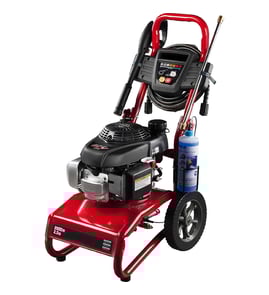





What's the highest PSI for a pressure washer?
For the Craftsman pressure washer model 580753000, the rated working pressure is 3000 PSI (this is the highest pressure the unit is designed to produce safely). Across the broader market, the “highest PSI” depends on the category: homeowner units are lower, while industrial water blasters can be far higher.
Here are typical PSI ranges we see by category (higher PSI is not always better for every job):
- Light-duty electric: ~1,300 to 2,000 PSI
- Mid-duty electric or small gas: ~2,000 to 3,100 PSI
- Heavy-duty gas (commercial): ~3,200 to 4,500 PSI
- Ultra-high pressure industrial: ~7,000 PSI and up (specialized equipment)
For your specific Craftsman 580753000, the manual lists 3000 PSI and 2.7 GPM flow rate. Check the 580753000 owner's manual for the full specifications and operating limits.
PSI measures force; GPM measures how much water is delivered. Cleaning speed and rinsing power depend on both.
| Spec | What it affects | What your 580753000 is rated for |
|---|---|---|
| PSI | Stripping power, risk of surface damage | 3000 PSI |
| GPM | Rinsing speed, how fast you clean | 2.7 GPM |
- Match the spray tip to the job; a narrower tip increases impact on the surface.
- Keep the water supply strong; this model needs more than 3.7 GPM supply and at least 20 PSI at the washer end of the garden hose.
- Purge air from the pump before starting by squeezing the trigger with water on.
- Avoid running hot supply water; keep inlet water under 100°F.
- If pressure surges or seems stuck high, the unloader system may need service; see pressure washer sprays too hard.
Using a PSI rating above what the surface can handle can etch concrete, shred wood fibers, and force water behind siding. Staying within the machine’s rated pressure and choosing the right tip gives better cleaning with less damage.
Last updated: January 2026
Can you put 87 gas in a pressure washer?
Yes. For the Craftsman pressure washer model 580753000, regular unleaded gasoline with an 87 octane rating is the standard, safe choice for normal operation. Use fresh fuel and follow the fueling and storage guidance in the 580753000 owner's manual.
- Use fresh, clean unleaded gasoline (stale fuel is a top cause of hard starting and surging).
- Avoid leaving fuel sitting in the tank for long periods; fuel can form deposits in the carburetor during storage.
- If the unit will sit more than 30 days, treat the fuel with a stabilizer and store it properly.
- Keep the fuel valve and controls in the correct positions for starting and running (as shown in the manual).
- Never run the engine without the recommended oil level; the manual warns this can cause engine failure.
Higher octane (89 to 93) generally does not increase cleaning power; pressure output is primarily tied to engine speed and pump condition. Use higher octane only if your engine manufacturer specifically calls for it.
| Fuel choice | Typical result in a gas pressure washer | When to use it |
|---|---|---|
| 87 octane regular unleaded | Normal starting and running | Everyday use for most units |
| 89 to 93 octane | Usually no noticeable benefit | Only if required by engine specs |
| Old or contaminated fuel | Hard starting, surging, power loss | Do not use; drain and replace |
Using the correct fuel helps prevent gum and varnish buildup in the fuel system during storage, which can lead to starting problems and poor performance. Proper storage steps also help protect the pump and seals.
For storage and seasonal care, follow the 580753000 owner's manual and consider the steps in steps for winterizing and storing a pressure washer.
Last updated: January 2026
Is the Craftsman pressure washer 3100 PSI any good?
Yes, the Craftsman 580753000 is a strong choice when you want high-pressure cleaning power; it is built around a 3000 PSI class design and typically performs well for driveways, siding, and equipment when it’s set up and maintained correctly. Most “not good” experiences come from setup issues, running the pump without water, or worn pump components.
- Removes heavy grime faster than most electric units.
- Works best with the correct spray tip and steady water supply.
- Needs routine maintenance (oil, air filter, winterizing) to stay reliable.
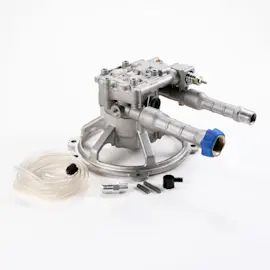
- Pump performance depends heavily on seals, valves, and the unloader.
Use these steps before judging performance; they prevent common pressure loss, surging, and leaks.
- Confirm full water flow to the pump before starting the engine.
- Purge air: squeeze the trigger until water flows smoothly.
- Inspect the high-pressure hose for bulges, cuts, or leaks.
- Verify the spray tip is not clogged and is the right angle for the job.
- If pressure pulses, suspect the unloader or check valves.
| What you notice | Most common cause | What to do next |
|---|---|---|
| Low pressure but engine runs fine | Worn valves or seals | Check pump service kits; consider pressure washer pump ball and spring kit 194427GS |
| Pressure surges or spikes | Unloader valve sticking | Follow how to replace a pressure washer unloader valve guidance |
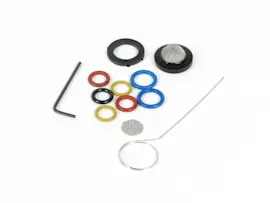
| Water leaking at pump fittings | O-ring wear or damage | Inspect and replace O-rings as needed |
| Hose leaks or feels weak | Hose damage or worn couplers | Replace the hose if compromised |
A 3000 to 3100 PSI gas pressure washer can be “very good” for homeowners, but only if the pump is protected (never run dry) and wear items are handled early. Small pump issues (valves, O-rings, unloader) quickly turn into big performance complaints.
For model-specific operating and maintenance steps, follow the 580753000 owner's manual.
Last updated: January 2026
What is a good GPM for a 3000 PSI pressure washer?
For a 3000 PSI pressure washer, a good flow rate is typically 2.5 to 3.5 GPM for most homeowner cleaning. Your Craftsman 580753000 is rated at 3000 PSI and 2.7 GPM, which is a solid, practical combination for decks, siding, driveways, and general outdoor cleanup when paired with the right spray tip.
GPM (gallons per minute) is the amount of water the pump delivers. Higher GPM usually cleans faster because it rinses and carries away dirt more effectively.
Common expectations for 3000 PSI units:
- 2.3 to 2.8 GPM: typical homeowner performance (good all-around)
- 3.0 to 3.5 GPM: faster rinsing and quicker cleaning on large areas
- 4.0+ GPM: more “pro” speed, often requires more water supply capacity
Even if the pressure washer is rated at 2.7 GPM, it still needs a strong supply at the hose bib to avoid starving the pump.
We recommend checking these basics before you judge performance:
- Use a garden hose supply that can deliver more than 3.7 GPM
- Make sure supply pressure is at least 20 PSI at the pressure washer end of the hose
- Keep inlet water temperature under 100°F
- Purge air from the pump before starting
| Cleaning goal | Good target at 3000 PSI | What you get |
|---|---|---|
| General homeowner use | 2.5 to 3.0 GPM | Balanced cleaning and water use |
| Faster cleaning on big areas | 3.0 to 3.5 GPM | Quicker rinsing, less time per job |
| Heavy-duty speed | 4.0+ GPM | Fastest results, needs strong water supply |
PSI helps break dirt loose, but GPM is what rinses it away. If your Craftsman 580753000 feels weak, the issue is often water supply, a clogged inlet screen, a worn unloader, or a pump valve problem, not the PSI rating.
- Confirm you are using the correct spray tip for the job (a smaller orifice increases pressure at the nozzle)
- Inspect the high-pressure hose for kinks or internal damage
- If pressure surges or won’t regulate, consider the pressure washer unloader valve kit 193126GS
- If pressure is low and pulsating, check valves are a common cause; see the how to install a pressure washer check valve kit guide
- Use the 580753000 owner's manual for the exact specifications and operating steps
Last updated: January 2026