Owner’s manual
 Error Codes


What is the average lifespan of a Maytag washing machine?
Most Maytag washing machines, including the Maytag MVWB300WQ0 top-load washer, typically last 10 to 13 years with normal household use. Consistent maintenance, correct detergent, and avoiding chronic overloading are the biggest factors that keep the drive system, suspension, and drain components running longer.
What affects washer lifespan the most
- Load size and balance: frequent overloading or washing heavy, unbalanced items speeds up wear on the suspension and drive.
- Detergent choice: this washer is designed for HE (High Efficiency) detergent; non-HE detergent can cause oversudsing, longer cycles, and performance issues.
- Water quality: hard water and sediment can contribute to valve and pump problems over time.
- Drain health: coins, lint, and small items can strain the drain pump and hoses.
- Level installation: an unlevel washer increases vibration and wear.
Maintenance habits that extend life
- Use the correct amount of HE detergent and avoid extra soap.
- Run periodic cleaning cycles and wipe the lid and tub ring area dry.
- Keep loads evenly distributed; mix large and small items.
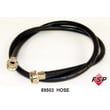
- Check fill hoses for bulges or leaks and replace as needed.
- Address new noises early (grinding, roaring, or banging) before they become major failures.
Common wear items vs. major repairs (typical)
| Symptom | Often related to | Example part for MVWB300WQ0 |
|---|---|---|
| Won’t drain or drains slowly | Drain pump or blockage | Water pump W10536347 |
| Loud roar during spin | Bearing/shaft wear | Tub bearing and drive shaft kit (major repair) |
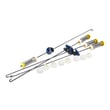
| Excessive shaking/banging | Suspension wear or unleveling | Suspension rod kit |
| Won’t start or lid won’t lock | Lid lock issue | Lid lock |
Why it matters
Knowing the typical 10 to 13 year lifespan helps you decide whether to invest in a repair (like a pump or lid lock) or plan for replacement if multiple major components are wearing out at once. For model-specific operating and care guidance, follow the MVWB300WQ0 use and care guide.
Last updated: January 2026
What is the capacity of the Maytag mvwb300wq0?
The Maytag MVWB300WQ0 top-load washer has a 4.0 cu. ft. capacity, which is considered a large-capacity tub for handling bigger loads like towels, jeans, and bedding. For cycle and loading guidance that matches this capacity, use the MVWB300WQ0 owner's manual.
What 4.0 cu. ft. means for everyday loads
A 4.0 cu. ft. washer like the MVWB300WQ0 typically supports:
- Medium loads: everyday mixed laundry
- Large loads: multiple towels or several pairs of jeans
- Bulky items: bedding (wash one bulky item at a time for best balance)
- Better turnover: fewer loads per week compared to smaller tubs
Loading tips that protect wash performance
How you load affects cleaning, spin, and vibration more than the number on the spec sheet.
- Load items loosely; do not pack or compress
- Keep the load evenly distributed around the washplate
- Mix large and small items to reduce out-of-balance spinning
- Use HE detergent and measure carefully to avoid oversudsing
- If you need more rinsing, use the Extra Rinse option described in the MVWB300WQ0 owner's manual
Quick reference: capacity comparison
| Washer capacity | Typical use | What you may notice |
|---|---|---|
| 3.0 to 3.5 cu. ft. | Smaller households | More loads for towels/bedding |
| 4.0 cu. ft. (MVWB300WQ0) | Most families | Good balance of size and efficiency |
| 4.5+ cu. ft. | Very large loads | More room, but load balance matters |
Why it matters
Capacity helps you choose the right load size and cycle so the washer can agitate, rinse, and spin correctly. Overloading can lead to poor cleaning, longer cycle times, and more vibration.
Last updated: January 2026
Is it worth repairing a Maytag MVWB300WQ0 washer?
Yes, repairing a Maytag MVWB300WQ0 washer is usually worth it when the machine is otherwise in good shape and the problem is limited to a common service part (drain pump, lid lock, hub, suspension). If the repair involves major drive or tub work, compare the total repair cost to replacement.
Quick way to decide
- Repair it when the washer fills and drains normally, the tub is solid (no loud bearing roar), and the estimate is reasonable.
- Replace it when you have repeated breakdowns, severe vibration, or signs of major drivetrain or tub damage.
What to check first (fast triage)
- Look for error codes and run the recommended checks in the MVWB300WQ0 owner's manual.
- Confirm the symptom category:
- No drain or slow drain (often the drain pump)
- Won’t start or lid won’t lock (often the lid lock)
- Grinding, slipping, or poor agitation (often the hub or washplate area)
- Excessive shaking (often suspension)
- Price the likely part and add labor time if you are not doing DIY.
Typical repair cost drivers (parts examples)
| Symptom | Common part involved | Example part for MVWB300WQ0 |
|---|---|---|
| Won’t drain | Drain pump | Water pump W10536347 |
| Won’t lock/start | Lid lock | Washer lid lock WPW10619844 |
| Won’t agitate/spins poorly | Drive hub | Hub W10820039 |
| Loud roar, leaks at shaft | Bearing/shaft kit | Whirlpool washer tub bearing and drive shaft kit W10435302 |
Warranty context that can affect the decision
This model’s warranty coverage (as described in the manual) includes one year of parts and labor for defects, and years 2 through 10 coverage on the drum motor (stator and rotor only) and stainless steel basket side walls for qualifying defects. Use that information to decide whether a repair might be partially covered.
Why it matters
A targeted repair on a top-load Maytag like the MVWB300WQ0 can restore performance for far less than replacement, but major tub or drive-system repairs can approach the value of the washer. Making the decision based on the failure type prevents overspending.
Last updated: January 2026
What is the most common problem with Maytag washer top loader?
On a Maytag top-load washer like model MVWB300WQ0, the most common service issues are “won’t spin/drain” symptoms and excessive vibration or out-of-balance operation. These problems are often tied to lid locking, draining, or load and leveling conditions described in the MVWB300WQ0 owner's manual.
Most common symptoms and what usually causes them
- Washer won’t spin or stops mid-cycle: lid lock not engaging, or the washer is pausing as part of normal operation.
- Washer won’t drain or drains slowly: drain restriction, slow/clogged standpipe, or a failing drain pump.
- Loud banging, shaking, or walking: washer not level, floor flexing, or an unbalanced load.
- Long cycles, poor rinsing, or error behavior: oversudsing from using non-HE detergent.
- Water backing up or splashing: overloaded or unbalanced load, or a slow household drain.
Quick checks we recommend first (fast, no parts)
- Confirm you are using HE (High Efficiency) detergent and reduce the amount if you see excess suds.
- Redistribute the load; keep the load height at or below the top row of basket holes.
- Verify the washer is level and the feet are firmly on the floor; tighten the locknuts.
- Check the drain setup: the drain hose should be secured to a standpipe or laundry tub, and the household drain must handle high flow.
- If the washer is humming/gurgling during drain, that can be normal pump sound.
Parts that commonly fix “won’t spin/drain” complaints
| Symptom | Common part to inspect | What it affects |
|---|---|---|
| Won’t spin, lid-related errors | Washer lid lock WPW10619844 | Prevents spinning when the lid is not locked |
| Won’t drain, water left in tub | Water pump W10536347 | Pumps water out during drain and spin |
| Shaking, out-of-balance | Suspension W10247710 | Stabilizes the tub during agitation and spin |
Why it matters
These issues often look like a “bad washer,” but they are usually caused by setup (leveling, drain flow), loading habits, or a single wearable part (lid lock, pump, suspension). Fixing the root cause prevents repeat failures and protects the drive system.
Last updated: January 2026