Installation guide
 Owner’s manual
 Error Codes



What is the disadvantage of a side-by-side fridge?
The biggest disadvantage of a side-by-side refrigerator like the Jenn-Air JS42SEDUDW20 is reduced usable width on each shelf; wide items (pizza boxes, party platters, large roasting pans) often do not fit well. Side-by-side designs also tend to need more door-swing clearance planning in tight kitchens; the installation guide shows specific door-swing and corner-clearance requirements.
Common drawbacks to expect
- Narrower refrigerator and freezer compartments can limit storage for wide or bulky items.
- More “vertical stacking” is needed, which can make organization harder for large containers.
- Door swing and corner clearance can be a bigger planning issue in some layouts.
- In-door ice and water features can reduce usable door-bin space (model dependent).
- Some users find freezer organization less convenient for large frozen boxes.
Space and clearance considerations (installation-related)
For built-in and cabinet-adjacent installs, clearance matters as much as interior space. The JS42SEDUDW20 installation guidance calls out corner clearance so the doors can open fully.
| Situation | What typically happens | What to do |
|---|---|---|
| Fridge next to a corner wall | Door may not open wide enough for full drawer/bin access | Plan for the minimum side clearance noted in the installation guide |
| Custom panels or handles | Thicker panels can require extra clearance | Confirm panel thickness and swing before final install |
| Tight aisle in front of fridge | Doors can block traffic flow | Measure door swing and walkway width |
Why it matters
If you regularly store wide trays, sheet pans, or large pizza boxes, a side-by-side layout can feel restrictive even when total cubic feet is high. Planning door swing clearance up front also prevents day-to-day frustration accessing bins, shelves, and drawers.
Quick tips to reduce the downside
- Use narrower bins and stackable containers to take advantage of vertical space.
- Store wide platters on adjustable shelves when possible.
- Keep frequently used items at mid-height to reduce “digging” in narrow sections.
- Verify corner-wall clearance before moving the refrigerator into its final position.
Last updated: February 2026
What is the life expectancy of a JennAir refrigerator?
Jenn-Air refrigerators typically last 15 years. With consistent maintenance (clean airflow, good door sealing, and on-time filter changes), many run 10 to 20 years. For your Jenn-Air JS42SEDUDW20 built-in side-by-side, follow the care and operating guidance in the JS42SEDUDW20 owner's manual to help maximize service life.
Typical life expectancy (what to plan for)
Most premium built-in refrigerators fall into these ranges:
| Appliance type | Typical life expectancy | What usually ends life first |
|---|---|---|
| Built-in side-by-side refrigerator (like JS42SEDUDW20) | 10 to 20 years (typical is ~15) | Sealed system wear, control issues, fan failures |
| Standard freestanding refrigerator | 10 to 15 years | Compressor start components, defrost issues |
What shortens or extends refrigerator life
We see lifespan track closely with a few practical factors:
- Airflow and heat removal: blocked grilles or dusty condenser areas make the compressor work harder.
- Door seal condition: air leaks cause longer run times and temperature swings.
- Stable cabinet leveling and alignment: helps doors close consistently and reduces gasket wear.
- Water system upkeep: timely filter changes help maintain flow and reduce valve strain.
- Temperature settings and loading habits: extreme settings and overpacking restrict airflow.
Maintenance checklist that pays off
Use this as a simple routine for a Jenn-Air side-by-side:
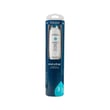
- Replace the water filter about every 6 months (or sooner if flow drops) using the refrigerator filter EDR3RXD1.
- Keep the door gaskets clean and check for gaps; correct sealing problems early.
- Maintain clear airflow at the grille and vents; do not block interior air returns.
- After installation or moving the unit, confirm it is level and doors align properly using the installation guide.
- If cooling sounds change (rattling, grinding, or no fan noise), address airflow and fan issues promptly.
Why it matters
A refrigerator that runs hotter, leaks air, or has restricted airflow cycles longer and stresses the compressor and controls. Small fixes (leveling, sealing, filter changes) often prevent the expensive failures that end a refrigerator’s usable life.
Last updated: February 2026
What are the most reliable side-by-side refrigerators?
If you want a reliable side-by-side refrigerator, we recommend prioritizing proven temperature control, simple ice and water systems, and strong parts availability. In general, GE and KitchenAid side-by-sides have a strong reliability reputation; Whirlpool-built designs are often solid when you choose fewer “extra” features.
What “reliable” means in real-world use
Reliability is usually about consistent cooling and fewer service calls for common failure points (ice maker, dispenser, fans, controls). When you compare models, focus on these practical factors:
- Stable fresh food and freezer temperatures (fewer warm-ups and thaw events)
- Simple dispenser and ice maker design (fewer leaks and clogs)
- Easy-to-find replacement parts (filters, valves, fans, sensors)
- Good door seal performance (less frost and compressor run time)
- Straightforward controls (fewer electronic glitches)
How this relates to your Jenn-Air JS42SEDUDW20
Your Jenn-Air JS42SEDUDW20 is a built-in style refrigerator where installation clearances and panel fitment matter for long-term performance. For example, the installation guidance calls for at least 4 1/2 inches of clearance between the side of the refrigerator and a corner wall to allow proper door swing and avoid interference (more if you use thicker custom panels or handles). Use the installation guide to confirm the clearances and panel requirements for your exact setup.
Quick comparison: what to look for when shopping
| What you’re comparing | More reliable choice | Why it helps |
|---|---|---|
| Ice and water | Simpler dispenser layout | Fewer leak and freeze-up points |
| Controls | Fewer “smart” features | Less complexity to troubleshoot |
| Seals and doors | Strong gasket seal | Reduces frost and run time |
| Parts support | Common, stocked parts | Faster, cheaper repairs |
Why it matters
A side-by-side can run for many years when airflow, door sealing, and water delivery stay consistent. Small issues like a weak door seal or a restricted water filter can turn into bigger problems (warm temps, frost, slow dispensing) if they are ignored.
Last updated: February 2026
What are common problems with JennAir refrigerators?
Common problems we see with Jenn-Air side-by-side refrigerators like model JS42SEDUDW20 include not cooling, water leaking, ice maker or dispenser issues, doors not sealing or closing, and fan or control-related failures. Your owner's manual is the best place to confirm normal operation and feature-specific troubleshooting.
Most common symptoms and what they usually point to
- Not cooling or warm temperatures: airflow blockage, evaporator fan issue, dirty condenser area, or a temperature-sensing/control problem
- Water leaking or puddles: clogged/iced defrost drain, loose water line connection, or a valve that is not sealing
- Ice maker not working: water supply issue, frozen fill tube, or low water pressure
- Water dispenser not working: air in the line, a restricted filter, or a water inlet valve problem
- Door not closing or poor seal: gasket not sealing, door alignment/leveling issue, or overloaded bins/shelves
- Compressor not running: control/inverter issue, start components, or power/temperature control inputs
Quick checks we recommend before replacing parts
- Confirm temperatures: set fresh food around 37°F and freezer around 0°F; allow 24 hours after changes.
- Check door seal and closing: look for gaps, torn gasket areas, or doors that swing open.
- Verify airflow: do not block vents; listen for the evaporator fan when the door switch is pressed.
- Inspect for leaks: check the filter housing, water line fittings, and the area under the unit.
- Reset water flow after filter changes: dispense several gallons of water to clear air and carbon fines.
Parts that commonly relate to these problems (for JS42SEDUDW20)
| Symptom | Common area | Example part on this model page |
|---|---|---|
| Water tastes/flows poorly | Filtration | Refrigerator filter EDR3RXD1 |
| No water to dispenser/ice maker | Water supply/valve | Refrigerator water inlet valve WPW10159842 |
| Warm fridge/freezer, noisy fan | Evaporator fan | Maytag refrigerator evaporator fan motor W11671461 |
| Temps swing or seem inaccurate | Sensing | Refrigerator temperature sensor WP2188820 |
| Frost buildup, warming | Defrost system | Refrigerator defrost bi-metal WP627985 |
Why it matters
These symptoms often overlap. For example, a restricted water filter can mimic a bad valve, and a door that is slightly out of alignment can cause both frosting and temperature complaints. Using a simple symptom-first check helps you avoid replacing the wrong part.
For built-in installation factors (leveling, door swing, and clearances), we follow the guidance in the installation guide because alignment and leveling directly affect sealing and cooling performance.
Last updated: February 2026