Owner’s manual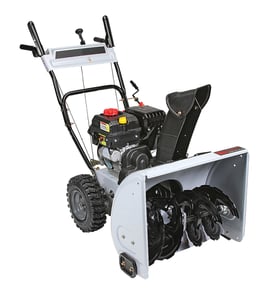



Should I use 87 or 91 for snowblower?
For the Craftsman snow thrower model 536885910, we recommend using fresh regular unleaded gasoline with a minimum of 87 octane. Using 91 octane will not improve snowblower performance; the bigger priority is keeping fuel fresh and handling it safely per the 536885910 owner's manual.
What to use (and what to avoid)
- Use 87 octane or higher regular unleaded.
- Buy fuel in small quantities so it stays fresh.
- Use an approved fuel container and fill the tank outdoors.
- Avoid storing the machine indoors with gasoline in the tank (fumes can ignite).
- For storage longer than about 30 days, treat or remove fuel to prevent gum and varnish.
Storage guidance (prevents hard starting)
Old fuel is the most common reason a gas snowblower will not start after sitting.
| Situation | What we recommend | Why |
|---|---|---|
| Using the snowblower weekly | Fresh 87 octane, keep cap tight | Prevents moisture and stale fuel issues |
| Storing 30+ days | Treat fuel with stabilizer or run/drain fuel per manual | Prevents gum deposits in tank, hose, and carburetor |
| End of season | Clean off snow and ice; let engine idle briefly after use | Reduces corrosion and ice buildup |
Why it matters
Octane mainly affects resistance to knock; most snowblower engines are designed to run correctly on regular fuel. What actually protects your Craftsman snowblower is fresh gasoline, safe fueling practices, and proper off-season storage steps.
Last updated: January 2026
How do I tell what year my snowblower is?
For Craftsman snow thrower model 536885910, the most reliable way to estimate the year is to use the engine manufacture date code (on the engine shroud, valve cover, or blower housing) and match it to the engine maker’s date format; then confirm details like features and decals against the 536885910 owner's manual.
Where to look for the date information
Most snowblowers don’t have a single “model year” label like a car; the best clues come from the engine and the product ID tag.
- Check the engine code/date stamped or printed on the engine (often near the muffler shield or recoil starter area).
- Find the Craftsman product tag on the frame (commonly near the rear housing or handle support).
- Compare the control layout and decals to the diagrams and descriptions in the manual.
- If the unit has been rebuilt, use the newest major component date (engine date usually wins).
How to use the engine code (what it means)
Many small engines use a code where part of the number indicates the year and the rest indicates the month and day. For example, a code like 99011556 is commonly read as:
| Code section | What it indicates | Example from 99011556 |
|---|---|---|
| First 2 digits | Year | 99 = 1999 |
| Next 2 digits | Month | 01 = January |
| Next 2 digits | Day | 15 = 15th |
Why it matters
Knowing the approximate year helps us match the correct parts diagrams, maintenance specs, and wear items (like belts, skid shoes, and auger components) so you order the right replacement parts the first time.
Quick tip if you are replacing parts
If you’re troubleshooting poor throwing or chute issues while you’re identifying the unit, inspect the chute for cracks or binding; the chute 762222MA is a common wear item on snowblowers.
Last updated: January 2026
How many years should a snowblower last?
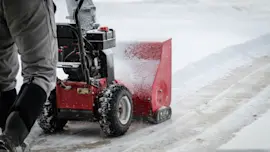
A gas snowblower like the Craftsman 536885910 typically lasts 10 to 20 years with normal residential use and consistent maintenance. The biggest factors are off-season storage, regular oil service, and keeping wear items (belts, skid shoes, spark plug) in good shape.
Typical lifespan by use and care
- Light use + good storage: 15 to 20 years
- Average use + routine maintenance: 10 to 15 years
- Heavy use or poor maintenance/storage: 5 to 10 years
- Commercial or rental use: shorter overall life due to higher hours and wear
What shortens snowblower life fastest
- Running old fuel or storing fuel untreated through the off-season (carburetor varnish)
- Skipping oil changes (accelerates engine wear)
- Running with loose or worn belts (slipping, heat, loss of throwing power)
- Letting packed snow and moisture sit on controls and linkages after use
- Hitting gravel, ice chunks, or hidden objects (auger and gearbox stress)
Maintenance that helps this model last longer
Use the schedule and specs in the 536885910 owner's manual. For this Craftsman model, the manual lists 10W-30 oil (with SAE 5W-30 helpful for easier starting at consistently 20°F or lower) and a Champion J8C spark plug gapped at 0.030 in.
| Item | Good routine | Why it matters |
|---|---|---|
| Engine oil | Change at least seasonally | Protects bearings and cylinder walls |
| Fuel | Fresh fuel, stabilize for storage | Prevents carburetor clogging |
| Belts and pulleys | Inspect for cracking, glazing, slipping | Keeps auger and drive working under load |
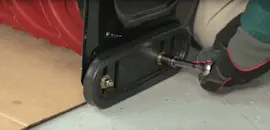
| Skid shoes | Replace when worn | Protects housing and improves scraping |
When replacement parts make more sense than replacement
If the machine starts and drives well, replacing common wear parts often restores performance for far less than a new snow thrower. Examples for this model include the snowblower auger drive belt 3887MA and wear/adjustment items like skid shoes.
Why it matters
A snowblower’s engine and auger system can run for decades, but only if friction, corrosion, and fuel issues are controlled. A little seasonal maintenance prevents the most common “won’t start” and “won’t throw” problems.
Last updated: January 2026
What is the most common problem with snow blowers?
The most common snowblower problem is hard starting, usually caused by fuel issues (old gas, water or dirt in the fuel system) or ignition issues such as a worn spark plug. On the Craftsman 536885910, the troubleshooting chart also points to clogged fuel flow and choke-related running problems as frequent causes.
Most common causes (and what to check first)
- Use fresh fuel; old fuel and contamination are top causes of difficult starting and erratic running.
- Check for a blocked fuel line or restricted fuel flow.
- Inspect and replace the spark plug if it is fouled or worn.
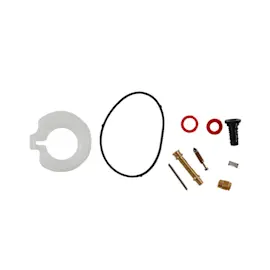
- If it only runs on CHOKE, the carburetor typically needs cleaning or adjustment.
- If the engine stalls under load, reduce clearing speed and avoid overfeeding snow.
Quick symptom-to-cause guide
| Symptom | Most likely cause | What to do |
|---|---|---|
| Won’t start or is difficult to start | Defective spark plug; water or dirt in fuel | Replace plug; drain and refill with fresh fuel |
| Runs rough or surges | Water/dirt in fuel; carburetor out of adjustment | Refresh fuel; clean/adjust carburetor |
| Starts then stalls | Low fuel; blocked fuel flow; running on CHOKE | Refill; check fuel path; correct choke use |
| Auger won’t move snow well | Auger drive belt loose/damaged; shear bolt broken; chute clogged | Inspect belt; check shear bolts; clear chute safely |
Why it matters
Starting and running issues usually trace back to basic maintenance. Fixing fuel quality, spark, and airflow early prevents bigger problems like belt wear, excessive vibration, and poor snow discharge.
Model-specific tips for the Craftsman 536885910
- Follow the safety steps in the 536885910 owner’s manual before clearing jams or servicing; stop the engine and disconnect the spark plug wire.
- If snow discharge is weak and the auger system is slipping, the auger belt is a common wear item; see snowblower auger drive belt 3887MA if your inspection shows cracking, glazing, or stretching.
Last updated: January 2026