Error Codes


What is the most common problem with a GE electric dryer?
The most common problem with a GE electric dryer is poor drying or no heat, and the most common underlying cause is restricted airflow from lint buildup or a clogged exhaust vent. On GE dryers, airflow problems also trigger overheating that can open safety devices.
Most common causes (electric dryers)
- Clogged lint screen, lint screen housing, blower area, or vent pipe
- Failed thermal fuse after overheating
- Failed cycling thermostat or high-limit thermostat
- Burned-out heating element
- Power supply issue (dryer runs but only gets 120V instead of full 240V)
Quick checks we recommend first
- Clean the lint screen and wash it if fabric softener residue is present
- Check the vent hose for kinks, crushing, or long runs
- Confirm strong airflow at the outside vent hood while the dryer runs
- Try a timed dry cycle to rule out sensor-cycle settings
- If the drum will not tumble, inspect the belt and idler system
How this relates to your GE DPSR513GA2WW
Your GE DPSR513GA2WW is a gas dryer, so “no heat” complaints usually point to the ignition system or gas valve components, not an electric heating element. If your symptom is no tumble (drum not turning), a worn belt or pulley is a common fix.
| Symptom | Electric dryer most common cause | DPSR513GA2WW (gas) most common cause |
|---|---|---|
| Runs but no heat | Airflow restriction; thermal fuse; heating element | Airflow restriction; igniter/sensor; gas valve issues |
| Long dry times | Vent restriction; weak airflow | Vent restriction; weak airflow |
| Drum will not turn | Belt or idler problem | Belt or idler problem |
Model-matched parts that commonly fix “no tumble”
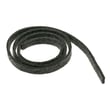
- Drive belt WE03X29897 (broken belt stops the drum)
- Idler pulley WE03X31620 (seized pulley can prevent tumbling)
Why it matters
Restoring proper airflow shortens dry times, prevents overheating, and reduces repeat failures of thermostats, fuses, and heat components on both electric and gas GE dryers.
Last updated: February 2026
What's the life expectancy of a GE dryer?
A GE dryer like model DPSR513GA2WW typically lasts about 10 years with normal household use. Consistent airflow (clean lint screen and venting) and keeping wear parts in good shape (belt, drum supports, idler) are the biggest factors that extend service life.
What affects dryer lifespan the most
- Vent restriction (long runs, crushed flex duct, lint buildup) increases heat and run time
- Overloading strains the drive belt, idler pulley, and drum supports
- Ignoring noise (squeal, thump, scraping) accelerates drum and bearing wear
- Heat system issues (weak ignition, cycling problems) cause longer cycles and more wear
- Infrequent cleaning lets lint collect in the cabinet and blower housing
Quick maintenance checklist (high impact)
- Clean the lint screen every load
- Check outside vent hood for strong airflow while running
- Inspect and clean the vent duct periodically (more often with pets)
- Level the dryer to reduce vibration and drum wear
- Address early symptoms like squealing or a burning smell before continued use
Common wear parts to watch on DPSR513GA2WW
If the dryer runs but gets noisy, stops tumbling, or takes longer to dry, these parts are frequent culprits:
| Symptom | Common cause | Example part for this model |
|---|---|---|
| Drum not turning | Worn/broken belt | Drive belt WE03X29897 |
| Squealing or tension issues | Worn idler pulley | Idler pulley WE03X31620 |
| Thumping/scraping | Worn drum slides | Slide drum WE03X37318 |
Why it matters
A dryer that is forced to run hot or run long wears out faster and can damage multiple components at once (motor, blower wheel, drum supports). Keeping airflow strong and replacing small wear parts early is the simplest way we see customers get full life from a GE gas dryer.
Last updated: February 2026
Where to find part number on GE dryer?
On your GE DPSR513GA2WW gas dryer, the model and serial tag (where you will find the model number and serial number used to look up the correct parts) is typically located on the door opening, either on the inside of the dryer door or on the front door frame.
What to look for on the tag
- Model number: DPSR513GA2WW (matches the dryer model)
- Serial number: a longer mix of letters and numbers
- Electrical and gas ratings: helpful for service, not usually needed for ordering parts
- Sometimes a code/date: used for manufacturing info
How we recommend using that information
Use the model number first to pull up the correct GE parts list, then match the specific component you need by name and diagram location. If you are ordering a common wear item, confirm it by description and symptoms.
| You have this | Use it for | Example |
|---|---|---|
| Model number | Finding the correct parts breakdown | DPSR513GA2WW |
| Serial number | Verifying production run details | Varies |
| Part number (on the part) | Matching an exact replacement | Printed on belt, switch, etc. |
If you cannot find the tag or it is unreadable
- Check the front door frame first, then the inside edge of the door
- Wipe the area with a damp cloth; lint and residue can hide small print
- Take a clear photo and zoom in; the characters are often easier to read on-screen
- If the dryer runs but you are chasing a symptom, identify the likely part by function (for example, a broken belt vs. a no-heat issue)
Why it matters
GE dryers can look similar across multiple model series, but parts like a drive belt, igniter, or door switch can vary by model. Using DPSR513GA2WW helps ensure you get the correct replacement the first time.
Helpful part examples for this model include the drive belt WE03X29897 and the igniter WE04X25996.
Last updated: February 2026