Installation guide
 Owner’s manual
 Error Codes


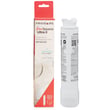
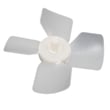
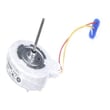
What is the most common problem with Frigidaire refrigerators?
Cooling performance problems are the most common issue we see with Frigidaire refrigerators, including the Frigidaire LFHB2751TF4. Typical symptoms are a warm fresh food section, heavy frost, or temperature swings caused by restricted airflow, dirty coils, a weak fan, or a door seal that is not sealing tightly. For model-specific operating settings and alarms, use the owner's manual.
Most common symptoms (what you notice)
- Fresh food compartment is warmer than normal
- Freezer temperature is inconsistent or frost builds up quickly
- Food freezes in the fresh food section (airflow hitting items)
- Ice maker stops making ice or makes small/hollow cubes
- Doors do not close smoothly or pop open after closing
Quick checks that fix many “warm fridge” complaints
Start with these basics before replacing parts:
- Confirm recommended temperatures: 37°F fresh food and 0°F freezer
- Keep food at least 1 inch away from air ports to prevent freezing and airflow blockage
- Make sure doors close gently and the refrigerator sits level (a tilted cabinet can prevent sealing)
- If you have a power failure alert, acknowledge it on the control panel so normal modes resume
- If the unit has an ice maker, verify the water supply valve is open and the line is not kinked
When it points to a part
If the basics check out, these parts commonly affect cooling and ice production on LFHB2751TF4:
| Symptom | Common cause | Part to consider |
|---|---|---|
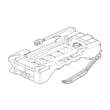
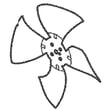
| Warm fridge, freezer OK | Weak/no evaporator airflow | Frigidaire refrigerator evaporator fan motor 809069206 |
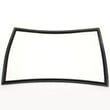
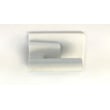
| Frost, moisture, poor cooling | Air leak at freezer door | Frigidaire refrigerator freezer door gasket (gray) 5304537408 |
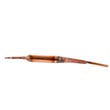
| Ice maker not making ice | Failed ice maker or water supply issue | Refrigerator ice maker 243297613 |
| No ice or slow fill | Water valve not opening fully | Refrigerator water inlet valve assembly 242253002 |
Why it matters
A refrigerator that cannot hold steady temperatures runs longer, wastes energy, and can lead to food spoilage. Fixing airflow and sealing issues early also helps prevent ice maker problems and excessive frost.
Helpful DIY guides
- Frigidaire refrigerator error codes
- Common refrigerator ice maker problems and solutions
- How to fix a fridge door seal
Last updated: February 2026
Why is there ice on the bottom of my freezer side by side?
Ice on the freezer floor is almost always caused by a clogged or frozen defrost drain; meltwater cannot flow to the drain pan, so it refreezes into a sheet of ice. On your Frigidaire LFHB2751TF4, clearing the drain and restoring proper airflow stops the repeat buildup (then dry the freezer floor).
Quick fix checklist (most common causes)
- Unplug the refrigerator or turn off power at the breaker.
- Remove the freezer drawer/bins and chip out loose ice carefully (do not use sharp tools on liners).
- Thaw the drain trough and drain opening with hot water (a turkey baster works well).
- Flush the drain with a mix of hot water plus a small amount of baking soda to help break up residue.
- Confirm water flows freely down the drain (you should hear it drip into the drain pan).
- Reinstall bins and restore power; allow 12 to 24 hours for temperatures to stabilize.
What to check if the ice comes back
If the drain clears but refreezes, one of these conditions is usually present:
- Door not sealing well, letting humid air in (creates excess frost and meltwater)
- Freezer temperature set too cold (promotes refreezing at the drain trough)
- Food packages blocking vents, causing uneven temperatures
- Gasket not seating evenly after a drawer was left ajar
Parts that commonly help
| Symptom you see | Likely issue | Part to consider |
|---|---|---|
| Frost around door edges, moisture, recurring ice | Door seal leak | Frigidaire refrigerator freezer door gasket (gray) 5304537408 |
| Door sags or doesn’t close smoothly | Hinge alignment/wear | Universal/multiflex (Frigidaire) refrigerator door hinge 241779401 |
Why it matters
A blocked drain forces water to refreeze inside the freezer, which can lead to sticking drawers, poor cooling airflow, and repeated defrost problems. Fixing the drain and door seal keeps temperatures stable and prevents future ice sheets.
Helpful reference
For model-specific drawer removal, vent locations, and cleaning guidance, follow the steps in the owner's manual.
Last updated: February 2026
What is the bottom part of a refrigerator called?
On a Frigidaire LFHB2751TF4 bottom-mount refrigerator, the “bottom part” people usually mean is the toe grille (the vented panel at the lower front) or the machine compartment area underneath where major cooling components like the compressor live. For safe access and model-specific locations, use the owner's manual.
Common “bottom parts” and what they do
- Toe grille (lower front vent): lets air flow for proper operation; do not block it.
- Machine compartment (under or rear-lower area): houses cooling-system components.
- Compressor: pumps refrigerant through the sealed system; it is a key cooling component.
- Condenser fan area (on many models): moves air across condenser coils and compressor area.
- Drain pan area (bottom rear on many models): collects defrost water so it can evaporate.
Quick identification guide
| What you see at the bottom | What it is usually called | Why it matters |
|---|---|---|
| Vented panel at the lower front | Toe grille | Blocking it can reduce airflow and cooling performance |
| Humming unit underneath/back-lower | Compressor area (machine compartment) | Problems here can cause warm temps or no cooling |
| Water under the fridge | Drain pan or drain issue | Can indicate a clogged drain or leveling issue |
Why it matters
Using the right name helps you find the correct diagram and replacement part for LFHB2751TF4. It also prevents common issues; for example, the installation instructions warn not to block the toe grille because airflow is essential for proper operation.
Related parts customers often replace
If you are troubleshooting cooling or airflow issues, these model-matched parts are commonly involved:
- Frigidaire refrigerator evaporator fan motor 809069206 (moves cold air through the compartments)
- Refrigerator condenser fan blade 241639502 (helps move air in the condenser area)
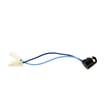
- Refrigerator temperature sensor 5303918775 (helps the control regulate temperatures)
Last updated: February 2026
Why is there water in the bottom of my Frigidaire LFHB2751TF4 ice maker?
Water collecting in the bottom of the ice maker area on your Frigidaire LFHB2751TF4 usually points to a water supply issue (low pressure, a kinked line, or a valve that is not sealing) or a fill problem that causes overflow or dripping. Start by checking the water line connection and the ice maker On/Off setting in the owner's manual.
Quick checks that fix most “water in the ice maker” complaints
- Make sure the refrigerator water shutoff valve is fully open.
- Inspect the supply line behind the refrigerator for kinks, pinches, or rubbing.
- If you recently changed the filter, reseat it; a filter that is not seated can cause poor flow.
- Replace the water filter if it has been 6 months or longer; a clogged filter can reduce flow and cause odd ice maker behavior.
- Confirm the ice maker is actually turned on (arm down or switch set to ON, depending on the ice maker style).
- If you have a water softener, make sure it is working properly; softener issues can affect ice maker operation.
Most common causes and what to do next
| What you notice | Likely cause | What we recommend |
|---|---|---|
| Water drips or puddles near the ice maker even when not making ice | Inlet valve not closing fully | Test and replace the refrigerator water inlet valve assembly 242253002 if it seeps or won’t shut off cleanly. |
| Small cubes, hollow cubes, or slow ice production along with water issues | Low water pressure or restricted filter | Replace the filter and verify the supply line is not kinked; then purge a few glasses of water. |
| Water appears after moving the refrigerator | Supply line connection loosened | Recheck fittings and tighten leaks; follow the water line connection steps in the installation guide. |
Why it matters
Standing water can freeze into a block, jam the ice maker, and lead to leaks that damage shelves, bins, or flooring. Fixing the water supply and valve sealing early prevents repeat problems.
Safety and install notes we follow for this model
- We use copper or stainless steel braided tubing; 1/4-inch plastic tubing is not recommended because it increases leak risk.
- We flush the water line into a bucket until water runs clear before connecting.
- We do not overtighten compression fittings.
Last updated: February 2026