Error Codes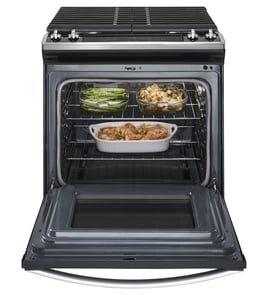





How much does a 30 gas range weigh?
Most 30-inch gas ranges weigh about 150 to 250 lb. Because your Viking VGSS48 is a larger 48-inch pro-style gas range, it typically weighs much more than a 30-inch model; plan for roughly 400 to 700 lb when moving, depending on configuration.
Typical weight ranges (30-inch vs. pro-style)
Weight varies with oven size, cast-iron grates, insulation, and whether it is freestanding or slide-in.
- Standard 30-inch freestanding gas range: 150 to 220 lb
- Feature-heavy 30-inch gas range: 200 to 250 lb
- Pro-style 30-inch gas range: 250 to 350+ lb
- 48-inch pro-style gas range (like VGSS48): 400 to 700 lb
| Range type | Width | Typical weight |
|---|---|---|
| Standard gas range | 30 in | 150 to 250 lb |
| Pro-style gas range | 30 in | 250 to 350+ lb |
| Pro-style gas range | 48 in | 400 to 700 lb |
Moving and installation tips for heavier ranges
A heavier range can damage floors and stress the gas connection if it is handled like a standard 30-inch unit.
- Shut off the gas supply; disconnect only after the valve is fully closed.
- Remove grates, burner caps, and oven racks to reduce load and prevent breakage.
- Use an appliance dolly rated for the load; use 3 to 4 adults for a 48-inch pro-style range.
- Protect flooring with a rigid panel; avoid dragging the range.
- If you remove the oven door for clearance, support it and check hinge condition during reassembly.
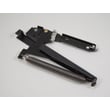
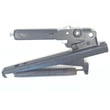
If the door sits unevenly after moving, a worn hinge is a common cause; the model-matched example part is the range oven door hinge PC020003.
Why it matters
Knowing the weight helps you choose the right dolly and manpower, and it reduces the chance of bent frames, damaged leveling legs, and leaks at the gas connection or regulator.
Last updated: February 2026
What are common problems with Viking ranges?
Common problems we see on Viking VGSS48 gas ranges include surface burners that click but do not ignite, weak or uneven flames, ovens that heat unevenly or drift off temperature, and knobs or door hardware that wear out over time. Many issues start with cleaning and inspection, but gas and ignition repairs must be handled carefully.
Most common symptoms (and what they usually point to)
- Burner won’t light or keeps clicking: dirty burner ports, moisture, failed igniter switch, or spark module issues
- Uneven flame or burners that blow out: clogged ports, incorrect air shutter setting, or gas pressure/regulator problems
- Oven temperature seems off: thermostat/control issues, gas valve problems, or calibration needed
- Oven won’t heat or heats slowly: ignition or gas valve delivery problem
- Door won’t close right or drops when opened: worn hinge(s)
- Loose, cracked, or slipping knobs: worn knob or damaged stem behind the knob
Quick checks you can do first (safe basics)
- Confirm the burner cap is seated correctly and ports are clear of spills.
- Dry the cooktop area if it was recently cleaned; moisture can cause constant clicking.
- Try a different burner knob position to see if the symptom follows the knob.
- Watch the flame pattern; it should be steady and mostly blue.
- If you smell gas, turn off the range and gas supply, ventilate the area, and stop troubleshooting.
Parts that commonly solve these problems on VGSS48
| Problem area | Common replacement part on this model | What it affects |
|---|---|---|
| Door not closing or sagging | Viking range range oven door hinge PC020003 | Door alignment and closing force |
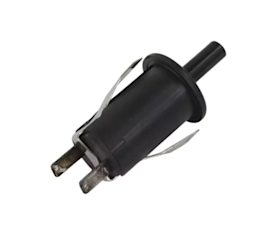
| Burners clicking or not sparking | Viking range range surface burner igniter switch PA020011 | Sends spark signal when you turn a knob |
| Oven temperature control issues | Viking range range oven control thermostat PB010035 | Regulates oven heat based on set temp |
| Oven not getting gas reliably | Viking range oven gas valve PB010084 | Controls gas flow to the oven burner |
Why it matters
Ignition and flame problems can look minor, but they affect cooking performance and can create unsafe conditions if gas is not burning correctly. Catching worn ignition parts, a failing thermostat, or a sagging door hinge early helps protect the oven cavity, improves temperature stability, and reduces repeat failures.
Last updated: February 2026
What features to look for in a gas range?
When choosing a gas range like the Viking VGSS48, focus on fit (width and oven capacity), burner power and layout, ignition reliability, and serviceability. The best choice is the one that matches how you cook most days, not just the maximum BTU rating.
Key features that matter most
- Size and configuration: 48-inch ranges often add more burners, a griddle/grill option, or a second oven cavity.
- Burner performance: Look for a useful spread from low simmer control to high-heat output for boiling and searing.
- Ignition system: Sealed burner design and dependable spark ignition reduce nuisance clicking and misfires.
- Oven cooking modes: Convection (if included), broil performance, and temperature stability matter more than extra presets.
- Controls and usability: Knob feel, clear markings, and heat-resistant placement help with day-to-day cooking.
- Cleaning and maintenance: Removable burner caps, accessible drip areas, and durable finishes save time.
Quick comparison: what to prioritize by cooking style
| If you mostly... | Prioritize | Nice to have |
|---|---|---|
| Simmer sauces, melt, hold warm | Low simmer control, stable flame | Extra-low simmer burner |
| Sear steaks, stir-fry | High-output burner, grate stability | More high-BTU positions |
| Bake often | Temperature stability, even heat | Convection (if equipped) |
| Broil frequently | Strong broil burner, rack positions | Easy-clean broiler area |
Serviceability and parts support (often overlooked)
Even premium ranges need wear parts over time. For the VGSS48, it helps to confirm common service items are available and straightforward to replace.
- If the oven runs hot or cold, the oven control thermostat is a common suspect: range oven control thermostat PB010035
- If a burner will not spark or keeps clicking, the ignition circuit is worth checking: range surface burner igniter switch PA020011
- If the oven door will not close evenly or drops, hinge wear is common: range oven door hinge PC020003
Why it matters
A gas range is a long-term appliance; choosing the right burner layout, oven performance, and maintainability reduces cooking frustration and helps avoid costly downtime later.
Last updated: February 2026
What is the use of gas range?
A gas range like the Viking VGSS48 is used for cooking on a gas-powered cooktop and baking or broiling in a gas oven. The main benefit is fast, adjustable heat from an open flame, which gives you strong temperature control for simmering, searing, and roasting.
What a gas range is best for
- Quick heat changes: flame responds immediately when you turn the knob.
- High-heat cooking: great for boiling, stir-fry, and searing.
- Low simmer control: easier to hold a gentle simmer on many burner designs.
- Oven cooking: gas ovens are commonly used for roasting and baking.
- Broiling: uses a gas broil burner to brown and finish foods.
Cooktop vs. oven: what’s different
| Feature | Gas cooktop burners | Gas oven/broiler |
|---|---|---|
| Heat source | Open flame at the burner | Gas burner for bake and a separate burner for broil (on many ranges) |
| Control feel | Immediate changes | Slower to change than a cooktop, but steady once heated |
| Common use | Sauté, boil, simmer | Bake, roast, broil |
Why it matters
Choosing a gas range is mostly about control and speed. If you cook often and want quick response when adjusting heat, a gas range like the Viking VGSS48 is designed to make that easier.
Parts that support safe, consistent operation
If performance drops (weak ignition, inconsistent flame, or control issues), these model-matched parts are commonly involved:
- Range surface burner igniter switch PA020011 (helps trigger spark at the burner)
- Spark module PB050012 (creates spark for ignition)
- Oven gas valve PB010084 (controls gas flow to the oven burner)
Last updated: February 2026