
How much horsepower does a McCulloch EAGER have?
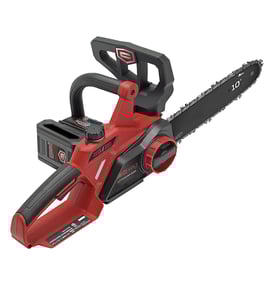
Horsepower depends on the exact Mcculloch model and whether it is gas or electric. For the Mcculloch EAGER electric chainsaw model EAGER, we size the tool by electrical specs and bar length rather than horsepower; most corded homeowner saws in this class perform similarly to roughly 2 to 3 HP gas saws.
How to estimate “horsepower” on an electric chainsaw
Electric chainsaws are typically rated in amps (A) and watts (W), not HP. If you can find the saw’s amp rating on the nameplate, you can estimate input power:
- Watts = volts × amps (most U.S. corded saws are 120 V)
- HP (input) = watts ÷ 746
- Real cutting power is lower because motor and drivetrain efficiency reduce output
| What you have | What it tells you | What to do next |
|---|---|---|
| Amp rating on nameplate | Electrical input power | Convert to watts, then to HP (input) |
| Bar length (12 in.) | Intended cutting size | Match chain sharpness and tension to bar size |
| Cutting feels weak | Often maintenance-related | Check chain sharpness, tension, and lubrication |
What usually matters more than horsepower
For an electric chainsaw like the Mcculloch EAGER, these factors affect performance more than an HP number:
- Sharp chain (a dull chain makes any saw feel underpowered)
- Correct chain tension (too tight overheats; too loose can derail)
- Bar and chain lubrication (dry cutting increases drag and wear)
- Proper extension cord gauge/length (undersized cords cause voltage drop)
- Clean air flow around the motor (vents clear of sawdust)
Why it matters
Using the right “power” measure helps you choose the correct chain, bar setup, and electrical supply. With corded saws, a sharp chain and proper cord sizing often restore cutting speed more than chasing a horsepower spec.
For more chainsaw troubleshooting and maintenance help, use our chainsaw care and troubleshooting tips.
Last updated: February 2026
What kind of oil for EAGER chainsaw?
For the Mcculloch EAGER electric chainsaw, fill the oil reservoir with bar and chain oil to lubricate the chain and guide bar. If you are using a gas EAGER Beaver model instead, use 2-cycle oil mixed with gasoline at a 40:1 ratio (about 125 ml oil per 5 L fuel).
What oil to use (and where it goes)
- Bar and chain oil: Goes in the chain oil tank; required for cutting.
- 2-cycle engine oil (gas models only): Mixes with gasoline in the fuel tank; never use straight gas.
- Do not use used motor oil: It lubricates poorly and increases bar and chain wear.
- Seasonal tip: In cold weather, use a winter-grade bar oil so it flows to the bar and chain.
Quick reference table
| Task | Correct oil | Where it goes | Applies to |
|---|---|---|---|
| Lubricate bar and chain | Bar and chain oil | Oil reservoir | Electric and gas chainsaws |
| Fuel the engine | Gasoline + 2-cycle oil (40:1) | Fuel tank | Gas chainsaws only |
How to confirm which EAGER saw you have
- Electric: Power cord or battery, no fuel tank.
- Gas: Fuel tank, primer bulb, and pull-start.
- Both types: Have an oil cap for bar and chain lubrication.
Why it matters
Correct bar and chain lubrication prevents overheating and rapid wear. For gas saws, the correct 40:1 fuel mix protects the engine from scoring and premature failure.
For more maintenance and safe-use guidance, see chainsaw care and troubleshooting tips and how to prevent chainsaw injuries.
Last updated: February 2026
Are EAGER chainsaws any good?
Mcculloch EAGER-SERIES chainsaws are a good fit for typical homeowner cutting when they’re matched to the job and kept maintained. For the Mcculloch model EAGER, overall performance comes down to chain sharpness, correct bar and chain setup, and safe operating technique.
What “good” means for Mcculloch EAGER homeowner use
Most owners consider an EAGER chainsaw “good” when it starts reliably, oils the chain, and cuts without forcing the bar.
- Best fit: limbing, pruning, storm cleanup, and small to medium logs
- What you should expect: steady cutting with a sharp chain and proper depth gauges
- What you should not expect: pro-level speed for daily felling or oversized hardwood
- Biggest performance driver: a sharp chain and correct chain tension
- Biggest safety driver: kickback control and proper stance
Quick comparison: homeowner saw vs pro saw
| Category | Homeowner chainsaw (like many EAGER models) | Pro chainsaw |
|---|---|---|
| Typical use | Occasional yard work | Daily heavy cutting |
| Maintenance focus | Chain, bar, oiling, basic tune-up | Frequent service, higher wear parts |
| Cutting pace | Moderate | Fast under heavy load |
| Weight/handling | Often easier to handle | Built for power and durability |
How to tell if your EAGER is performing like it should
If cutting feels slow or the saw pulls to one side, the issue is usually in the cutting system, not the engine.
- Sharpen the chain and set depth gauges correctly
- Set chain tension so it’s snug but still moves freely by hand (with the saw off)
- Confirm the oiler is working (a light oil line on cardboard is a good check)
- Inspect the guide bar rails for uneven wear and clean the bar groove
- Replace worn bar, chain, or sprocket as a set when wear is advanced
Why it matters
A well-maintained chainsaw cuts faster, runs cooler, and reduces kickback risk. Most “bad chainsaw” complaints trace back to a dull chain, poor tension, or oiling problems.
For safety fundamentals, follow how to prevent chainsaw injuries.
Last updated: February 2026