

What is the life expectancy of a KitchenAid stand mixer?
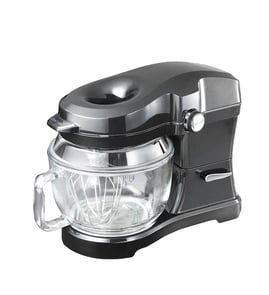
A KitchenAid stand mixer like model KV25G0X-4 typically lasts 10 to 15 years with normal home use and basic maintenance. Heavy weekly use can shorten that range, while gentle use, proper loading, and timely part replacement can push service life longer.
- Load and batch size: frequent stiff doughs and oversized batches increase gear and motor strain.
- Heat and run time: long continuous mixing sessions shorten motor and control life.
- Grease condition: old or separated grease can lead to noisy operation and faster wear.
- Wear parts: bearings and washers gradually loosen, increasing vibration and noise.
- Electrical controls: speed control components can wear from arcing or heat.
| Symptom | Most common cause | Typical fix path |
|---|---|---|
| Grinding/clicking under load | Gear train wear or looseness | Inspect gear housing and drive components |
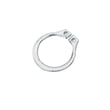
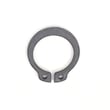
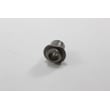
| Excessive wobble or vibration | Bearing/washer wear | Replace wear parts such as a bearing WPW10170080 |
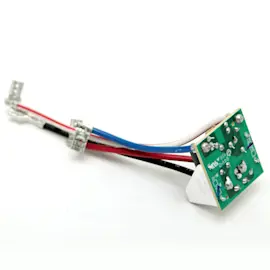
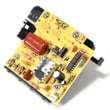
| Speed surging or dead speeds | Control issue | Check/replace a stand mixer speed control board and knob (black) WP9706648 |
| Oil/grease leaking | Grease breakdown or seal issues | Clean and re-grease during service |
- Keep dough batches within typical home-recipe sizes; avoid overfilling the bowl.
- Use lower speeds for kneading; let the mixer rest if the housing feels hot.
- Stop and scrape the bowl instead of forcing thick mixtures to “power through.”
- Address new noises early; running with a failing bearing can damage other components.
- If you do electrical troubleshooting, follow safe testing practices from how to use a multimeter to test electrical parts video.
A stand mixer is usually repairable for many years; replacing a worn bearing or speed control component early often prevents secondary damage to housings, supports, and the planetary drive.
Last updated: January 2026
What stand mixer does Gordon Ramsay use?
Gordon Ramsay has been shown using a KitchenAid-style bowl-lift stand mixer in videos, but there is no single confirmed “one model” he always uses. If you are shopping parts for your KitchenAid KV25G0X-4, match parts by your exact model number, not by a celebrity recommendation.
- Use your exact model number (KV25G0X-4) to avoid fit issues with bowls, housings, and controls.
- Match the mixer style: bowl-lift vs tilt-head (attachments and bowls are not always interchangeable).
- Choose capacity based on your typical batches; KV25G0X-4 commonly uses a 5-qt bowl.
- If you are repairing performance issues (speed surging, clicking, wobble), identify the failed component first.
- When in doubt, compare your existing part visually to the replacement listing.
If your goal is to get a Ramsay-style “workhorse” mixer feel (steady speed, smooth mixing), these are common repair areas:
| Symptom | Likely area | Example part for KV25G0X-4 |
|---|---|---|
| Speed changes or won’t hold speed | Speed control | Stand mixer speed control board and knob (black) WP9706648 |
| Bowl or beater wobble, noise under load | Bearings, supports, planetary | Bearing WPW10170080 |
| Cosmetic cracks or damage | Outer housings | Housing 8212396 |
Celebrity kitchens often use heavy-duty mixers, but the best results come from using the correct KitchenAid parts for your exact KV25G0X-4. The right bowl, control board, and bearing support keep mixing speed consistent and reduce wear on gears.
Last updated: January 2026
What is the #1 rated stand mixer?
There is no single universal “#1 rated” stand mixer because rankings change by reviewer and test method, but KitchenAid bowl-lift mixers are consistently top picks for power and heavy dough work. If you own a KitchenAid KV25G0X-4, it is already in that high-performance bowl-lift category.
Different mixers win depending on what you make most often. Use these criteria to match the mixer to your needs:
- Capacity: 5-qt is a common all-around size; larger bowls help with big batches.
- Design: bowl-lift models handle dense doughs better; tilt-head models prioritize convenience.
- Power and gearing: stronger drive systems matter for bread, bagels, and pizza dough.
- Attachments and fit: confirm bowl and beater compatibility for your exact model.
- Serviceability: availability of common wear parts can extend mixer life.
| Best for | Typical recommendation | Why it wins |
|---|---|---|
| Heavy dough and frequent use | Bowl-lift KitchenAid style (like KV25G0X-4) | More stable under load, strong mixing action |
| Everyday baking and smaller kitchens | Tilt-head KitchenAid style | Easier bowl access, lighter footprint |
| Large batches | Larger-bowl bowl-lift models | More headroom for double batches |
A great mixer can still slip, squeal, or struggle if a mechanical or control part is worn. For the KV25G0X-4, these parts are commonly involved in performance issues:
- Stand mixer speed control board and knob (black) WP9706648 (speed changes, surging, dead speeds)
- Bearing WPW10170080 (noise, rough operation)
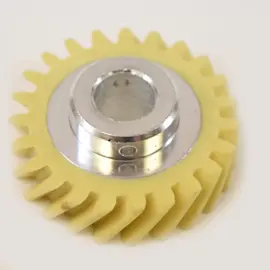
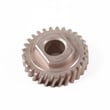
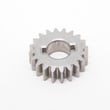
- Planetary WP9708175 (wobble, clicking, beater shaft play)
“#1 rated” only helps if the mixer matches your recipes and stays in good working order. Choosing the right capacity and drive style, then replacing a worn bearing or speed control component when symptoms show up, keeps a KitchenAid stand mixer performing at its best.
Last updated: January 2026
What is the best version of the KitchenAid mixer?
For most serious home bakers, the “best” KitchenAid mixer is the one that matches your batch size and dough needs; your KitchenAid KV25G0X-4 is already in the Professional-style family and is a strong choice for frequent mixing and heavier doughs when paired with the right bowl and attachments.
- Capacity first: choose a bowl size that fits your typical batch (cookies vs. bread dough).
- Power for dough: heavier doughs need a stronger motor and sturdy gear train.
- Mixer style: bowl-lift models handle dense mixes well; tilt-head models prioritize quick access.
- Frequency of use: occasional baking needs less mixer than weekly bread or large batches.
- Parts support: pick a model with readily available replacement parts for long-term ownership.
KitchenAid stand mixers generally fall into two practical buckets:
| What you make most | Best fit | Why |
|---|---|---|
| Cookies, cakes, frosting, smaller batches | Tilt-head style | Easy access, quick bowl changes |
| Bread dough, large batches, frequent use | Bowl-lift style (like KV25G0X-4) | More stable under load |
If your priority is capacity, a 5-quart bowl is a common “sweet spot” for many households; for KV25G0X-4, the stand mixer stainless steel bowl, 5-qt WPW10717235 is the model-matched bowl option we list.
- Keep the speed control smooth and consistent; surging or dead speeds point to the control system.
- Stop and scrape the bowl for thick batters to prevent overloading.
- For dough, use lower speeds and shorter mix times to reduce heat and strain.
- If you hear grinding or see wobble at the beater shaft, inspect the planetary area.
| Symptom | Part area to inspect | Example part we list |
|---|---|---|
| Speed won’t change or is erratic | Speed control | Stand mixer speed control board and knob (black) WP9706648 |
| Beater shaft wobble or noise | Planetary/bearing support | Planetary WP9708175 and bearing WPW10170080 |
The “best” KitchenAid mixer is the one that stays stable under your typical load and has serviceable parts. Matching capacity and power to your recipes prevents overheating, gear wear, and inconsistent mixing results.
Last updated: January 2026