



How do I know what size my chainsaw bar is?
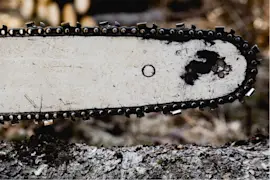
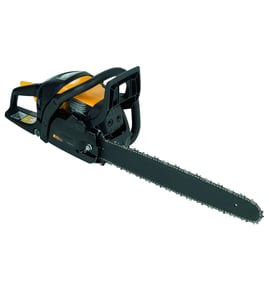
For your Craftsman chainsaw model 91760051, the “bar size” is the usable cutting length of the guide bar (measured from the front of the saw body to the bar tip). The quickest way to know is to measure it directly, then match that length when shopping for a replacement bar and chain.
How to measure your bar (most accurate)
- Turn the saw off and let it cool.
- Engage the chain brake and remove the spark plug boot for safety.
- Use a tape measure and measure from the front face of the powerhead (where the bar exits the saw body) to the tip of the bar.
- Do not measure the full metal length hidden inside the saw body
- Measure in inches; bar sizes are typically sold in whole inches
- If you land between sizes, round down to the nearest inch (common industry practice)
Quick checks that often confirm the size
If measuring is inconvenient, these checks usually narrow it down:
- Look for a stamp/etching on the guide bar (often near the mounting slot) listing length and pitch
- Check the chain packaging (if you still have it) for bar length
- Count drive links on the chain; drive link count plus pitch helps identify the correct chain for that bar
- Compare to common homeowner sizes (14 in., 16 in., 18 in.)
Bar size vs. chain specs (what you actually need)
Bar length alone is not enough to buy the right chain. You also need pitch, gauge, and drive link count.
| Spec | What it means | Where to find it |
|---|---|---|
| Bar length | Cutting length (powerhead to tip) | Measure the bar |
| Pitch | Spacing of chain links | Stamped on bar or chain box |
| Gauge | Thickness of drive links | Stamped on bar or chain box |
| Drive links | Number of drive links | Count links or read chain box |
Why it matters
Using the wrong bar length or mismatched chain specs can cause poor cutting, chain derailment, or excessive wear on the clutch and sprocket. Correct sizing keeps your Craftsman 91760051 cutting safely and efficiently.
Related DIY help
If your saw is hard to start or runs poorly after a bar and chain change, use tips for a hard to start chainsaw to rule out fuel and carburetor issues.
Last updated: February 2026
What's the difference between a .325 and a 3.8 chainsaw chain?
A .325 chain and a 3/8 chain differ mainly in pitch (the spacing of the chain’s drive links). On a Craftsman chainsaw like model 91760051, the correct choice is the pitch that matches your bar and sprocket; using the wrong pitch prevents proper fit and safe cutting.
Quick comparison
| Feature | .325 pitch chain | 3/8 pitch chain |
|---|---|---|
| Pitch (common name) | .325 | 3/8 |
| Typical use | Light to mid-duty cutting | Mid to heavier-duty cutting |
| Cutting feel | Often smoother, smaller bite | Often faster, larger bite |
| Must match | Bar nose sprocket and drive sprocket | Bar nose sprocket and drive sprocket |
How to identify what your saw needs
Check these items on your current chain and guide bar before buying:
- Pitch: usually stamped on the bar (or listed on the chain package).
- Gauge: the thickness of the drive link that fits the bar groove.
- Drive link count: the number of drive links in the loop.
- Sprocket type: rim or spur; it still must match pitch.
- Bar length: helps narrow down the correct drive link count.
Why pitch matters (and what happens if it’s wrong)
Pitch is a hard compatibility requirement. If you install a chain with the wrong pitch:
- The chain will not seat correctly on the sprocket.
- You can get poor oiling and rapid wear on the bar and sprocket.
- The chain may derail more easily, creating a serious safety hazard.
If your Craftsman 91760051 is hard to start or runs rough after a chain change
A chain swap should not affect starting, so look for common fuel and carburetion issues instead:
- Old fuel or incorrect fuel mix
- Cracked or leaking fuel line
- Dirty carburetor or stuck needle valve
For step-by-step troubleshooting, use tips for a hard to start chainsaw. If you suspect a fuel delivery problem, the fuel link 29774 is a common wear item to inspect and replace.
Why it matters
Matching pitch, gauge, and drive link count keeps your Craftsman chainsaw cutting efficiently and reduces wear on the guide bar, sprocket, and chain.
Last updated: February 2026
What is the average lifespan of 91760051?
A Craftsman gas chainsaw like model 91760051 typically lasts 10 to 15 years with normal homeowner use and routine maintenance (clean air filtration, fresh fuel mix, sharp chain, and proper storage). Heavy cutting, dirty conditions, and stale fuel shorten lifespan.
What most affects lifespan
- Fuel quality and storage: fresh, properly mixed fuel; drain or stabilize for off-season storage
- Airflow and cooling: keep the cylinder fins and intake areas clean
- Cutting load: avoid forcing the bar; let chain sharpness do the work
- Vibration and fasteners: re-tighten hardware periodically; replace worn mounts/retainers as needed
- Carburetion and fuel delivery: address surging, bogging, or hard-start issues early
Maintenance schedule we recommend
| Interval | What to do | Why it matters |
|---|---|---|
| Every use | Check chain tension, bar oiling, and fasteners | Prevents premature bar/chain and clutch wear |
| Weekly (or every few tanks) | Clean cooling areas; inspect fuel lines | Reduces overheating and fuel starvation |
| Seasonally | Refresh fuel system parts if cracked or leaking | Prevents hard starting and engine damage |
When parts replacement extends life (and when it does not)
Replacing common wear items often restores performance and extends service life. For fuel-related running problems, a new carburetor 510217A is a common fix when cleaning and adjustment no longer stabilizes idle and acceleration.
- Good candidates to replace: fuel system components, gaskets, small hardware, ignition tune-up items
- Signs it is time to repair: hard starting, won’t idle, runs rough, fuel leaks, loss of power
- Signs it is time to retire: repeated loss of compression, severe crankcase damage, or major internal scoring
Why it matters
A chainsaw’s engine depends on correct fuel delivery and cooling. Small issues like air leaks, clogged passages, or degraded fuel lines can make the saw run lean, overheat, and wear out years sooner.
For symptom-based troubleshooting steps, use tips for a hard to start chainsaw.
Last updated: March 2026