




What is the average life expectancy of a GE dishwasher?
A GE dishwasher like model GDF640HSM4SS typically lasts about 12 years, with a normal range of 10 to 15 years. Lifespan depends most on how often you run cycles, water quality, and whether you keep the wash system clean and fix small leaks or drain issues early.
Typical lifespan and what changes it
Most dishwashers wear out from heat, moisture, and pump wear. These factors usually make the biggest difference:
- Loads per week: daily use wears pumps, seals, and racks faster
- Hard water: increases mineral buildup in the sump and spray arms
- Filter and sump cleanliness: debris can strain the wash pump and drain pump
- Detergent use: too much or the wrong type can leave residue and odors
- Small problems left alone: slow draining or poor cleaning often leads to bigger failures
What “end of life” usually looks like
If your dishwasher is nearing the end of its typical service life, these are common symptoms:
- Not draining consistently (often tied to the drain path or pump)
- Poor cleaning from weak spray or clogged spray arms
- Leaks at the door or tub seal area
- Not drying well (heater or airflow issues)
- Intermittent stopping with error codes
For error-code driven troubleshooting, use our GE dishwasher error codes guide.
Parts that commonly affect performance and longevity
Replacing a worn part can extend useful life when the tub and racks are still in good shape.
| Symptom | Common area to check | Example part for GDF640HSM4SS |
|---|---|---|
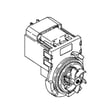
| Won’t drain, water left in tub | Drain pump, drain hose | Dishwasher drain pump WD19X25461 |
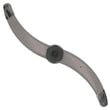
| Dishes not getting clean | Spray arms, wash pump | Dishwasher spray arm, lower WD22X33499 |
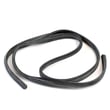
| Leaking at the door opening | Door latch, tub gasket | Dishwasher tub gasket WD08X23476 |
| Stops mid-cycle or fills/drains oddly | Sensors, control | GE dishwasher pressure sensor WD21X25468 |
Why it matters
Knowing the typical 10 to 15 year lifespan helps you decide whether to repair or replace. If your GDF640HSM4SS is within that window, fixing a drain, spray, or sealing issue often restores performance and prevents secondary damage.
Last updated: February 2026
Can a clogged drain cause an FTD error?
Yes. On the GE GDF640HSM4SS dishwasher, an FTD (fail to drain) error commonly happens when water cannot leave the tub fast enough, and a clogged filter area, drain path, or drain hose is a top cause.
What to check first (fast, no parts)
- Cancel the cycle and let the unit try to drain; listen for the drain pump running.
- Remove standing water (if needed) so you can inspect the sump area safely.
- Check the filter and sump area for labels, glass, food debris, or broken pieces.
- Inspect the drain hose routing for kinks, pinches, or a sag that traps water.
- If the hose connects to a garbage disposal or sink drain, make sure that connection is clear.
Parts that can be involved if the drain path is clear
If the drain path is clear but the dishwasher still throws FTD, the issue often shifts from “clog” to “can’t pump.” These parts are common suspects:
| Symptom | Most likely area | Example part for GDF640HSM4SS |
|---|---|---|
| Hums but drains slowly or not at all | Drain pump/impeller | Dishwasher drain pump WD19X25461 |
| Drains sometimes, then stops mid-cycle | Drain hose restriction or check valve issue | Dishwasher drain hose WD24X10062 |
| Poor wash plus drain issues (circulation problems) | Sump/wash pump area | Wash pump main asm WD19X25700 |
Why it matters
FTD is a protection signal: if water cannot drain, the dishwasher can stop the cycle to prevent overflow, poor cleaning, and odors. Clearing the drain path early also helps prevent repeat clogs and pump strain.
Helpful DIY references
- Use GE electronic dishwasher error codes to confirm what the display is reporting and what checks typically resolve it.
- If you see water left in the tub after the cycle, follow dishwasher not draining video for a step-by-step drain troubleshooting flow.
Last updated: February 2026
What is the most common problem with a GE dishwasher?
For the GE GDF640HSM4SS dishwasher, the most common problems we see are “won’t drain” and “won’t start.” Drain issues usually trace to a clogged drain path or a failing drain component, while start issues often come down to the door not latching or a control-related fault.
Most common symptoms and what they usually mean
- Water left in the bottom: drain hose restriction, sink/disposal connection blockage, or a weak drain pump
- Unit has power but won’t run: door not fully latched, control lock, or a control sensing issue
- Poor cleaning: clogged spray arm jets, low water circulation, or a wash pump problem
- Detergent not dispensing well: dispenser door sticking or wax motor failure inside the dispenser
- Stops mid-cycle or shows odd behavior: sensor or control board input problem
A good first step for this model is to check for error indicators and match them to GE’s electronic diagnostics using GE electronic dishwasher error codes.
Quick checks we recommend first (before replacing parts)
- Cancel and drain the cycle, then listen for the drain pump running
- Inspect the sink/disposal drain connection for a blockage
- Check the drain hose for kinks, clogs, or a high-loop problem
- Confirm the door closes firmly and the latch engages
- Clean the sump area and remove any debris that could block water flow
Parts that commonly solve these problems on GDF640HSM4SS
If the basic checks point to a failed component, these are common fixes for the symptoms above:
| Symptom | Common part to check | What it affects |
|---|---|---|
| Won’t drain / standing water | Dishwasher drain pump WD19X25461 | Pumps water out to the drain |
| Won’t start / door won’t “click” shut | GE dishwasher door latch lock WD21X10490 | Confirms door is closed so the cycle can run |
| Poor cleaning / weak spray | Dishwasher spray arm, lower WD22X33499 | Water distribution to lower rack |
| Fills or runs oddly | GE dishwasher pressure sensor WD21X25468 | Helps the control “know” water conditions |
Why it matters
Drain and start problems are the two issues most likely to stop a dishwasher completely. Catching a simple clog or a weak latch early prevents repeat shutdowns, standing water odors, and poor wash performance.
Last updated: February 2026
Is it worth repairing a GE dishwasher?
Yes, repairing a GE dishwasher like model GDF640HSM4SS is worth it when the unit is under about 10 years old and the fix is a common, single-part repair (drain, wash, latch, leak) that costs clearly less than replacing the dishwasher.
Quick decision checklist
- The dishwasher is under 10 years old and the tub is in good shape (no cracks, heavy rust, or major leaks).
- The problem is one clear failure (not multiple symptoms across cycles).
- The repair is a typical wear part (pump, latch, gasket, spray arm, dispenser).
- You have no history of repeated breakdowns in the last 12 to 24 months.
- The estimated repair total (part plus labor) is well under half the cost of a comparable new dishwasher.
Common repairs that are usually worth it on GDF640HSM4SS
These are frequent, straightforward fixes where replacing a single component often restores normal operation:
| Symptom | Likely area | Example part for this model |
|---|---|---|
| Not draining, standing water | Drain system | Dishwasher drain pump WD19X25461 |
| Door won’t latch, won’t start | Door latch system | GE dishwasher door latch lock WD21X10490 |
| Poor cleaning, weak spray | Spray system | Dishwasher spray arm, lower WD22X33499 |
| Not drying well, water stays cool | Heating circuit | Dishwasher heating element WD05X35098 |
| Leaking at the door/tub edge | Seals and gaskets | Dishwasher tub gasket WD08X23476 |
When replacement is the better investment
We recommend replacing instead of repairing when any of these are true:
- The dishwasher is 10 years old or older and needs a major repair (multiple parts, repeated failures).
- You have recurring drain, fill, or control issues that come back after repairs.
- The unit has significant leaking that appears to be from the tub or a structural area.
- The repair requires multiple high-cost assemblies (for example, wash pump plus control-related parts).
Why it matters
Dishwashers typically deliver their best value when you can solve a single, well-defined problem with a targeted part replacement. Once failures become frequent or involve multiple systems (wash, heat, drain, controls), the total cost and downtime usually outweigh the benefit of keeping the unit.
For troubleshooting that helps you decide faster, use GE dishwasher error codes.
Last updated: February 2026
Is GE GDF640HSM4SS considered high-end?
GE GDF640HSM4SS is generally considered a mid-range GE dishwasher, not a true high-end or luxury model. It typically offers solid everyday cleaning performance and practical features, while premium lines usually add quieter operation, more wash-zone options, and higher-end rack and drying systems.
How we classify “high-end” for dishwashers
We usually treat a dishwasher as high-end when it combines very quiet operation, advanced wash and dry features, and premium build details.
Common high-end traits include:
- Very low noise ratings (often in the low-to-mid 40 dBA range)
- More targeted cleaning options (extra jets, dedicated bottle jets, wash zones)
- More robust drying systems (enhanced heated dry, fan-assisted drying, better condensation management)
- Premium rack adjustability and smoother rack hardware
- More sensors and diagnostics for consistent results
What you can expect from GDF640HSM4SS in real use
For a mid-range dishwasher like GE GDF640HSM4SS, the most common “upgrade” decisions come down to cleaning consistency, drying, and noise.
Here are the areas to check first if performance is not where you want it:
- Cleaning: clogged spray arm holes or a worn spray arm can reduce wash pressure
- Drying: a weak heater circuit can leave dishes wet, especially plastics
- Draining: slow drain can leave water in the sump and cause odors
- Door closing: a door that does not latch firmly can stop cycles or cause leaks
If you are troubleshooting performance, these model-matched parts are commonly involved:
- Dishwasher spray arm, lower WD22X33499
- Dishwasher heating element WD05X35098
- Dishwasher drain pump WD19X25461
- GE dishwasher door latch lock WD21X10490
Quick comparison: mid-range vs high-end
| Category | Mid-range (typical) | High-end (typical) |
|---|---|---|
| Noise | Moderate to quiet | Very quiet |
| Drying | Good, plastics may stay wet | Stronger, more consistent |
| Racks | Basic to improved adjustability | Highly adjustable, premium glide |
| Wash options | Standard cycles and options | More specialized zones and jets |
Why it matters
Knowing whether GE GDF640HSM4SS is mid-range or high-end helps set expectations for noise level, drying performance (especially on plastics), and how much it makes sense to invest in repairs like a heater, wash pump, or spray arm.
Last updated: February 2026





