Error Codes



How heavy is a 30 inch wall oven?
A 30-inch electric wall oven is typically heavy enough that we plan for a 2-person lift; most single 30-inch wall ovens weigh about 140 to 220 lb (and double wall ovens often run 220 to 320 lb). For your GE JKP07GJ5, use the rating label weight if listed, and plan for safe handling either way.
Most 30-inch wall ovens fall into these ranges:
| Oven type | Typical weight | Notes |
|---|---|---|
| Single 30-inch electric wall oven | 140 to 220 lb | Varies by insulation, convection fan, and trim design |
| Double 30-inch electric wall oven | 220 to 320 lb | Heavier due to second cavity and larger frame |
- Single vs. double oven configuration
- Convection hardware (fan, motor, extra ducting)
- Insulation and door glass thickness
- Steel frame and trim kit design
- Whether the door is removed for installation (often reduces lift weight)
- Shut off power at the breaker before moving the oven.
- Use a 2-person lift minimum; 3 people is common for double ovens.
- Protect the cabinet edges and floor with cardboard or a moving blanket.
- If you remove the door, keep hinge arms controlled to avoid damage.
- Verify the cabinet support and fasteners are solid before sliding the oven in.
Weight affects cabinet support, safe lifting, and whether you need extra help or a lifting strap. Planning for the higher end of the range helps prevent cabinet damage and reduces the risk of dropping the oven.
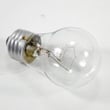
If you are also replacing common service items while the oven is out, we often see customers check the oven light parts such as the range oven light bulb 40A15 and the lamp cover WB36X192.
Last updated: January 2026
Do wall ovens need to be hardwired?
Yes. For a GE electric wall oven like model JKP07GJ5, the standard installation is hardwired (direct-wired) to a properly sized, approved junction box; a cord-and-plug connection is typically not used for built-in wall ovens.
Hardwired means the oven’s house wiring connections are made inside a junction box (usually in the cabinet near the cutout) using approved connectors and a strain relief, rather than plugging into a receptacle.
Common hardwire setup includes:
- Dedicated 240V circuit sized for the oven’s electrical rating
- Junction box accessible after installation (per local code)
- Proper cable clamp/strain relief at the oven connection
- Correct grounding method (per the wiring diagram and local code)
If you are replacing an older wall oven or converting from a different setup, these checks prevent nuisance trips and overheating.
- Turn off the breaker and verify power is off before touching wiring
- Confirm the circuit is dedicated (no other major loads on the same breaker)
- Inspect the junction box for heat damage, loose wire nuts, or brittle insulation
- Match wire size and breaker size to the oven’s nameplate rating
- Use an approved strain relief where the cable enters the oven’s wiring compartment
Some kitchens have a receptacle in the cabinet, but many built-in electric wall ovens are intended to be direct-wired. Local electrical code and the oven’s wiring diagram determine what is permitted.
| Connection type | Typical for built-in wall ovens | What to do |
|---|---|---|
| Hardwired to junction box | Yes | Use approved connectors and strain relief |
| Cord and plug | Less common | Only use if the installation instructions and local code allow it |
A wall oven draws high current. Hardwiring to a junction box with correct wire sizing and secure connections reduces the risk of overheating, nuisance breaker trips, and intermittent power loss.
If you are troubleshooting a “no heat” or “intermittent heat” complaint after wiring checks, these model-compatible parts are common suspects:
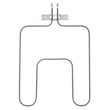
- Range bake element WB44X200 (lower heating element)
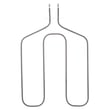
- Broil unit WB44X173 (upper heating element)
Last updated: January 2026
Are all 24 inch wall ovens the same size?
No. “24-inch” describes the nominal oven width, but the actual cutout width, cutout height, and cabinet depth vary by brand and model. For a GE electric wall oven like model JKP07GJ5, you must match the cabinet cutout dimensions and electrical requirements, not just the advertised width.
Most 24-inch single wall ovens are designed for standard cabinetry, but manufacturers use different trim designs and chassis depths.
- Nominal width: typically around 24 inches, but the oven frame can be slightly wider
- Cutout width/height: varies by model and determines whether the oven physically fits
- Overall depth: often differs due to door design, cooling airflow, and control panel layout
- Mounting method: screw locations and trim overlap can change between models
- Electrical hookup: voltage and amperage requirements must match your home wiring
Use these steps to avoid a “looks right, won’t fit” situation.
- Measure the cabinet cutout width, height, and depth (in three places each).
- Confirm you have clearance for door swing and handle projection.
- Verify the junction box location and wire length.
- Compare your measurements to the replacement oven’s published cutout specs.
| Measurement | Common range for many 24-inch single wall ovens |
|---|---|
| Cutout width | About 22 1/2 to 23 1/2 inches |
| Cutout height | About 27 to 29 inches |
| Cutout depth | About 22 to 24 inches |
A wall oven is supported by the cabinet and secured through the front frame. If the cutout is even slightly off, the oven may not mount correctly, may not sit flush, or may not ventilate properly.
If you are servicing the oven while it is out of the cabinet, these common items are worth checking:
- Range oven door gasket WB2X3138 (heat seal and cooking performance)
- Range bake element WB44X200 (baking heat source)
- Broil unit WB44X173 (broiling heat source)
Last updated: January 2026
Are electric wall ovens 110 or 220?
Most electric wall ovens, including the GE JKP07GJ5, are designed to run on a 240-volt (often called 220-volt) circuit, not a standard 120-volt (110-volt) household outlet. A typical installation uses a dedicated double-pole breaker and hardwired junction box or a proper oven-rated connection.
Most U.S. electric wall ovens use a 120/240V or 120/208V supply. That means the oven uses 240V for heating elements and 120V for controls, lights, and the timer.
- Dedicated circuit with a double-pole breaker
- 4-wire connection (hot, hot, neutral, ground) is common in modern installs
- Hardwired connection is common for wall ovens (not a standard plug)
- Wire size and breaker size must match the oven’s electrical rating label
Use these safe, practical checks before planning a replacement or troubleshooting.
- Look for the electrical rating label on the oven frame (often behind the door or on the side trim)
- Check your electrical panel for a 2-pole breaker labeled “oven”
- Confirm the junction box has two hot wires (usually black and red) plus neutral and ground
- If the oven light is out but the oven heats, check the bulb and socket rather than the supply voltage
| What you see | What it usually means |
|---|---|
| Single-pole 15A or 20A breaker | Typical 120V circuit (not correct for most wall ovens) |
| Double-pole 30A to 50A breaker | Typical 240V wall oven circuit |
| Oven heats but light is out | Likely a light bulb, receptacle, or lamp cover issue |
Using the wrong voltage or an undersized circuit can cause weak heating, nuisance breaker trips, or damage to wiring connections. Confirming the correct 240V supply also helps you diagnose problems accurately (for example, a failed bake element versus a power issue).
If the oven has power but you have no interior light, these model-compatible parts are common fixes:
- Range oven light bulb 40A15 (bulb burned out)
- Receptacle WB08T10026 (light socket damaged)
- Lamp cover WB36X192 (cover cracked or missing)
Last updated: January 2026