Owner’s manual
 Error Codes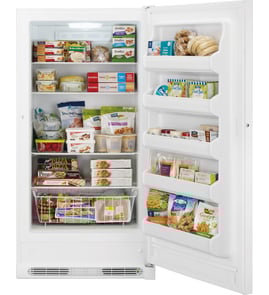


How long should a Kenmore upright freezer last?
A Kenmore upright freezer like model 25328052806 typically lasts 10 to 15 years. With steady temperatures, good airflow, and clean condenser areas, many units reach the high end of that range before major sealed-system or control issues show up.
What affects lifespan the most
- Heat and airflow: tight clearances and dusty coils make the compressor run longer
- Door sealing: a leaking gasket causes longer run times and frost buildup
- Power events: frequent outages or surges stress the compressor and control board
- Defrost performance: heavy frost can reduce cooling and overwork the system
- Usage habits: frequent door openings and warm food loads increase run time
Simple care steps that help it reach 15 years
Use the maintenance and operating guidance in the 25328052806 owner's manual.
- Keep the door closed as much as possible and organize food to reduce “search time”
- Allow proper cool-down time after plugging in (the manual notes about 4 hours for safe food storage)
- Clean the cabinet and interior with mild detergent and dry thoroughly
- During long storage, leave the door slightly open to prevent odors and mold
- If you see heavy frost or warmer temps, address it early (before the freezer runs nonstop)
Common “end-of-life” symptoms and what they usually point to
| Symptom | Most common cause | Typical next step |
|---|---|---|
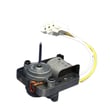
| Warm freezer, fan not running | Evaporator fan issue | Check/replace freezer evaporator fan motor 297309000 |
| Heavy frost, warming temps | Defrost system problem | Check/replace defrost heater 216730700 or defrost thermostat |
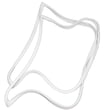
| Door won’t seal, frost near door | Worn gasket | Replace freezer door gasket 5304507199 |
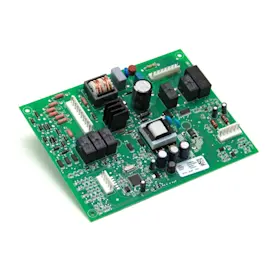
| Alarm/Hi Temp light, “E” on display | Control or sensor fault | Use Kenmore electronic control module freezer error codes and follow service guidance |
Why it matters
A freezer that runs longer than normal uses more electricity and can drift above safe storage temperatures. Catching airflow, gasket, and defrost problems early helps protect food and prevents compressor overwork.
Last updated: February 2026
How to clean coils on Kenmore upright freezer?
Cleaning the coils on your Kenmore upright freezer model 25328052806 means removing dust and pet hair so the freezer can release heat properly. We recommend unplugging the freezer first, then gently vacuuming and brushing the condenser coil area until it is visibly clean; this helps cooling performance and can reduce run time.
Before you start (safety and setup)
- Unplug the freezer to avoid electrical shock.
- Move food to another freezer or keep the door closed while you work.
- Pull the freezer straight out to protect the floor and avoid stressing the power cord.
- Use a soft coil brush and a vacuum with a crevice tool; avoid sharp tools.
- If you see heavy frost inside, follow the defrost and cleaning steps in the 25328052806 owner’s manual.
How to clean the condenser coils
- Unplug the freezer.
- Access the coil area (most upright freezers have coils underneath or on the back).
- Dry brush first: loosen packed dust from the coil fins and surrounding frame.
- Vacuum thoroughly: capture dust as you brush so it does not blow back into the coil.
- Clean the floor area under and behind the freezer (dust quickly re-enters the coil).
- Restore power and confirm the freezer is running normally.
What to use (and what to avoid)
| Item | Good choice | Avoid |
|---|---|---|
| Cleaning tools | Coil brush, vacuum, soft paintbrush | Metal scraper, stiff wire brush |
| Liquids | None needed for coils | Spraying water or cleaner into electrical areas |
How often should we clean the coils?
- Every 6 months in most homes
- Every 3 months if you have pets, heavy dust, or the freezer sits in a garage or basement
- Right away if the cabinet feels unusually warm on the outside or the freezer seems to run constantly
Why it matters
Dirty condenser coils trap heat, which makes the compressor work harder. Keeping the coil area clean helps your Kenmore freezer hold temperature more consistently and can prevent overheating-related cooling problems.
Last updated: February 2026
Is there a reset button on a Kenmore upright freezer?
Kenmore upright freezer model 25328052806 does not use a single “reset button” for the whole freezer; instead, it has an ALARM RESET button that silences and resets the high-temperature alarm when the freezer warms above about 23°F. See the control details in the 25328052806 owner’s manual.
What the ALARM RESET button does (and does not do)
- Does: silence the buzzer and reset the Hi TEMP alarm indicator after a warm event.
- Does: acknowledge the alarm when the freezer is first plugged in.
- Does not: repair a cooling problem or “reboot” the compressor.
- Does not: clear a control-board fault if an “E” shows on the display.
When to press ALARM RESET
Press ALARM RESET when you notice:
- The Hi TEMP light is on.
- The buzzer is sounding (it can sound again about every hour until temperature drops).
- The freezer was unplugged, had a power outage, or the door was left open.
Quick checks to do right after resetting
- Confirm the temperature control is set correctly (many upright freezers run best near 0°F).
- Make sure the door closes tightly and the gasket seals all the way around.
- Avoid overpacking so air can circulate across shelves and bins.
If an “E” appears on the display
An “E” on the display indicates a control-related fault that needs service-level diagnosis. A common repair path on electronic-control models is testing the wiring and, if needed, replacing the control.
| Symptom | What it usually points to | What we recommend |
|---|---|---|
| Hi TEMP light, buzzer, but freezer starts cooling again | Temporary warm event | Press ALARM RESET; monitor temps |
| Hi TEMP keeps returning, frost buildup, weak airflow | Defrost or airflow issue | Check for heavy frost; inspect fan operation |
| “E” on display | Control/system fault | Use the Kenmore electronic control module freezer error codes guide and plan a repair |
Why it matters
Resetting the alarm is helpful because it stops nuisance beeping and confirms you noticed a warm event, but it also protects food quality by prompting you to check airflow, door sealing, and temperature recovery.
Last updated: February 2026
What causes an upright freezer to stop freezing?
An upright freezer like Kenmore model 25328052806 usually stops freezing because it cannot remove heat effectively (poor airflow, dirty coils, or a failed fan), the door is leaking warm air, or the temperature control and defrost system are not operating correctly. Use the 25328052806 owner's manual to match symptoms to checks.
Most common causes to check first
- Temperature control set too warm; allow several hours after adjusting for temperatures to stabilize.
- Door not sealing (misaligned door, worn gasket, or frequent openings) letting warm, moist air in.
- Poor airflow around the cabinet; the compressor area can run much hotter than room temperature and needs space for circulation.
- Heavy frost buildup on the evaporator area restricting airflow.
- Evaporator fan problem; the freezer may run but not circulate cold air.
- Defrost system failure causing ice to choke airflow.
Quick troubleshooting steps (in order)
- Confirm the freezer has power and is plugged in firmly; reset the breaker if needed.
- Set the temperature control colder and wait 4 hours for a meaningful change.
- Check the door closes easily and seals all the way around; re-level the freezer if the door is misaligned.
- Look for excessive frost; if you see about 1/4 to 1/2 inch of frost, defrost and clean.
- Listen for the evaporator fan when the unit is running; no fan sound often points to a fan motor issue.
Parts that commonly solve “not freezing” symptoms
| Symptom | Likely area | Example part for this model |
|---|---|---|
| Warm cabinet, weak airflow | Evaporator fan | Freezer evaporator fan motor 297309000 |
| Heavy frost, warm temps | Defrost system | Defrost heater 216730700 and refrigeration appliance defrost bi-metal thermostat 297216600 |
| Frost or moisture near door | Door seal | Freezer door gasket 5304507199 |
Why it matters
When warm air leaks in or airflow is restricted, the freezer runs longer, temperatures rise, and frost builds faster. Fixing sealing, leveling, and airflow issues early prevents food thawing and reduces strain on the compressor.
Last updated: February 2026
Where is the model number on a Kenmore upright freezer?
On the Kenmore upright freezer model 25328052806, the model and serial number plate is typically located on the upper left wall inside the freezer compartment. We recommend recording both numbers for parts lookup, warranty details, and service reference; see the 25328052806 owner's manual.
Common places to check
Look for a paper or metal rating label in these spots:
- Upper left interior wall (most common on upright models)
- Along an inside side wall near the front opening
- Behind the lower kick plate or base panel area
- On the back exterior panel (less common, but possible)
- Near the door opening edge (hinge side) on some cabinets
What the label usually includes
The plate typically lists both identifiers you need:
| Item on label | What it’s used for |
|---|---|
| Model number | Matching the correct parts diagrams and replacement parts |
| Serial number | Identifying production run details for service and support |
| Electrical ratings | Verifying power requirements and safe operation |
Tips to find it faster
- Use a flashlight and look for small print on a white or silver label.
- Check the upper left interior wall first; that is the standard location for upright models.
- If frost or food packages block the wall, move items temporarily and wipe condensation.
- Write the numbers down exactly as shown (including any leading digits).
Why it matters
Using the exact model number (and often the serial number) prevents ordering the wrong Kenmore freezer parts, especially for items like a door gasket, electronic control board, or defrost components that can vary by production series.
Last updated: February 2026
Why does my upright freezer ice up at the bottom?
Bottom ice in a Kenmore 25328052806 upright freezer almost always happens when warm, humid air gets in (door not sealing or not closing square) or when defrost water cannot drain out and refreezes on the floor. Use the 25328052806 owner's manual to confirm the defrost drain location and proper leveling.
Most common causes
- Freezer is not level, so the door sits slightly open or the gasket does not seal evenly
- Door gasket is torn, warped, or dirty, letting humid air leak in
- Defrost drain is blocked, so meltwater pools and refreezes at the bottom
- Door is being held open by an overfilled basket/shelf or a package sticking out
- Frequent door openings in humid conditions (more moisture enters and freezes)
Quick checks we recommend (10 to 20 minutes)
- Check door closing: Close the door on a thin sheet of paper in several spots; it should drag evenly when you pull.
- Inspect and clean the seal: Wipe the gasket and cabinet sealing surface with mild soap and warm water; dry fully.
- Confirm leveling: The manual notes leveling is very important; adjust the front leveling feet so the door closes easily when left halfway open.
- Look for drain issues: If you see a sheet of ice on the floor, suspect a clogged drain. During a manual defrost, verify water can flow out the drain opening.
Parts that commonly solve bottom-ice problems
| Symptom | What it points to | Part to consider |
|---|---|---|
| Frost around door edges, gasket looks split | Air leak at door | Freezer door gasket 5304507199 |
| Ice slab on floor after defrost cycle | Drain not clearing (often needs cleaning) | Freezer drain tube 5304512272 |
| Heavy frost on back wall, warm temps, fan noise changes | Defrost or airflow issue | Defrost heater 216730700 or refrigeration appliance defrost bi-metal thermostat 297216600 |
Why it matters
Bottom ice is more than a nuisance; it can keep the door from sealing, drive up energy use, and lead to temperature swings that cause freezer burn.
Last updated: February 2026
Why is my Kenmore freezer leaking water onto the floor?
Water on the floor around your Kenmore 25328052806 upright freezer is usually caused by a defrost drain problem: meltwater can’t flow down the drain tube, so it backs up, refreezes, and eventually spills out during the next defrost cycle. Use the steps in the 25328052806 owner's manual to access the drain and clear it safely.
Most common causes
- Ice or debris clogging the defrost drain tube
- Drain plug left out or not seated after defrosting
- Freezer not level, causing water to miss the drain path
- Door not sealing well, creating excess frost that overwhelms the drain
- Drain tube damaged or out of position (replace if needed)
What to do first (safe, quick checks)
- Unplug the freezer before any defrost or internal access.
- Look for a sheet of ice on the freezer floor or heavy frost on the back wall.
- If your model has a drain plug in the inside floor, pull it straight out and clear any ice.
- If your freezer has a base panel, remove it and locate the external drain tube; place a shallow pan under it and clear the blockage.
- Make sure the drain plug is reinstalled when finished so warm air does not enter.
Parts that may be involved
If the drain tube is split, brittle, or won’t stay routed correctly, replacement is the lasting fix.
| Symptom | What it points to | What we typically replace |
|---|---|---|
| Water appears after a defrost cycle | Drain tube iced/clogged | Freezer drain tube 5304512272 |
| Heavy frost plus leaking | Door leak causing excess defrost water | Freezer door gasket 5304507199 |
Why it matters
A blocked drain does more than make a mess; it can create recurring ice buildup, reduce airflow, and make the freezer run longer. Keeping the drain clear and the door sealing properly helps maintain stable temperatures and energy efficiency.
Last updated: February 2026