






What is the 20/20/20 rule for generators?
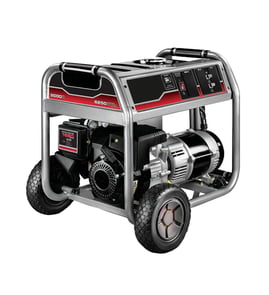
The 20/20/20 rule is a simple generator safety checklist we recommend for Craftsman model 58032728 and most portable generators: keep the generator 20 feet from the home, let it cool 20 minutes before refueling, and use a carbon monoxide (CO) alarm (often around $20) to help prevent CO poisoning and fire.
20/20/20 rule breakdown
- 20 feet away: Run the generator outdoors at least 20 feet from the house, with exhaust pointed away from doors, windows, and vents.
- 20-minute cooldown: Shut the generator off and wait about 20 minutes before adding fuel.
- $20 CO alarm: Use a working CO alarm in the home (and replace batteries as needed).
Quick safety checklist before you start
- Place the generator on a dry, level surface outdoors.
- Keep it away from doors, windows, soffit vents, and garage openings.
- Use heavy-duty outdoor-rated extension cords sized for the load.
- Do not overload outlets; if power cuts out, check the breaker.
- Keep fuel containers away from heat sources and the running unit.
What to do if your generator trips or has no output
If your Craftsman 58032728 runs but stops powering outlets, these are common checks:
| Symptom | What to check first | Common next step |
|---|---|---|
| No power at outlets | Tripped circuit breaker | Reset/replace the breaker 209872GS |
| Power cuts out under load | Overload | Reduce load, then reset breaker |
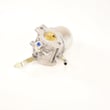
| Runs rough, surges | Fuel delivery issue | Inspect/clean or replace the carburetor 0A4600 |
Why it matters
Carbon monoxide is odorless and can build up quickly if a generator is too close to the home or run in a garage. Cooling down before refueling reduces the chance of igniting spilled gasoline on hot engine parts.
Last updated: February 2026
How do I find the model number on my 58032728?
The model number for your Craftsman generator is printed on the model and serial tag (data plate) attached to the unit. Once you find it, match it exactly to order the correct parts for model 58032728, such as the carburetor 0A4600.
Where to look on a Craftsman portable generator
Check these common tag locations first:
- On the control panel near the outlets and circuit breakers
- On the frame rail near the engine
- Near the recoil starter housing
- On the fuel tank support or side of the tank
- On the engine shroud (blower housing)
What the tag looks like and what to write down
The tag usually includes a few key fields. Record them exactly as shown.
| Tag item | What it’s used for |
|---|---|
| Model number (example: 58032728) | Ensures diagrams and parts match your generator |
| Serial number | Helps identify production run changes |
| Engine model/type/code (if listed) | Helps when troubleshooting engine-specific parts |
Tips to avoid ordering the wrong part
- Use the full model number, including any extra digits or suffixes
- If the tag is dirty, wipe it with a damp cloth and mild cleaner
- If the tag is scratched, take a clear photo and zoom in
- Match the model number on the tag, not what’s on the box or receipt
Why it matters
Craftsman generators often have multiple versions that look similar but use different carburetors, breakers, switches, and recoil starters. Using the exact model number keeps parts like a breaker or receptacle from being a mismatch.
Last updated: March 2026
What is the average lifespan of 58032728?
A Craftsman portable generator like model 58032728 typically lasts 10 to 15 years with regular maintenance and proper storage. Lifespan depends most on run hours, load level, fuel quality, and keeping the engine and electrical system in good condition.
What most affects generator lifespan
- Run hours and load: Running near maximum output shortens life faster than moderate loads
- Oil changes: Clean oil prevents accelerated engine wear
- Fuel care: Old fuel and varnish cause hard starting and carburetor issues
- Air filtration: A clean filter reduces cylinder wear
- Storage: Dry storage and periodic exercise runs reduce corrosion and stale-fuel problems
Maintenance checkpoints that extend life
Use this as a practical baseline schedule for many portable generators:
| Interval | What to do | Parts commonly involved |
|---|---|---|
| Before each use | Check oil level, inspect cords/outlets, verify breaker operation | Breaker, receptacle |
| Every season | Drain/refresh fuel, clean air intake area, inspect fasteners | Fuel cap, cleaner/element |
| When symptoms appear | Address hard starting, surging, or no output promptly | Carburetor, breaker, switch |
If you are chasing hard-start or surging issues, the carburetor 0A4600 is a common service item on small engines when fuel has sat too long.
Signs your generator is nearing end-of-life
- Low power output even with light loads
- Frequent breaker trips with known-good cords and loads
- Persistent surging after fresh fuel and basic tune-up steps
- Excessive oil consumption or heavy smoke
- Recoil starter problems or repeated no-start conditions
Why it matters
A generator that is maintained and repaired early (fuel system, starting system, and breakers) delivers more reliable emergency power and avoids secondary damage from running lean, overheating, or operating with unstable voltage.
Last updated: March 2026