


How to find AC parts?
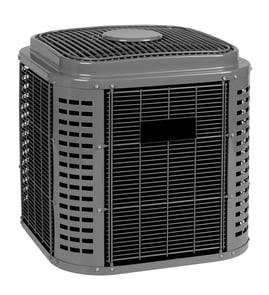
For your Icp CA5024QKA1 central air conditioner (cooling condenser), the fastest way to find the right replacement part is to match the model number and then confirm the exact part by name and ID from the parts list, such as a capacitor, contactor, or condenser fan motor.
Step-by-step: how we recommend finding the correct part
- Confirm the outdoor unit model number is CA5024QKA1 (from the rating plate on the condenser cabinet).
- Use the model-based parts list to narrow results to compatible components.
- Identify the system area you are repairing (electrical controls, fan section, or refrigerant service valves).
- Match the part by part name and part ID (when shown), not just by appearance.
- Compare key specs before ordering (voltage, microfarads for capacitors, horsepower for motors, mounting style).
- If you are troubleshooting, test first so you replace the failed part, not a symptom.
Common CA5024QKA1 parts customers look for
These are some of the most frequently replaced condenser parts for this model:
| What you need | What it does | Example part on this model page |
|---|---|---|
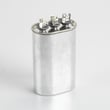
| Capacitor | Helps start and run the compressor or fan motor | Capacitor 12986 |
| Contactor | Switches high voltage to the compressor and fan | Contactor (listed on this model page) |
| Condenser fan motor | Moves air through the outdoor coil | Central air conditioner condenser fan motor, 1/3-hp 1050703 |
| Fan blade | Pushes air across the condenser coil | Fan blade 1087331 |
Quick troubleshooting tips before ordering
- If the outdoor unit hums but the fan does not spin, a weak capacitor is a common cause.
- If nothing runs outside but the thermostat is calling for cooling, check for a failed contactor or a power issue.
- If the fan runs slowly, overheats, or squeals, the condenser fan motor or its mount can be the issue.
- If you are doing electrical testing, use a meter correctly and safely; see how to use a multimeter to test electrical parts video.
Why it matters
Central air conditioner parts are not one-size-fits-all. Matching by model CA5024QKA1 and verifying electrical and fit specs helps prevent wrong-part returns and protects major components like the compressor.
Last updated: February 2026
Can I replace AC spare parts myself?
Yes, you can replace some parts on your Icp CA5024QKA1 outdoor condenser yourself, but only if the job is strictly electrical or mechanical and you can safely shut off power at the disconnect and breaker. Refrigerant-side repairs and any sealed-system work should be handled by a qualified technician.
What you can usually replace yourself (DIY-friendly)
These are common homeowner-level repairs on a central air conditioner condenser when you follow safe electrical practices:
- Condenser fan blade (if it is bent, cracked, or wobbling)
- Fan motor mount (if the motor is secure but the bracket is damaged)
- Run capacitor (if it is weak or bulged and you match ratings exactly)
- Contactor (if contacts are burned or the coil is open)
Helpful model-matched examples from this parts list:
What we do not recommend as DIY
These repairs can create safety hazards, code issues, or equipment damage if done incorrectly:
- Refrigerant charging, leak repair, or opening the sealed system
- Replacing service valves (refrigerant circuit components)
- Diagnosing compressor or internal electrical faults without proper test equipment
Quick decision guide
| Task | DIY-friendly? | Typical tools needed |
|---|---|---|
| Replace capacitor/contactor | Often yes | Multimeter, insulated tools |
| Replace fan blade/mount | Often yes | Nut drivers, wrench set |
| Replace condenser fan motor | Sometimes | Multimeter, hand tools |
| Refrigerant-side repair | No | EPA-grade refrigerant tools |
Why it matters
A central air conditioner condenser combines high voltage and moving parts; a simple mistake can damage the control circuit, blow fuses/breakers, or shorten the life of the fan motor and compressor. Doing only the right-level DIY repairs helps keep your CA5024QKA1 reliable and safe.
Safety essentials before you start
- Turn off power at the outdoor disconnect and the main breaker
- Verify power is off with a meter before touching wiring
- Discharge the capacitor safely before removing wires
- Take a clear photo of wire locations before disconnecting anything
- Replace parts with matching electrical ratings and mounting style
Last updated: February 2026
What AC parts are most commonly replaced?
For the Icp CA5024QKA1 cooling condenser, the most commonly replaced parts are the electrical start/run components and the outdoor fan components. In real-world repairs, we most often replace capacitors, contactors, and condenser fan motors because they handle high electrical load and constant cycling.
Most common replacements on an outdoor condenser
These parts fail most often and commonly cause “won’t start,” “hums,” or “fan not spinning” symptoms:
- Capacitor (weak or failed start/run)
- Contactor (pitted or stuck contacts)
- Condenser fan motor (overheats, seizes, or won’t start)
- Fan blade (bent, cracked, or slipping on the shaft)
- Fan motor mount (vibration, misalignment, or damaged bracket)
Parts for CA5024QKA1 that match those common failures
Match the electrical ratings and wiring style to your existing part before ordering.
| Symptom you notice | Common culprit | Example part for CA5024QKA1 |
|---|---|---|
| Outdoor unit clicks but fan will not spin | Capacitor or fan motor | Capacitor 12986, central air conditioner condenser fan motor, 1/3-hp 1050703 |
| Outdoor unit will not start at all | Contactor or capacitor | Capacitor 12969 |
| Loud vibration or wobble at the top | Fan blade or motor mount | Fan blade 1087331, central air conditioner condenser fan motor mount 1051460 |
Why it matters
Replacing the correct “high-failure” part first can restore cooling faster and prevent repeat failures (for example, a weak capacitor can overheat a condenser fan motor).
Quick checks before replacing parts
Turn off power at the disconnect and breaker before inspecting.
- Confirm the thermostat is calling for cooling and the indoor blower runs
- Look for a swollen or leaking capacitor can
- Check for a stuck contactor (not pulling in, or contacts welded)
- Spin the fan blade by hand (power off); it should turn freely
- Inspect wiring for burnt terminals or loose spade connectors
For electrical testing basics, use our how to use a multimeter to test electrical parts video.
Last updated: February 2026
What is the most expensive part to replace on an AC unit?
On an Icp central air conditioner condenser like model CA5024QKA1, the compressor is typically the most expensive part to replace because it is part of the sealed refrigerant system and the job includes specialized labor (recovering, evacuating, and recharging refrigerant).
What “most expensive” usually means on a condenser
Costs climb fastest when the repair involves sealed-system work or a major motor assembly.
Common high-cost items include:
- Compressor (usually the top cost driver)
- Condenser fan motor
- Coil replacement (varies by design and availability)
- Electrical components that fail repeatedly and cause secondary damage
Higher-cost parts we commonly see on CA5024QKA1
Even though the compressor is usually the most expensive overall, the priciest commonly replaced items shown for this model are often fan motor assemblies.
| Part (example) | What it does | Common failure symptom |
|---|---|---|
| Central air conditioner condenser fan motor 1050892 | Spins the outdoor fan to move air across the condenser coil | Fan not spinning, overheating, shutdowns |
| Central air conditioner condenser fan motor, 1/3-hp 1050703 | Same function; different spec/fit | Hums, runs slow, will not start |
| Capacitor 12986 | Helps start and run the compressor or fan motor | Humming, hard starting, fan will not start |
Before replacing the “big” part
We recommend confirming the failure first because a weak capacitor, failing contactor, or damaged wiring can mimic a bad compressor or motor.
Use these checks to avoid unnecessary major replacement:
- Shut off power at the disconnect and breaker before opening the unit
- Inspect for burnt wires, loose spade connectors, or overheated terminals
- Test the capacitor and verify the fan blade spins freely
- If the compressor is suspected, look for repeated breaker trips and overheating
For electrical testing basics, use how to use a multimeter to test electrical parts video.
Why it matters
A compressor replacement is expensive because it combines a high-cost component with sealed-system labor. Catching a simpler electrical failure first can restore cooling faster and at a much lower cost.
Last updated: February 2026