



What is the life expectancy of a GE PDP755SYR5FS dishwasher?
A GE PDP755SYR5FS dishwasher typically lasts 10 to 12 years. With consistent cleaning, correct detergent use, and prompt repair of leaks or draining issues, many dishwashers reach the upper end of the common 10 to 15 year range.
- Water quality: hard water speeds up scale buildup on the heater and internal passages.
- Cleaning and maintenance: keeping the sump area clean reduces pump strain.
- Loading habits: overloading can block spray arms and increase wear.
- Heat and drying use: frequent heated dry cycles add stress to the heating system.
- Small leaks: even minor seepage can damage components over time.
- Run a monthly cleaning cycle (dishwasher cleaner or a manufacturer-approved method).
- Check that spray arms spin freely and holes are not clogged.
- Keep the door sealing surfaces clean and dry after use.
- Fix draining problems quickly so the drain pump is not overworked.
- Use rinse aid if you have hard water or see spotting.
If performance drops, these are frequent wear or failure points on many GE dishwashers:
| Symptom | Common part area | Example part for PDP755SYR5FS |
|---|---|---|
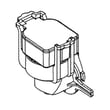
| Not draining, water left in tub | Drain system | Dishwasher drain pump WD19X25461 |
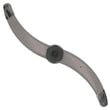
| Poor cleaning, weak spray | Wash circulation / spray | Dishwasher spray arm, lower WD22X33499 |
| Not drying well, water stays cool | Heating circuit | Heating element WD05X35098 |
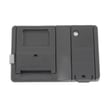
| Won’t start or stops mid-cycle | Door latch / safety interlock | GE dishwasher door latch lock WD21X10490 |
Knowing the expected lifespan helps you plan smart repairs. If your PDP755SYR5FS is under about 10 years old, replacing a failed pump, heater, or latch often restores full performance and can be more cost-effective than replacing the dishwasher.
Last updated: February 2026
What is the most common problem with GE dishwashers?
The most common GE dishwasher problems (including GE PDP755SYR5FS) are the dishwasher not starting, not draining, or not cleaning well. In many homes, the root cause is a simple issue like a door that is not fully latched, a restricted drain path, or a clogged spray arm, before it turns into a failed part.
- Won’t start: door not fully closed, latch not engaging, control not responding
- Won’t drain: kinked/blocked drain hose, drain pump issue, drain path clogged
- Not cleaning: clogged spray arm holes, low water flow, wash pump or diverter issues
- Not drying: heater circuit issue, venting problem, cycle options not set for drying
- Leaks: door seal wear, tub gasket issues, loose hose connections
- Confirm the door closes firmly and the latch clicks.
- Cancel the cycle and try a drain; listen for the drain pump running.
- Inspect the bottom spray arm for blocked holes and free spinning.
- Check the drain hose routing for kinks and a clear path to the sink drain or disposer.
- Run a cleaning cycle and remove buildup that can restrict water flow.
If the quick checks point to a component failure, these are frequent fixes for the symptoms above:
| Symptom | Common part to check | What it does |
|---|---|---|
| Won’t start or stops mid-cycle | GE dishwasher door latch lock WD21X10490 | Confirms the door is closed so the control will run the cycle |
| Won’t drain or drains slowly | Dishwasher drain pump WD19X25461 | Pumps water out through the drain hose |
| Poor cleaning on lower rack | Dishwasher spray arm, lower WD22X33499 | Spins and sprays water to wash dishes |
| Heating or drying issues | Heating element WD05X35098 | Heats water and supports drying performance |
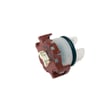
| Fill or drain-related errors | GE dishwasher pressure sensor WD21X25468 | Helps the dishwasher monitor water conditions during operation |
Start and drain problems are the most disruptive because the dishwasher cannot complete a cycle. Cleaning and drying complaints often trace back to water flow and heating, so checking spray arms, pumps, and the heating circuit helps you avoid repeat issues.
For code-based troubleshooting, we use the GE electronic dishwasher error codes guide to match the symptom to the most likely circuit or part.
Last updated: February 2026
What's the difference between a $500 dishwasher and $1000 dishwasher?
A $1,000 dishwasher typically buys you quieter operation, stronger drying, and more flexible loading than a $500 model. For a GE dishwasher like model PDP755SYR5FS, the biggest real-world upgrades are noise level, rack design (including a third rack), and premium wash and dry features.
Higher-priced dishwashers tend to add comfort and performance features that you notice every day:
- Quieter cycles (better insulation and motor design)
- Stainless steel tub (durability, heat retention for drying, less odor staining)
- Better drying systems (fan-assisted drying, auto-open, or enhanced heated dry)
- More wash coverage (targeted jets, improved spray arm design, soil sensing)
- More flexible racks (third rack, adjustable tines, smoother glides)
- More cycle options (sanitize, bottle jets, extra dry, quick wash variations)
Even many $500 dishwashers can clean well when they are loaded correctly and maintained.
- Basic wash action: fill, heat (if equipped), circulate, drain
- Standard cycles: normal, heavy, rinse
- Common wear items: spray arms, drain hose, door seals, pumps
| Feature | Around $500 | Around $1,000 |
|---|---|---|
| Noise level | Noticeable in open kitchens | Often very quiet |
| Tub material | Often plastic | Often stainless steel |
| Drying | Basic heated or condensation | Enhanced drying features |
| Racks | 2 racks, fewer adjustments | 3rd rack, premium adjustability |
| Controls/sensors | Basic | More sensors and options |
Paying more usually reduces the “annoyances” (noise, wet plastics, awkward loading) and can improve results on tough soils. Regardless of price, keeping the dishwasher maintained helps prevent issues like poor cleaning or draining.
If performance drops over time, these PDP755SYR5FS parts are common suspects:
- Dishwasher spray arm, lower WD22X33499 (clogged jets reduce wash pressure)
- Dishwasher drain pump WD19X25461 (weak draining can leave dirty water behind)
- Heating element WD05X35098 (poor drying and cooler wash water)
For symptom-based troubleshooting, we use guides like dishwasher not cleaning dishes video and dishwasher not draining video to match the problem to the most likely causes.
Last updated: February 2026
Can a clogged drain cause an FTD error?
Yes. On the GE PDP755SYR5FS dishwasher, an FTD error is commonly triggered when the unit cannot drain fast enough; a clogged filter area, blocked drain hose, or a restriction at the sink or disposer connection can cause that slow-drain condition.
- Cancel the cycle and let the dishwasher attempt to drain; listen for the drain pump running.
- Remove and clean the filter area and sump of debris (labels, glass, food).
- Check the drain hose routing for kinks, crushing, or a sag that traps water.
- If the hose connects to a garbage disposer, make sure the disposer inlet knockout plug was removed.
- Check the sink drain or air gap (if you have one) for a clog.
If cleaning and hose checks do not restore normal draining, these model-matched parts are common fixes:
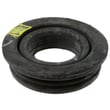
- Dishwasher drain hose WD24X10062 (cracked, kinked, internally restricted)
- Dishwasher drain pump WD19X25461 (weak pump, jammed impeller)
- GE dishwasher pressure sensor WD21X25468 (incorrect water level or drain feedback)
| What you notice | Most likely cause | What to do |
|---|---|---|
| Standing water after cycle | Clog in sump/filter or hose | Clean sump/filter; inspect hose path |
| Loud humming during drain | Pump jam or failing | Clear obstruction; consider pump replacement |
| Drains sometimes, not always | Partial restriction or intermittent pump | Check hose and sink/disposer connection |
| Error appears early in cycle | Water level sensing issue | Inspect for clogs; consider pressure sensor |
FTD is a protection-style alert: when draining is too slow, water can remain in the tub, reduce cleaning performance, and lead to odors. Restoring proper drain flow usually clears the error and prevents repeat shutdowns.
For additional model-relevant troubleshooting, use our GE electronic dishwasher error codes guide to interpret related drain and fill codes.
Last updated: February 2026





