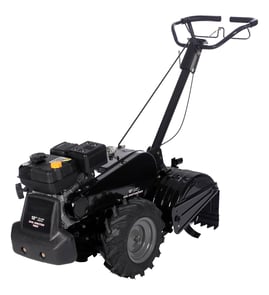
Can a rear tine tiller cut through roots?
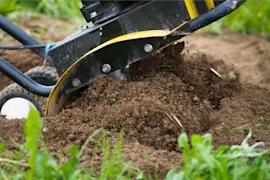
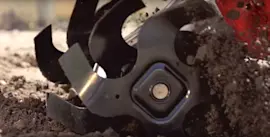
Yes. A rear-tine tiller like the MTD 21A-430-000 can chew through small, shallow roots while you’re tilling, especially in previously worked soil. For thick, woody roots, we recommend cutting and removing them first; forcing the tines through can damage belts, tines, or the transmission.
What roots it can handle (typical)
Rear-tine tillers are built for tougher ground than front-tine models, but roots still vary a lot by species and moisture.
- Fine feeder roots: tills through easily
- Small roots (about pencil-size): usually manageable with slow passes
- Thicker roots: cut with loppers or a saw first, then till the loosened soil
- Surface roots: rake and remove what you can before tilling
- Wet, stringy roots: tend to wrap around tines and shafts faster
| Root type | What usually happens | Best approach |
|---|---|---|
| Fine, shallow roots | Breaks up and mixes into soil | Normal tilling pass |
| Small woody roots | May chop, may snag | Multiple shallow passes |
| Thick woody roots | Binds or stops tines | Cut and remove first |
How to till rooty ground without damaging the tiller
- Make shallow passes first, then increase depth gradually.
- Work in short sections so you can clear wrapped debris often.
- If the tines start bouncing or the engine bogs, back off and reduce depth.
- Clear wrapped roots with the engine off and the spark plug wire disconnected.
- Inspect for wear after the job: bent tines, loose hardware, frayed belts, or oil leaks.
Why it matters
Roots can act like rope around rotating parts. Clearing and stepping down depth protects key wear items (tines, belts, seals) and keeps your MTD 21A-430-000 tilling smoothly instead of overheating or stalling.
For help identifying the exact model number before ordering replacement parts, use how to find your appliance model number (and what it means for parts).
Last updated: February 2026
Are rear tine tillers better?
Rear-tine tillers are better when you need deeper tilling and faster coverage in larger, open garden areas; for the MTD 21A-430-000 rear-tine tiller, that typically means easier soil breakup and steadier traction than a front-tine design, with the tradeoff of higher cost and less precision in tight beds.
Rear-tine vs front-tine: what “better” means
Rear-tine tillers usually win on power delivery and control because the tines are behind the wheels, so the machine can pull itself forward while digging.
- Better for deep tilling and first-time ground breaking
- Better for larger plots and long rows
- More stable in harder soil because the wheels help control forward motion
- Less nimble around edging, narrow beds, and close plantings
- Typically heavier, which helps bite into soil but makes transport harder
Quick comparison
| Feature | Rear-tine tiller (like MTD 21A-430-000) | Front-tine tiller |
|---|---|---|
| Best use | Large gardens, tougher soil | Small gardens, lighter soil |
| Depth capability | Deeper typical tilling | Shallower typical tilling |
| Handling | Tracks straighter | Turns easier in tight spots |
| Cost | Higher typical cost | Lower typical cost |
How to choose for your yard
Use these practical checks before you commit to a rear-tine machine or parts investment:
- Garden size: If you routinely till long rows or a big plot, rear-tine is the better fit.
- Soil condition: Clay, compacted soil, and sod benefit from the extra traction and weight.
- Bed precision: If you need to weave between plants, a smaller front-tine can be easier.
- Transport/storage: Rear-tine units are heavier; plan for ramps, a shed, or transport wheels.
- Maintenance comfort: Heavier-duty drivetrains mean you will want to stay on top of belts, tines, and fasteners.
Why it matters
Choosing the right tiller style affects soil texture, how evenly you can mix compost, and how much physical effort it takes to keep the machine tracking straight. Rear-tine designs generally reduce “skipping” and bouncing in hard ground, which helps you get consistent till depth.
For help identifying the exact model number format you should use when ordering parts, use how to find your appliance model number (and what it means for parts).
Last updated: February 2026
Is the 21A-430-000 a good tiller?
Yes; the MTD 21A-430-000 rear-tine tiller is a solid choice for typical home-garden soil prep when it’s in good mechanical condition and matched to your yard size. “Good” mainly comes down to tine engagement, engine health, and whether the transmission and belts drive smoothly under load.
What “good” looks like on a rear-tine tiller
A rear-tine tiller earns its keep when it can pull itself forward consistently and break soil without constant fighting at the handlebars.
- Starts easily (cold and warm) and idles without surging
- Tines engage quickly and keep turning in hard soil
- Forward drive does not slip, chatter, or stall
- Handles do not shake excessively (normal vibration is expected)
- Depth stake holds position and the tiller maintains depth
- No gear oil leaks around the transmission case
Quick checklist before you decide
These checks tell you more than brand reputation alone.
| Check | What you want | What it usually means if it fails |
|---|---|---|
| Drive/tine engagement | Immediate, strong pull | Worn belt, idler issue, linkage out of adjustment |
| Engine power under load | No bogging in moderate soil | Dirty carb, old fuel, clogged air filter |
| Transmission noise | Smooth, steady sound | Worn bearings/gears or low/contaminated oil |
| Tines condition | Edges not rounded off | Worn tines reduce digging and increase bouncing |
Why it matters
Rear-tine tillers like the MTD 21A-430-000 are built to do heavier work than many front-tine units, but performance drops fast when wear items (belts, tines, cables) are neglected. A “good tiller” is one that still transfers engine power to the tines and wheels efficiently.
Finding the right parts to keep it running well
Use the parts diagrams for model 21A-430-000 to match what you see on your machine (tines, belts, pulleys, cables, seals) and order the correct replacement.
- Confirm the model tag reads 21A-430-000 exactly
- Compare your assembly to the diagram (especially belt routing and idlers)
- Replace wear items in sets when practical (for example, matched belts)
- Use fresh fuel and stabilize fuel for storage
For help locating the correct diagram and part listing, start with how to find your appliance model number (and what it means for parts) and then search by model on Sears PartsDirect.
Last updated: February 2026