Owner’s manual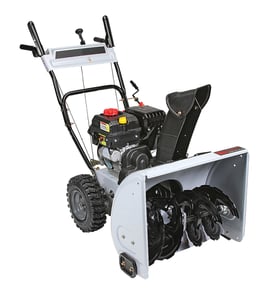




What is the typical lifespan of a gas snowblower?
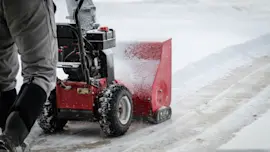
A gas snowblower typically lasts 10 to 15 years with normal residential use and basic maintenance. For a Snapper snow thrower like model 1695313, consistent upkeep (oil changes, correct adjustments, and off-season storage) commonly pushes service life toward the upper end of that range.
What most affects lifespan
- Maintenance frequency: oil changes, lubrication, and periodic checks
- Fuel care: fresh fuel, clean carburetor, proper storage practices
- Drive system wear: belts, idlers, friction components, and cables
- Operating conditions: heavy, wet snow and gravel driveways increase wear
- Storage environment: moisture and corrosion shorten life
Maintenance habits that extend life
Your manual calls out routine checks and adjustments, plus lubrication points. Use the 1695313 owner’s manual as your baseline schedule.
- Check adjustments after early use; many models call for a check after the first few hours
- Keep the auger and drive systems properly adjusted (prevents belt slip and overheating)
- Lubricate key points (auger shaft, drive components, wheel areas) on a regular schedule
- Replace worn wear-items before they damage other parts
- Clear clogs safely using a tool, not hands (reduces damage and injury risk)
Common “wear items” and what they do
| Part type | What it affects | Typical symptom when worn |
|---|---|---|
| Traction/ground drive belt | Self-propel/drive | Slipping, weak drive, no movement |
| Idler and springs | Belt tension | Belt squeal, inconsistent engagement |
| Bearings | Smooth rotation | Grinding noise, wobble, drag |
| Cables/spools | Control response | Poor engagement, hard-to-adjust controls |
If your snowblower starts slipping or losing drive, the snowblower ground drive belt 1733324SM is a common replacement item on this model.
Why it matters
A snowblower’s lifespan is mostly determined by how well the drive and auger systems stay adjusted, lubricated, and protected from corrosion. Staying ahead of belt wear and lubrication prevents bigger failures and keeps performance consistent in heavy snow.
Last updated: January 2026
What happens if you don't drain gas from a snowblower?
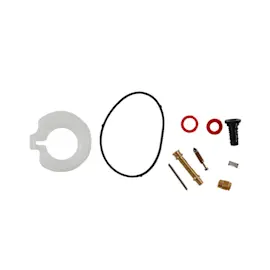
If you do not drain gas (or stabilize it) before storing your Snapper snow thrower model 1695313, the fuel can break down and leave varnish and sludge that clog the carburetor and fuel lines, leading to hard starting, rough running, or a no-start condition next season. Follow the storage steps in the 1695313 owner's manual.
What old gas can do (common symptoms)
- Engine will not start after storage
- Starts only with choke, then stalls
- Surges or runs unevenly at idle
- Strong stale-fuel odor from the tank
- Fuel system needs cleaning or carburetor service
Safe way to drain fuel on model 1695313
Gasoline is highly flammable, so we follow the safety guidance in the manual.
- Drain gasoline outdoors
- Let the engine cool; never drain fuel when the engine is hot
- Keep away from flames, smoking, or sparks
- Avoid overfilling and wipe up spills immediately
- Disconnect the spark plug wire before service work
Storage options: drain vs. stabilize
| Option | Best for | What you do | Result |
|---|---|---|---|
| Drain the tank and run the carburetor dry | Long off-season storage | Remove fuel safely; run until it quits | Minimizes varnish and gum |
| Add fuel stabilizer and run it through | Shorter storage or frequent use | Treat fresh gas; run engine to circulate | Slows fuel breakdown |
Why it matters
Old fuel is one of the most common reasons a snowblower will not start after sitting. Preventing deposits protects the carburetor, keeps starting easier, and reduces downtime when you need the machine.
Related maintenance that helps starting
- Change engine oil before storage (or at the start of the season)
- Check the spark plug condition and gap
- Inspect belts and cables for wear and correct adjustment
Last updated: January 2026
Is a 2 stage or 3 stage snowblower better?
A 3-stage snowblower is better for the toughest conditions because it adds an accelerator that helps chew through deep, heavy, plowed-in, or icy snow faster than a 2-stage design. For most homeowners, a 2-stage machine is the best value and clears typical driveway snow very effectively. For operating and safety guidance on your Snapper 1695313, use the 1695313 owner's manual.
Quick comparison: 2-stage vs 3-stage
| Feature | 2-stage snowblower | 3-stage snowblower |
|---|---|---|
| Snow handling | Great for most snowfalls, including heavy snow | Best for extreme depth, wet snow, and plow-packed berms |
| Clearing speed | Fast | Typically faster in very deep or dense snow |
| Complexity | Fewer moving parts | More moving parts and adjustments |
| Size and cost | Usually smaller and less expensive | Usually larger and more expensive |
How we recommend choosing
- Choose 2-stage if you clear a typical driveway or sidewalk and want strong performance with simpler maintenance.
- Choose 3-stage if you regularly deal with deep drifts, wet heavy snow, or plowed-in end-of-driveway piles.
- If storage space matters, 2-stage models are often easier to store and maneuver.
- If you want fewer wear items to service, 2-stage is usually the simpler design.
- If you already own a 2-stage and it struggles, check setup and traction first (skid shoe height, drive engagement, chute adjustment) before upgrading.
Why it matters
A snowblower that matches your conditions clears faster, clogs less, and puts less strain on the drive system. Even a powerful machine performs poorly if controls are out of adjustment or safety checks are skipped.
Helpful operating and maintenance reminders (applies to Snapper 1695313)
The manual emphasizes basic pre-use checks and control function checks that help any 2-stage style snow thrower perform its best:
- Confirm guards and hardware are secure (nuts, bolts, clips).
- Verify the traction drive stops when you release the traction control.
- Verify the auger stops within a few seconds after releasing the auger control.
- Set skid shoes to the height you want for your surface.
- Make sure the chute rotates freely and the deflector pivots smoothly.
If you are troubleshooting slow movement or poor traction on a 2-stage unit, a worn drive belt is a common cause; the ground drive belt 1733324SM is one of the model-specific wear parts for this snowblower.
Last updated: January 2026
Is it cheaper to repair or replace a snowblower?
For the Snapper snow thrower model 1695313, repairing is cheaper when the problem is a normal wear item (belt, cable adjustment, lubrication, or small hardware). Replacing is the better value when the repair total reaches about 50% of the cost of a comparable new snowblower, or when major engine or drivetrain failures keep returning.
Quick decision checklist
- Repair when it starts and runs well but slips, won’t move, or won’t throw snow.
- Repair when the fix is an adjustment or maintenance step in the 1695313 owner’s manual.
- Repair when you’re replacing a common wear part like a belt or idler.
- Replace when the engine has persistent internal problems (knocking, heavy smoke, low power).
- Replace when housings or drivetrain parts are badly rusted, bent, or repeatedly failing.
Typical cost comparison (rule of thumb)
| Situation | What’s usually involved | Best value |
|---|---|---|
| Drive slips or won’t move | Belt and idler inspection, cable adjustment | Repair |
| Won’t discharge snow | Auger belt tension check, belt replacement | Repair |
| Routine upkeep | Oil change, spark plug, lubrication | Repair |
| Major engine repair | Internal engine work or replacement | Replace |
Model-specific “repair-first” examples
The manual for model 1695313 calls out belt checks, belt deflection, and belt replacement as normal service items.
- If it won’t throw snow, check control cable adjustment, then inspect auger belt condition and tension per the 1695313 owner’s manual.
- If traction drive is slipping, replacing the drive belt is a common fix; use the correct part such as the snowblower ground drive belt 1733324SM.
- If belt tension won’t hold, inspect the idler and related hardware; a worn idler 1502120MA can cause slipping and repeat belt wear.
Why it matters
Most “replace it” symptoms on a snowblower are actually belt, idler, or adjustment issues. Fixing those restores drive speed and throwing performance for far less than buying a new machine.
Last updated: January 2026